
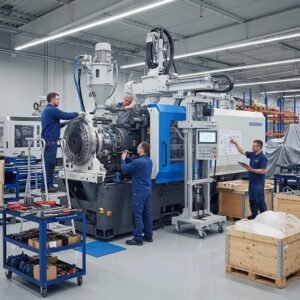
Plastic Machine Delivery and Logistics to Nigeria
Plastic Machine Deli
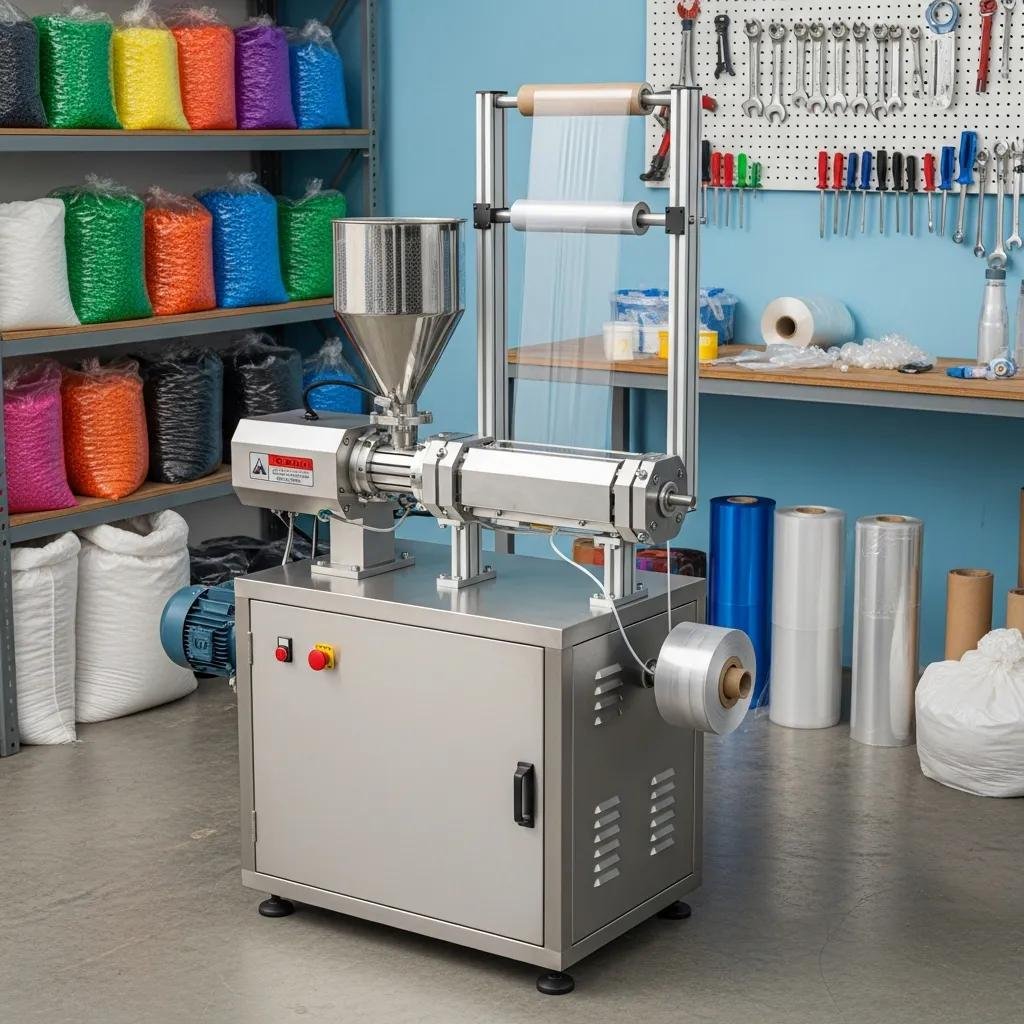
The compact mini blown film extruder is a pivotal machine in the realm of small-scale plastic film production, particularly in Nigeria. This guide aims to provide a comprehensive overview of its functionality, benefits, specifications, maintenance, and purchasing options. Readers will gain insights into how this technology can enhance production efficiency and quality in the local market.
Many small manufacturers face challenges in scaling their operations while maintaining quality and cost-effectiveness. The compact mini blown film extruder offers a solution by enabling efficient production of high-quality plastic films. This article will explore the workings of the extruder, its advantages, operational guidelines, maintenance tips, pricing, and frequently asked questions.
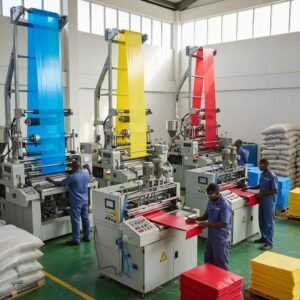
A compact mini blown film extruder is a specialized machine designed for producing plastic films through a process known as blown film extrusion. This technology involves melting plastic pellets and forming them into a continuous tube, which is then inflated to create a thin film. The process is efficient and allows for the production of various film types, including those used in packaging and agricultural applications. The compact design of these machines makes them ideal for small-scale operations, where space and budget constraints are significant.
Mini film extrusion technology utilizes a combination of heat and pressure to melt plastic materials, which are then forced through a die to form a film. The cooling system plays a crucial role in solidifying the film as it is extruded. This technology differs from traditional methods by offering a more compact and energy-efficient solution, making it suitable for small manufacturers looking to optimize their production processes.
Understanding these components is essential for operators to ensure optimal performance and maintenance of the equipment.
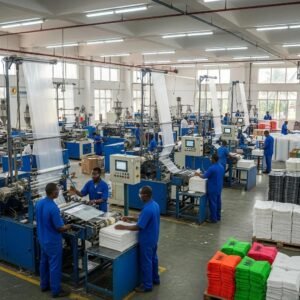
Utilizing a compact blown film machine offers several advantages for small-scale manufacturers. These machines are designed to be cost-effective, space-saving, and user-friendly, making them ideal for local production environments.
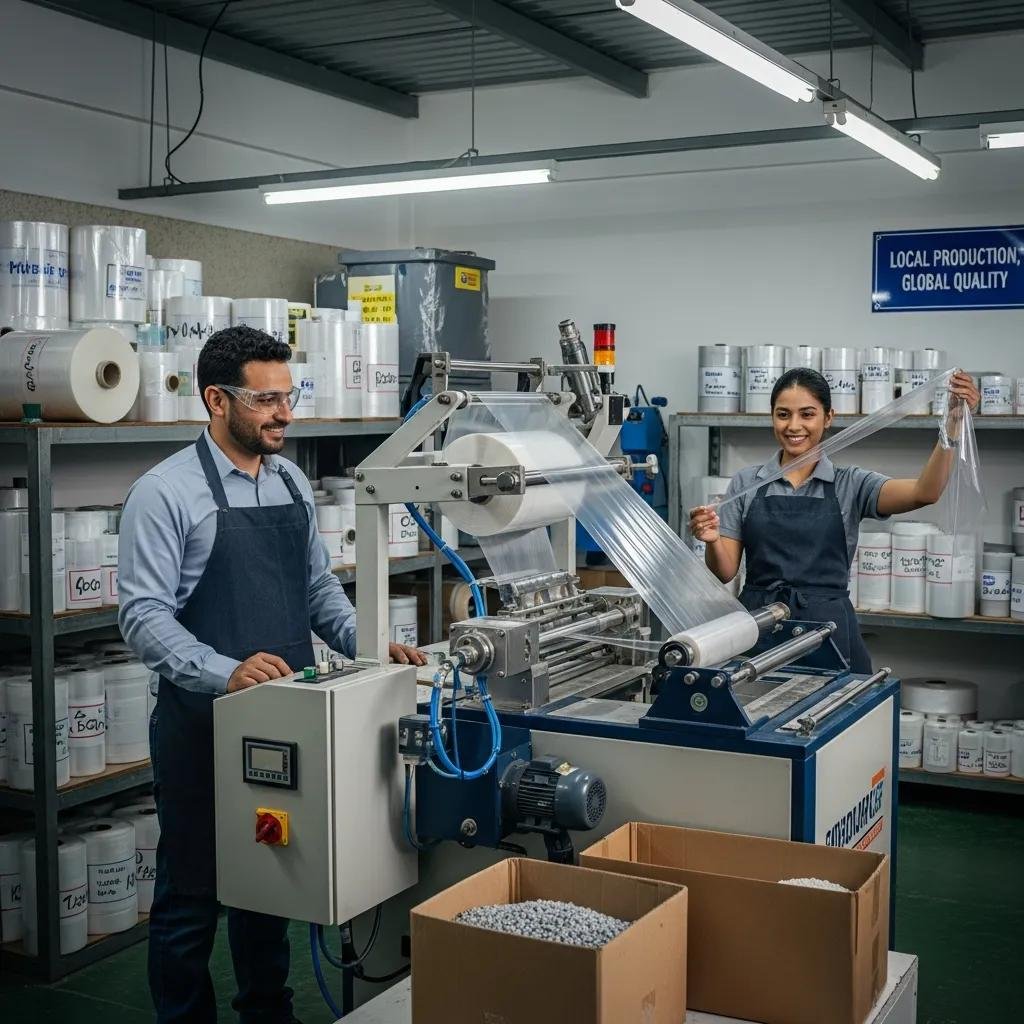
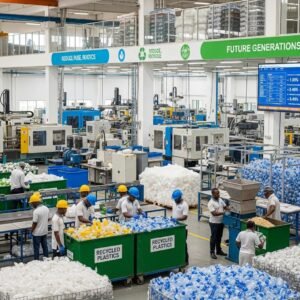
In Nigeria, the demand for locally produced plastic films is on the rise. Compact blown film machines cater to this demand by providing manufacturers with the ability to produce high-quality films at lower costs. The local production capabilities reduce reliance on imports, thus enhancing the economy and creating job opportunities. Additionally, these machines support the circular economy by enabling the use of recycled plastics in film production.
Laboratory film blowing extruders play a vital role in research and development by allowing manufacturers to test new materials and film formulations. These machines enable the prototyping of new products, which is essential for innovation in the plastic film industry. By experimenting with different materials, manufacturers can develop films that meet specific market needs.
Understanding the specifications and operational guidelines for mini blown film extruders is crucial for effective use and maintenance.
Mini blown film extruders typically have compact dimensions, making them suitable for small workshops. Power consumption varies based on the model, but many are designed to be energy-efficient. The extrusion capacity can range from approximately 5 to 50 kilograms per hour, depending on the machine’s specifications.
The film thickness produced by mini blown film extruders can vary significantly, typically ranging from 15 to 150 microns. Quality control measures, such as regular inspections and testing, are essential to ensure that the films meet industry standards. Implementing strict quality control processes helps maintain the integrity and usability of the produced films.
Regular maintenance and troubleshooting are vital for the longevity and performance of compact mini blown film extruders.
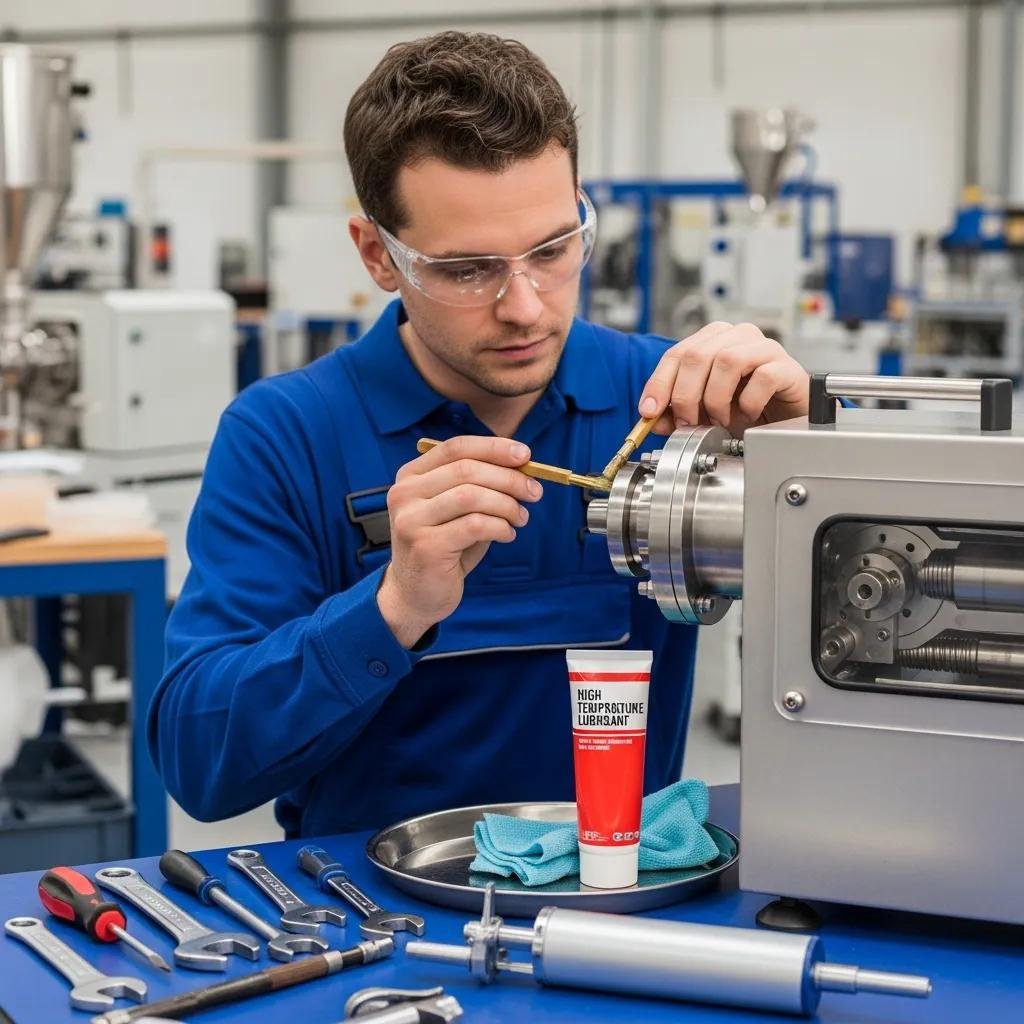
Common issues that may arise include inconsistent film thickness and machine jams. Troubleshooting these problems often involves checking the temperature settings, ensuring proper material feed, and inspecting the cooling system for blockages. Addressing these issues promptly can prevent costly downtime.
When considering the purchase of a compact mini blown film extruder, understanding the pricing and available options is essential.
The price of compact mini blown film extruders can vary widely based on features and specifications. Generally, prices range from approximately $7,000 to $25,000, depending on the machine’s capacity, brand, and technology. Investing in a compact blown film machine can be cost-effective for small manufacturers, as it allows for significant savings on production costs over time.
In Nigeria, several reputable suppliers offer compact mini blown film extruders, including China Evergreen Machinery Co Ltd, a specialized manufacturer and supplier of plastic film and bag manufacturing machines. After-sales support services are crucial for ensuring that manufacturers can maintain their equipment effectively and receive assistance when needed.
Addressing common questions can help users better understand mini blown film extrusion and its applications.
Mini blown film extrusion is a process used to create thin plastic films for various applications, including packaging, agriculture, and industrial uses. The versatility of the films produced makes this technology valuable across multiple sectors.
Operating a small film blowing machine involves several steps, including setting the temperature, feeding the plastic material, and monitoring the extrusion process. Regular maintenance, as previously discussed, is essential for ensuring the machine operates efficiently and produces high-quality films.
Plastic Machine Deli
Comprehensive Guide
Plastic Machine Succ
Find Plastic Machine