Innovations in Blown Film Extrusion Technology
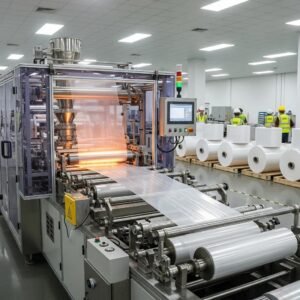
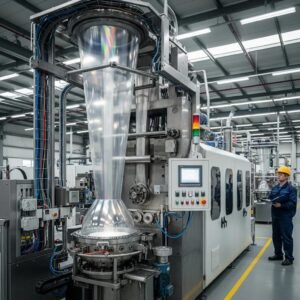
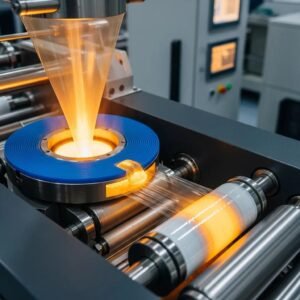
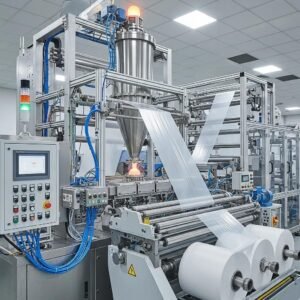
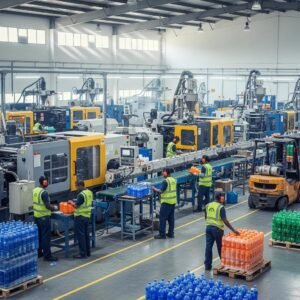
The blown film extrusion industry is constantly evolving, with new technologies emerging to enhance production efficiency and product quality. Innovations such as advanced control systems, improved materials, and energy-saving processes are revolutionizing how manufacturers operate. These advancements not only streamline production but also contribute to sustainability efforts by reducing waste and energy consumption.
For instance, recent developments in multilayer film technology allow for better barrier properties and product durability, catering to the growing demand for high-performance packaging solutions. Additionally, innovations in automation and real-time monitoring systems enable manufacturers to optimize their operations, leading to increased output and reduced downtime.
Operational Guidelines for Film Blowing Machines
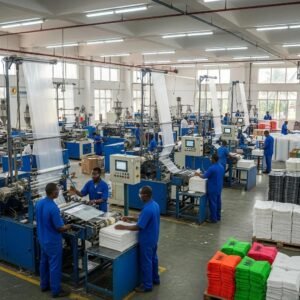
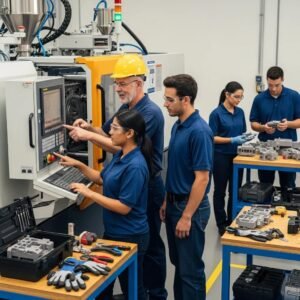
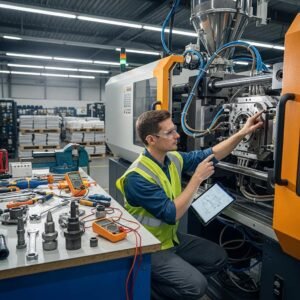
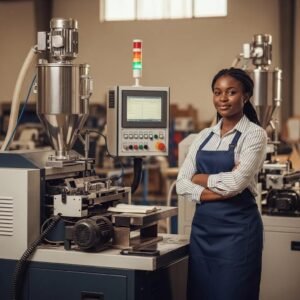
Understanding the operational guidelines for film blowing machines is crucial for maximizing productivity and ensuring safety in the workplace. Proper training on machine operation, maintenance, and troubleshooting can significantly enhance the efficiency of production lines. Operators should be well-versed in the specific settings and adjustments required for different materials and film thicknesses.
Moreover, implementing a regular maintenance schedule is essential to prevent unexpected breakdowns and prolong the lifespan of the machinery. This includes routine checks of critical components, lubrication, and calibration to ensure optimal performance. Knowledge of these operational guidelines not only improves output but also fosters a safer working environment.
Benefits of Flexible Packaging in Modern Industry
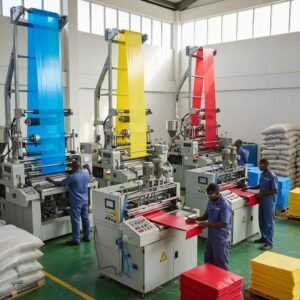
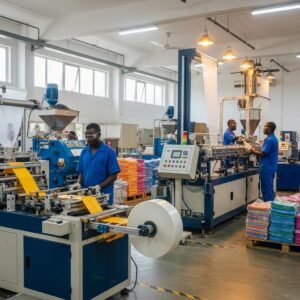
Flexible packaging has gained popularity in various industries due to its numerous advantages over traditional packaging methods. It offers lightweight, durable, and cost-effective solutions that meet the demands of both manufacturers and consumers. The versatility of flexible packaging allows for a wide range of applications, from food products to medical supplies, making it an essential component in modern manufacturing.
Additionally, flexible packaging contributes to sustainability efforts by using less material compared to rigid packaging options, resulting in lower transportation costs and reduced carbon footprints. Recent trends indicate a growing consumer preference for eco-friendly packaging solutions, prompting manufacturers to invest in sustainable materials and processes that align with these values.
Future Trends in Plastic Machinery Manufacturing
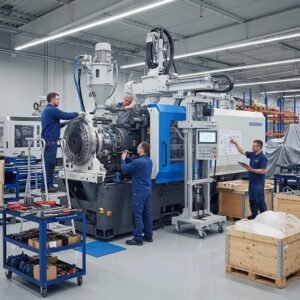
The future of plastic machinery manufacturing is poised for significant transformation, driven by technological advancements and changing market demands. Key trends include the integration of artificial intelligence and machine learning to enhance operational efficiency and predictive maintenance. These technologies enable manufacturers to analyze data in real-time, leading to smarter decision-making and improved production outcomes.
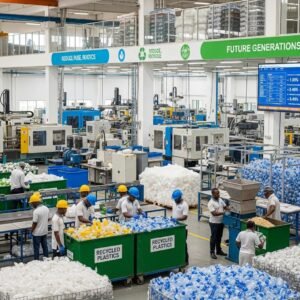
Furthermore, the shift towards sustainable practices is influencing the design and functionality of plastic machinery. Manufacturers are increasingly focusing on developing equipment that minimizes waste and energy consumption, aligning with global sustainability goals. As the industry evolves, staying ahead of these trends will be crucial for companies looking to maintain a competitive edge in the marketplace.