
Plastic Machine Delivery and Logistics to Nigeria
Plastic Machine Deli
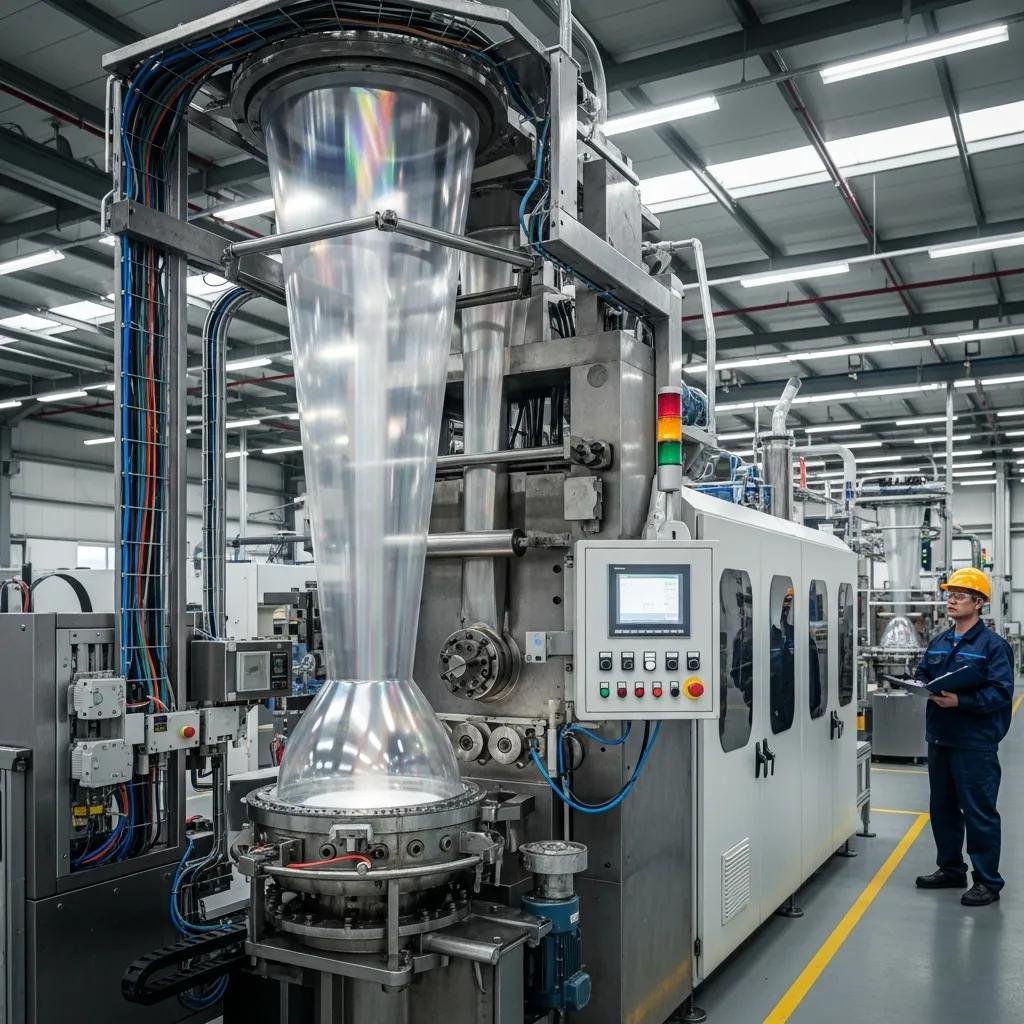
Blown film extrusion is a critical process in the production of plastic films, yet it often presents various challenges that can affect the quality of the final product. This guide aims to provide a comprehensive overview of common blown film defects, their causes, and effective troubleshooting methods. Understanding these issues is essential for manufacturers to maintain high standards in film quality and production efficiency. Throughout this article, we will explore the intricacies of blown film extrusion problems, including bubble instability, gauge variation, wrinkles, and more. By addressing these challenges, manufacturers can enhance their production processes and ensure optimal film quality.
Blown film extrusion can lead to several defects that compromise the quality of the film produced. Identifying these defects and understanding their causes is crucial for effective troubleshooting.
| Defect | Cause | Solution |
|---|---|---|
| Bubble Instability | Inconsistent airflow, improper frost line height, or temperature variations | Adjust air ring, control frost line height, and monitor temperature settings |
| Gauge Variation | Uneven die gap, unstable bubble, or improper cooling | Regularly calibrate the die and cooling system, stabilize bubble |
| Wrinkles | Incorrect nip roll settings, film tension, or collapsing frame misalignment | Optimize nip roll pressure, adjust tension settings, and align collapsing frame |
Bubble instability is a significant defect in blown film extrusion that can lead to uneven film thickness and poor optical properties. This instability often arises from inconsistent airflow, improper frost line height, or temperature fluctuations within the air ring. When the bubble is not stable, it can cause variations in film thickness, leading to defects in the final product. To mitigate this issue, manufacturers should ensure that the air ring is properly adjusted, the frost line height is controlled, and temperature settings are consistently monitored.
Gauge variation refers to the inconsistency in film thickness, which can result from an uneven die gap, unstable bubble, or improper cooling. Identifying gauge variation is essential for maintaining product quality. Manufacturers can use diagnostic tools to measure film thickness at various points and ensure that the die is calibrated correctly. Regular maintenance of the cooling system and stabilizing the bubble are also crucial to prevent this defect from occurring.
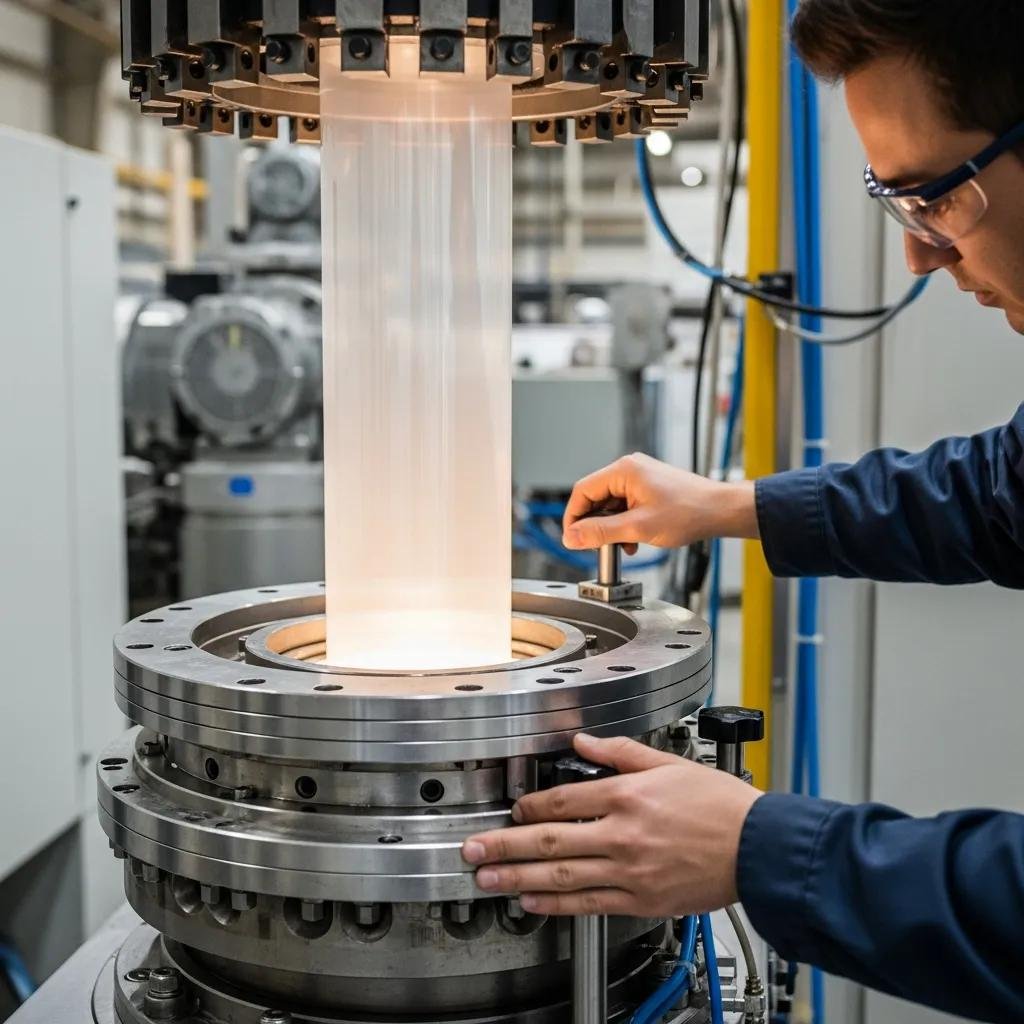
Troubleshooting bubble instability requires a systematic approach to identify and rectify the underlying causes. By implementing specific adjustments, manufacturers can enhance bubble stability and improve film quality.
To improve air ring and bubble stability, manufacturers can follow these steps:
These adjustments can significantly enhance the stability of the bubble, leading to improved film quality.
Resin selection plays a crucial role in bubble behavior and film consistency. Different types of resins can affect the viscosity and flow characteristics of the melt, which in turn influences bubble stability. For instance, using a resin with a higher melt flow index can lead to easier processing but may reduce bubble stability if not properly managed. Manufacturers should carefully consider resin properties such as melt flow index, molecular weight distribution, and thermal stability when selecting materials for blown film extrusion to ensure optimal performance.
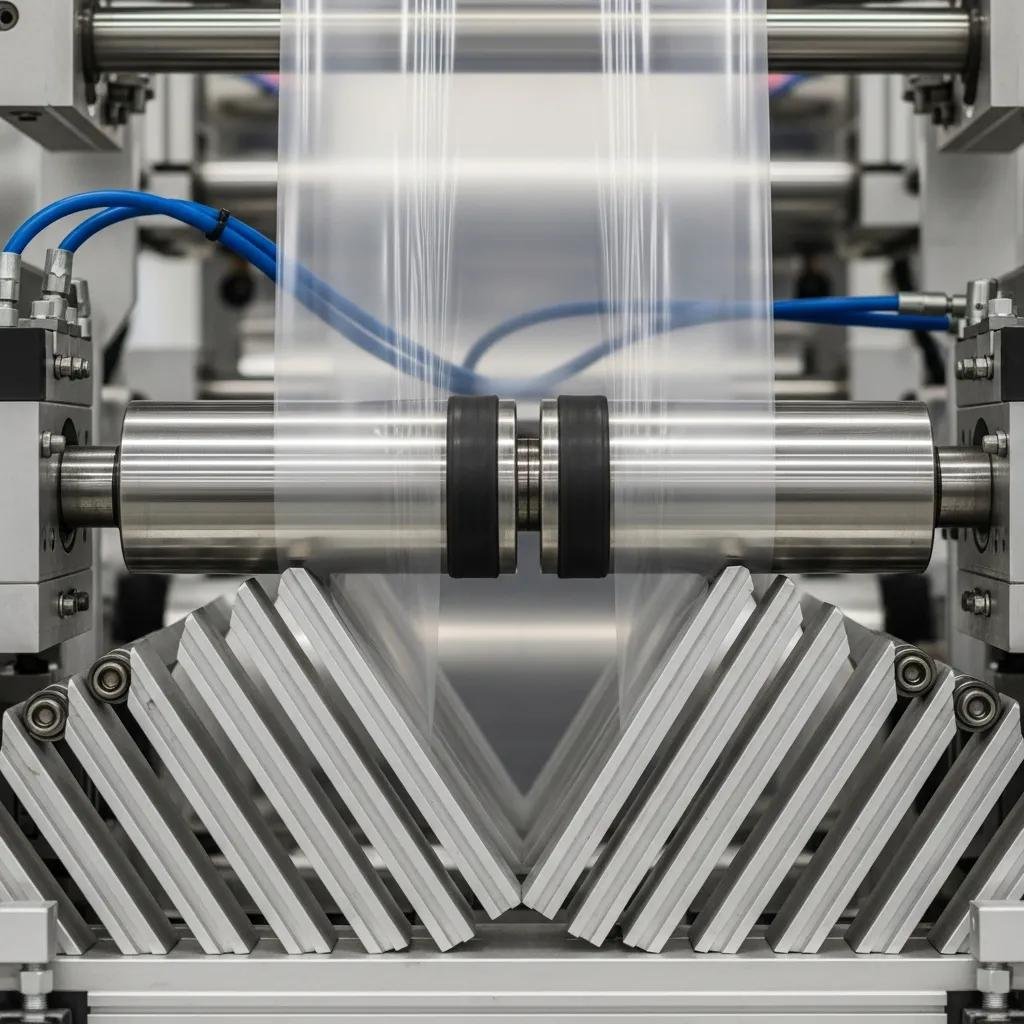
Wrinkles and creases in plastic film can significantly impact its usability and aesthetic appeal. Implementing best practices can help prevent and correct these defects.
Adjusting the nip roll and collapsing frame settings can effectively reduce wrinkles in the film. Proper nip roll pressure ensures that the film is adequately flattened during the cooling process, while the collapsing frame helps maintain the film’s shape as it exits the die. Regularly checking and adjusting these components can lead to a smoother film surface and improved quality.
Several process parameters can influence wrinkle formation, including:
By optimizing these parameters, manufacturers can minimize the risk of wrinkles and ensure a high-quality product.
Melt fracture and film blocking are common issues in blown film extrusion that can lead to production delays and quality concerns. Diagnosing and resolving these problems is essential for maintaining efficiency.
Melt fracture occurs when the melt flow is disrupted, often due to high shear rates, improper die design, or temperature fluctuations. To address this issue, manufacturers should:
These adjustments can help reduce the occurrence of melt fracture and improve film quality.
Proper cooling and winding tension are critical in preventing film blocking and adhesion issues. Cooling the film uniformly helps solidify it without causing stress, while appropriate winding tension ensures that the film is wound tightly without sticking to itself. Manufacturers should monitor these parameters closely to avoid production issues.
Maintaining extruder motor performance is vital for ensuring smooth operation during film production. Overloading the motor can lead to equipment failure and production downtime.
Common causes of motor overload include:
To monitor motor performance, manufacturers should implement regular checks on motor temperature and load levels, ensuring they remain within safe operating limits.
To ensure optimal motor function and longevity, manufacturers should:
These maintenance procedures can help prevent motor overload and extend the lifespan of the equipment.
The selection of resin and the alignment of the air ring are critical factors that influence the overall quality of the film produced.
Different resins can significantly affect the transparency and strength of the film. For example, low-density polyethylene (LDPE) offers good clarity and flexibility, while high-density polyethylene (HDPE) provides higher strength and stiffness but lower clarity. Linear low-density polyethylene (LLDPE) combines strength and flexibility with moderate clarity. Manufacturers should choose resins based on the desired properties of the final product to achieve optimal results.
To ensure quality control, manufacturers should perform regular checks on air ring centering and airflow uniformity. This can be done by:
These checks are essential for maintaining consistent film quality and preventing defects during production.
Plastic Machine Deli
Comprehensive Guide
Plastic Machine Succ
Find Plastic Machine