
Plastic Machine Delivery and Logistics to Nigeria
Plastic Machine Deli
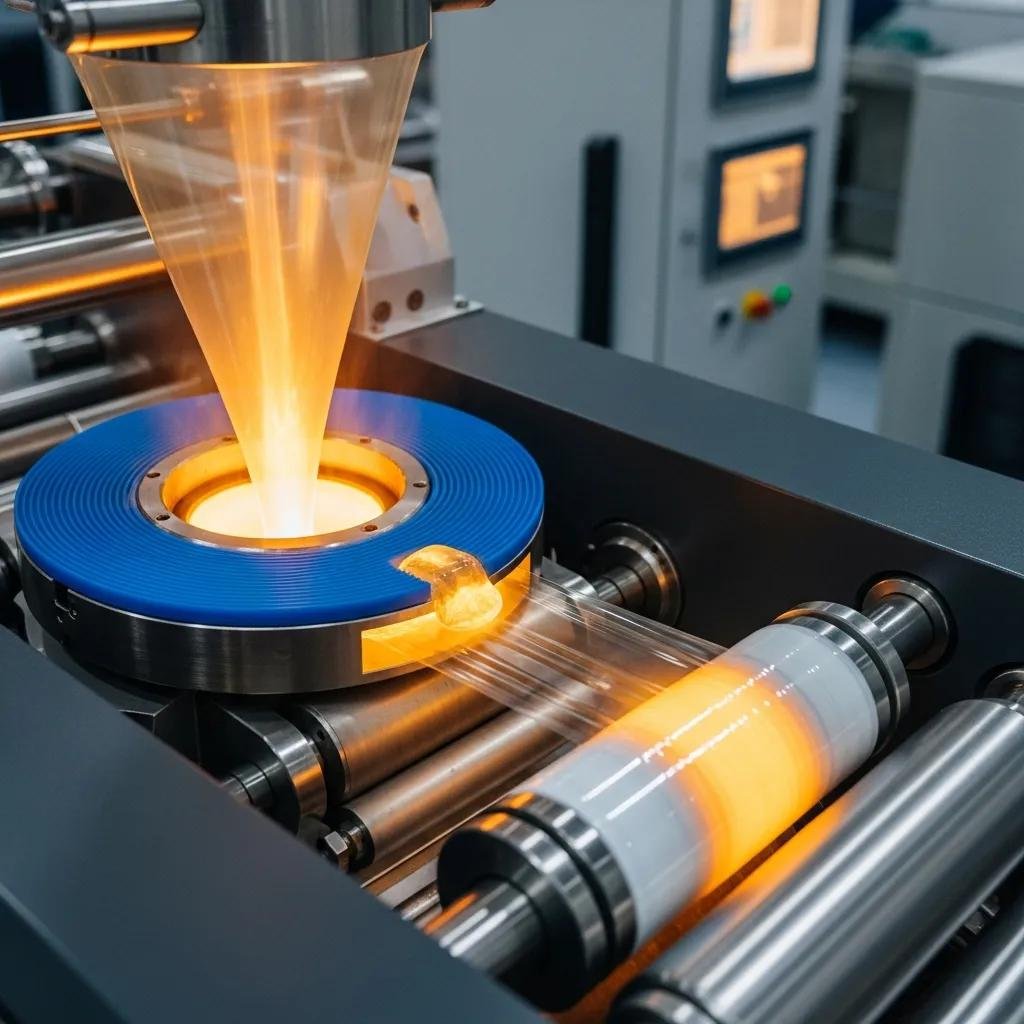
The blown film extrusion process is a pivotal technique in the production of plastic films, widely utilized across various industries. This comprehensive guide will delve into the intricacies of the blown film extrusion process, highlighting its key steps, equipment components, and the types of machines available. Readers will gain insights into how this process works, the materials involved, and the applications of blown film technology. Many manufacturers face challenges in optimizing their production processes and ensuring high-quality output. Understanding the blown film extrusion process provides a solution to these challenges, enabling businesses to enhance efficiency and product quality. This article will cover the essential steps in the process, the components of the machinery, the types of machines available, the materials used, and the applications and advantages of blown film technology.
The blown film extrusion process involves several critical steps that transform raw materials into finished plastic films. This process begins with material feeding and melting, followed by bubble inflation and film cooling, and concludes with the final winding of the film. Each step plays a vital role in ensuring the quality and characteristics of the final product.
Material feeding and melting are the initial steps in the blown film extrusion process. The process begins with the introduction of plastic pellets, typically made from polyethylene or polypropylene, into the extruder. The extruder then heats these materials to their melting point, allowing them to flow smoothly. Temperature control is crucial during this phase, as it affects the viscosity and flow characteristics of the molten polymer. Proper melting ensures that the material can be uniformly processed, leading to consistent film quality.
Once the material is melted, it is forced through a die head, forming a thin tube of molten plastic. This tube is then inflated with air, creating a bubble that expands to the desired diameter. The inflation process is critical, as it determines the thickness and uniformity of the film. After inflation, the film is cooled using air rings to solidify it. Effective cooling is essential to maintain the film’s properties and prevent defects, ensuring a high-quality end product.
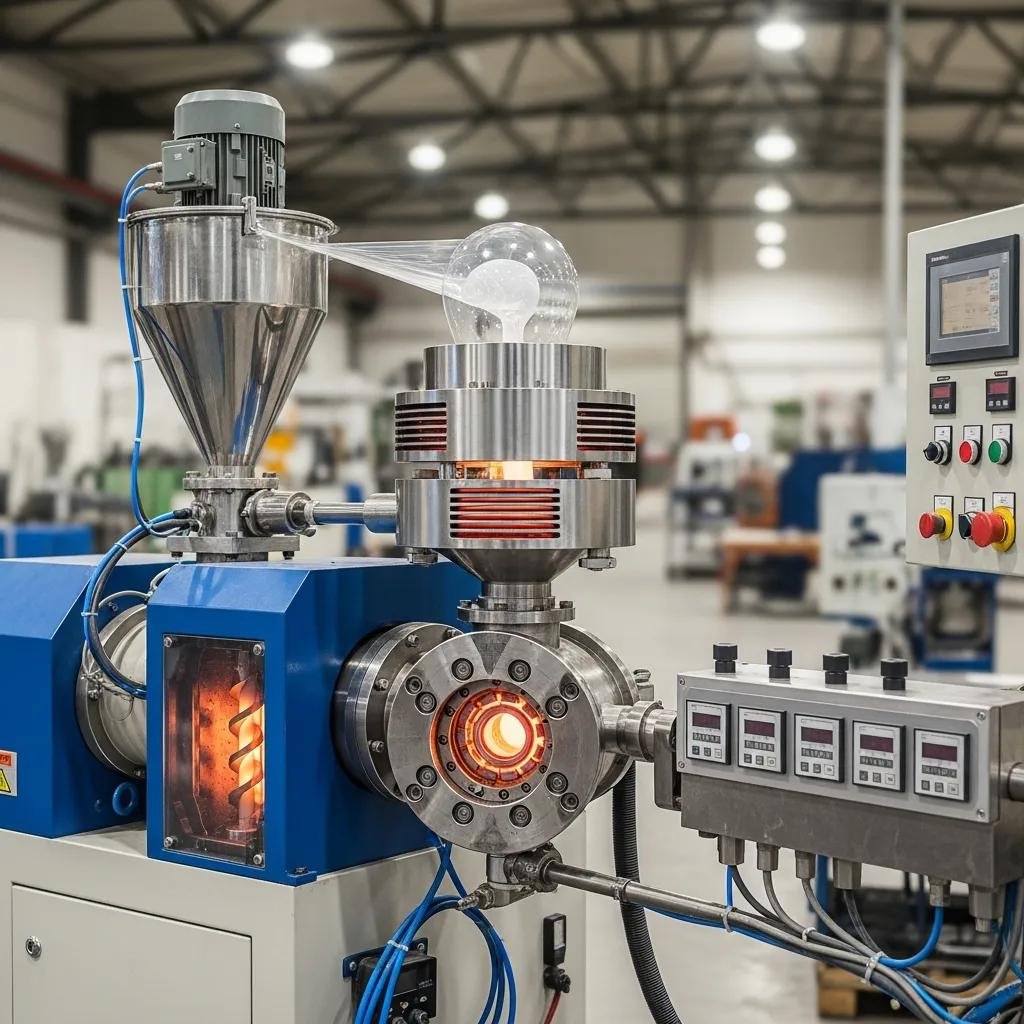
Blown film extrusion equipment consists of several key components that work together to produce plastic films. Understanding these components is essential for optimizing the extrusion process and ensuring high-quality output.
The extruder is the heart of the blown film extrusion system, responsible for melting and conveying the plastic material. It consists of a screw that rotates within a heated barrel, facilitating the melting process. The die head shapes the molten polymer into a tube, which is then inflated. The design of the die head significantly impacts the film’s characteristics, including thickness and width, making it a critical component in the extrusion process.
Air rings, nip rollers, and winders are essential supporting components in the blown film extrusion line. Air rings cool the inflated film, ensuring it retains its shape and properties. Nip rollers help in flattening the film and controlling its thickness as it exits the bubble. Finally, winders collect the finished film, allowing for easy handling and storage. Each of these components plays a vital role in ensuring the efficiency and quality of the blown film extrusion process.
Blown film machines come in various configurations, each designed to meet specific production needs. Understanding the differences between these machines is crucial for manufacturers looking to optimize their production processes.
Single-layer blown film machines produce films with a single layer of material, making them suitable for basic applications. In contrast, multi-layer blown film machines can produce films with multiple layers, allowing for enhanced properties such as barrier protection and strength. Multi-layer machines are often preferred for applications requiring specific film characteristics, such as food packaging or industrial uses.
Specialized blown film machines are designed for producing shrink films and hot-melt films, which have unique properties and applications. Shrink films are commonly used in packaging, as they conform tightly to products when heat is applied. Hot-melt films, on the other hand, are designed to have adhesive properties activated by heat, making them suitable for lamination and coating applications. Understanding these specialized machines helps manufacturers select the right equipment for their specific needs.
The choice of materials in the blown film extrusion process significantly impacts the properties of the final product. Various polymers and additives are used to achieve desired film characteristics.
Low-Density Polyethylene (LDPE), High-Density Polyethylene (HDPE), Linear Low-Density Polyethylene (LLDPE), and polypropylene are commonly used polymers in blown film production. Each material offers distinct properties: LDPE is known for its flexibility and clarity, while HDPE provides strength and durability. LLDPE combines the benefits of both LDPE and HDPE, offering enhanced stretchability and toughness. Polypropylene is valued for its high-temperature resistance and barrier properties. The selection of these materials directly influences the film’s performance in various applications.
Additives play a crucial role in enhancing the properties of blown films. They can improve UV resistance, enhance clarity, or provide anti-static properties. Additionally, the use of biodegradable polymers is gaining traction in the industry, driven by increasing environmental concerns. These materials offer a sustainable alternative to traditional plastics, making them an attractive option for eco-conscious manufacturers. Understanding the role of additives and biodegradable options is essential for producing high-quality, environmentally friendly films.
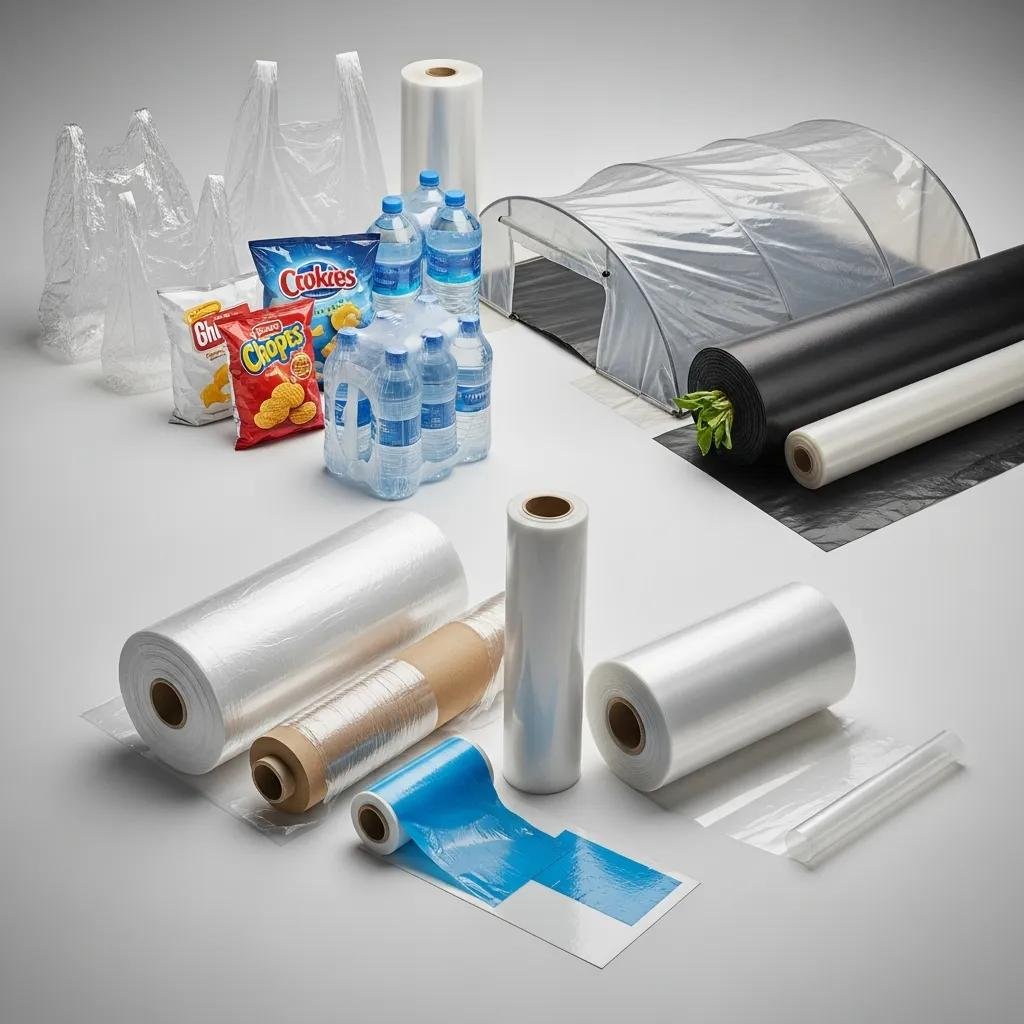
Blown film technology is widely used across various industries due to its versatility and efficiency. Understanding its applications and advantages can help manufacturers leverage this technology effectively.
Blown film is extensively used in packaging applications, including bags, wraps, and pouches. Its flexibility and strength make it ideal for protecting products during storage and transportation. In agriculture, blown film is used for greenhouse covers and mulch films, enhancing crop growth and protection. Additionally, various industrial applications utilize blown film for protective coverings and insulation materials, showcasing its versatility across sectors.
Blown film extrusion offers several advantages over other film production methods, such as cast film extrusion. The blown film process allows for better control over film thickness and properties, resulting in higher-quality products. Additionally, the ability to produce multi-layer films enhances barrier properties and functionality, making blown film extrusion a preferred choice for many manufacturers. The efficiency of the process also contributes to reduced production costs, further solidifying its position in the market.
Selecting the appropriate blown film extrusion machine is crucial for optimizing production and meeting market demands. Several factors should be considered during the selection process.
When choosing a blown film extrusion machine, manufacturers should consider factors such as production capacity, material compatibility, and budget constraints. Understanding the specific requirements of the intended applications will help in selecting a machine that meets production goals while ensuring quality output. Additionally, evaluating the after-sales support and service options available can significantly impact the long-term success of the investment.
China Evergreen Machinery Co., Ltd. specializes in providing high-quality blown film extrusion machines tailored to meet the diverse needs of manufacturers. With a focus on quality assurance and competitive pricing, the company ensures that its clients receive reliable and efficient solutions. Their commitment to after-sales service further enhances the value of their machines, making them a preferred choice for businesses in Nigeria seeking to optimize their blown film production processes.
Plastic Machine Deli
Comprehensive Guide
Plastic Machine Succ
Find Plastic Machine