
Plastic Machine Delivery and Logistics to Nigeria
Plastic Machine Deli
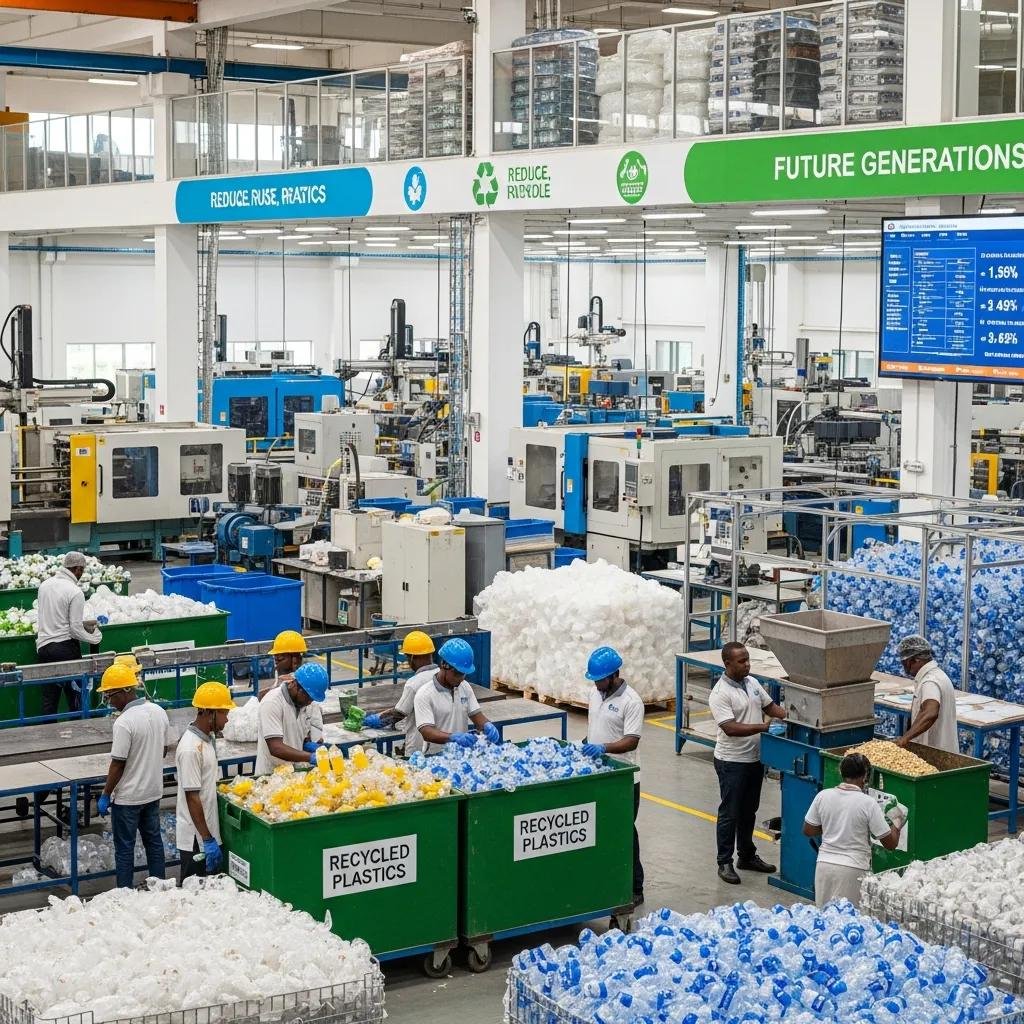
The landscape of plastic manufacturing in Nigeria is shaped by a complex web of regulations aimed at ensuring compliance and promoting sustainability. This comprehensive guide will delve into the key plastic manufacturing regulations in Nigeria, the implications of these laws, and how manufacturers can align their operations with sustainability goals. Readers will learn about the enforcement mechanisms of the National Environmental Standards and Regulations Enforcement Agency (NESREA), the impact of Extended Producer Responsibility (EPR), and the recent single-use plastic bans. Additionally, we will explore the requirements for licenses and permits, as well as the role of recycling in the industry. Understanding these regulations is crucial for manufacturers to navigate compliance challenges and contribute to a more sustainable future.
As the plastic industry faces increasing scrutiny over environmental impacts, manufacturers must adapt to new regulations that promote responsible production practices. This article will provide insights into the regulatory framework governing plastic manufacturing in Nigeria, including the responsibilities of producers under EPR policies and the implications of the single-use plastic ban. We will also discuss how manufacturers can leverage recycling technologies to meet compliance requirements and align with Nigeria’s circular economy goals.
The key plastic manufacturing regulations in Nigeria are designed to ensure environmental protection and promote sustainable practices within the industry. Central to these regulations is the role of NESREA, which enforces compliance with environmental standards and regulations. Manufacturers must adhere to guidelines that govern waste management, emissions, and the use of hazardous materials.
NESREA enforces plastic waste control policies through a combination of monitoring, inspections, and penalties for non-compliance. The agency has the authority to conduct regular inspections of manufacturing facilities to ensure adherence to environmental standards. Recent enforcement actions have included fines and shutdowns of facilities that fail to comply with waste management regulations. This proactive approach aims to mitigate the environmental impact of plastic waste and encourages manufacturers to adopt sustainable practices.
Further research underscores the critical role of a robust legal framework, including NESREA’s mandate and EPR principles, in combating plastic pollution in Nigeria.
Nigeria Plastic Pollution: Legal Framework, NESREA & EPR
Nigeria’s struggle with plastic pollution necessitates a robust legal framework to mitigate its environmental and health impacts. This study examines the existing legal regime, including the National Environmental Standards and Regulations Enforcement Agency (NESREA) Act 2007 and the Harmful Waste (Special Criminal Provisions, etc.) Act, 1988 to assess their efficacy in addressing plastic pollution. It highlights the need for comprehensive legislation, effective enforcement, and public awareness to combat plastic pollution. The study advocates for policy reforms, extended producer responsibility, and community engagement to ensure a plastic-free Nigeria. By exploring the legal imperatives, this research provides insights into the challenges and opportunities for reducing plastic pollution in Nigeria, ultimately promoting a healthier environment and sustainable future.
ENDING PLASTIC POLLUTION IN NIGERIA (LEGAL IMPERATIVES), 2025
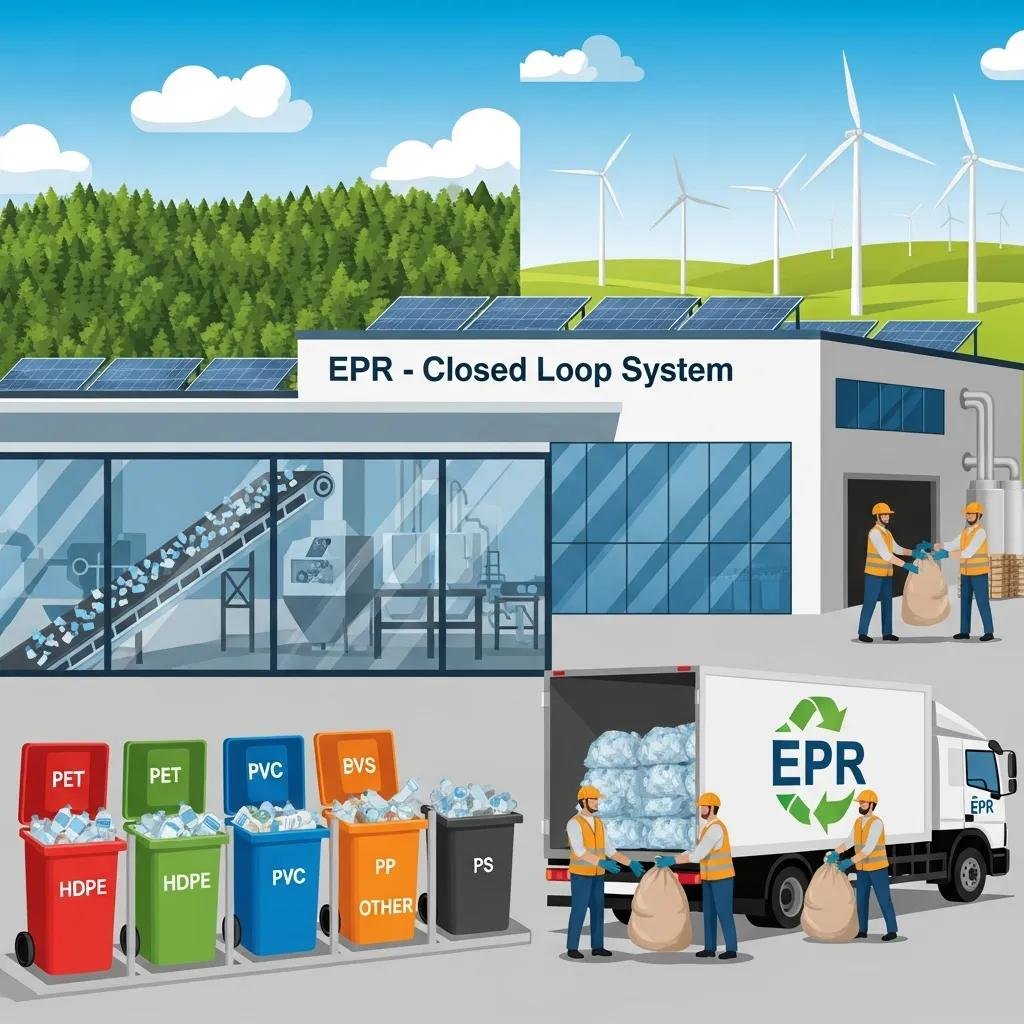
Extended Producer Responsibility (EPR) is a critical component of Nigeria’s environmental policy framework, placing the onus of waste management on producers. This regulation requires manufacturers to take responsibility for the entire lifecycle of their products, from production to disposal.
Under Nigeria’s EPR policy, producers are required to implement systems for the collection, recycling, and safe disposal of plastic products. This includes establishing take-back programs and ensuring that a certain percentage of materials used in production are recyclable or recycled. Non-compliance can result in significant penalties, including fines and restrictions on production.
Manufacturers can implement EPR compliance effectively by developing comprehensive waste management strategies that include collaboration with recycling facilities and investment in sustainable materials. Utilizing advanced recycling technologies can streamline the process of reclaiming materials, thereby reducing waste and enhancing compliance with EPR requirements. Case studies of successful compliance highlight the importance of proactive engagement with regulatory bodies and the adoption of innovative practices.
Studies further explore the complexities of EPR implementation in Nigeria, identifying key drivers and barriers to achieving a circular economy.
EPR Implementation in Nigeria: Drivers, Barriers & Circular Economy
Extended producer responsibility (EPR) is increasingly being recognized across the globe as a veritable scheme to realize the circular economy. This is because it has the potential to close the material cycles and foster effective waste management through the ‘polluter pay principle’ that allows the producers to internalize the cost of the environmental externalities of their products. The current study analyzes four Eol product cases in Nigeria — waste of electronic and electrical equipment (WEEE), plastic waste, glass bottle waste, and tyre waste — identifying major drivers and barriers to EPR implementation. Barriers include ineffective legislature and lack of financial capacity for SMEs. The study suggests integrating informal waste recyclers and implementing a deposit refund system (DRS).
Harnessing the drivers and barriers to implementation of extended producer responsibility for circular economy in Nigeria, OB Ezeudu, 2024
The single-use plastic ban in Lagos and Nigeria represents a significant shift in the regulatory landscape, aimed at reducing plastic pollution and promoting sustainable alternatives. This ban affects various sectors, including food service, retail, and packaging.
The ban targets specific single-use plastics, including plastic bags, straws, and cutlery, with implementation timelines varying by product type. Manufacturers must adapt to these changes by exploring alternative materials and redesigning products to comply with the new regulations. The phased approach to the ban allows for a transition period, but manufacturers are encouraged to act swiftly to avoid penalties.
The SUP ban poses challenges for plastic bag and packaging manufacturers, as they must pivot to alternative materials or innovative designs that comply with the regulations. However, this shift also presents opportunities for innovation, as companies can develop biodegradable or reusable products that meet consumer demand for sustainable options. Market shifts towards eco-friendly packaging solutions are becoming increasingly prevalent, prompting manufacturers to rethink their product offerings.
Recycled content mandates are becoming a cornerstone of Nigeria’s plastic production regulations, driving manufacturers to incorporate recycled materials into their products. These mandates aim to reduce reliance on virgin plastics and promote a circular economy.
By 2029, manufacturers of PET bottles are expected to include at least 25 percent recycled content in their products, according to proposed or developing policies aligned with Nigeria’s environmental goals. While this target is consistent with global trends, as of mid-2024, Nigeria has not yet formally legislated a nationwide mandatory 25 percent recycled content requirement for PET bottles. However, the government and regulatory agencies are encouraging voluntary compliance and infrastructure development to support such goals in the near future. Compliance with such mandates, once formalized, will support environmental objectives and enhance brand reputation among environmentally conscious consumers.
Research specifically highlights the challenges and opportunities in sustainable PET bottle waste management and policy development within Nigeria.
Sustainable PET Bottle Waste Management & Policy in Nigeria
Rapid economic growth and production patterns have increased plastic consumption, plastic waste generation, and environmental pollution burden on both land and water habitats across the globe. The use of PET (polyethylene terephthalate) bottles in packaging has increased tremendously and accounts for a significant proportion of the plastic waste generated in Nigeria, along with its environment and economic cost. Achieving sustainable development goals of sustainable cities and communities, responsible consumption and production, ensure access to safe water and sanitation has necessitated the need for an efficient PET bottle waste management system. This study analyzed the PET bottle system in Nigeria and proposes an integrated PET bottle model/system for sustainable waste management, resource conservation, improved environmental sanitation, and economic development in Nigeria. Also, the need for the adoption of a holistic and indigenous approach in the formulation of the national policy on plastic waste management is emphasized, as it will encourage the citizens’ participation and financial investments in waste management.
Beat the plastic: an approach to polyethylene terephthalate (PET) bottle waste management in
Nigeria, NK Egun, 2020
Plastic recycling machines play a vital role in supporting compliance with recycled content policies by enabling manufacturers to efficiently process and reclaim materials. Advanced recycling technologies, such as those offered by China Evergreen Machinery Co., Ltd., facilitate the conversion of waste plastics into high-quality recycled materials suitable for production. This capability notificada only aids in meeting regulatory requirements but also contributes to sustainability efforts within the industry.
Navigating the regulatory landscape of plastic manufacturing in Nigeria requires obtaining various licenses and permits, as well as conducting environmental assessments. These requirements are essential for ensuring compliance and minimizing environmental impact.
To obtain NESREA permits and Standards Organization of Nigeria (SON) certifications, manufacturers must submit applications that demonstrate compliance with environmental standards and product quality requirements. The process typically involves documentation of production processes, waste management plans, and adherence to safety regulations. Common challenges include navigating bureaucratic processes and ensuring timely approvals.
Environmental Impact Assessments (EIAs) are crucial for identifying potential environmental risks associated with plastic manufacturing operations. These assessments evaluate the impact of production activities on local ecosystems and communities, guiding manufacturers in implementing mitigation strategies. Neglecting EIAs can result in severe penalties and damage to a company’s reputation, underscoring the importance of thorough environmental planning.
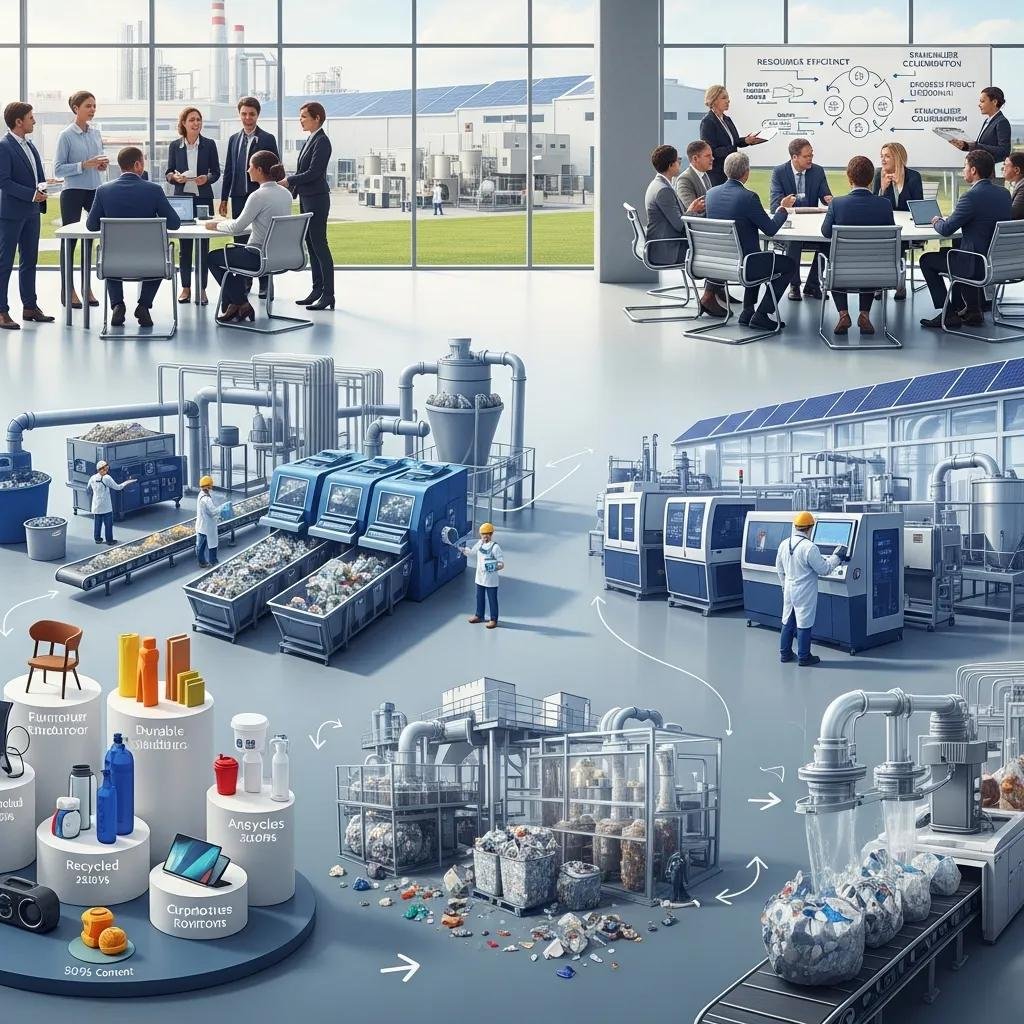
Aligning with Nigeria’s circular economy and sustainability goals is essential for plastic manufacturers seeking to thrive in a changing regulatory environment. This alignment involves adopting practices that minimize waste and promote resource efficiency.
Circular economy principles emphasize the importance of designing products for longevity, reusability, and recyclability. Manufacturers can adopt these principles by implementing sustainable design practices, investing in recycling technologies, and fostering partnerships with stakeholders across the supply chain. By embracing circular economy concepts, manufacturers can reduce their environmental footprint and enhance their competitiveness in the market.
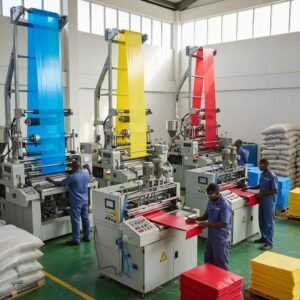
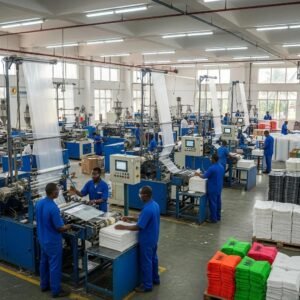
Advanced blown film and bag making machines, such as those provided by China Evergreen Machinery Co., Ltd., facilitate sustainable production by enabling the use of recycled materials and reducing energy consumption during manufacturing. These machines are designed for efficiency and ease of maintenance, allowing manufacturers to produce high-quality products while minimizing environmental impact. By investing in such technologies, manufacturers can align their operations with sustainability goals and regulatory requirements.
Plastic Machine Deli
Plastic Machine Succ
Find Plastic Machine
Plastic Machine Spar