Plastic Factory Startup in Nigeria Plastic bag making machine supplier
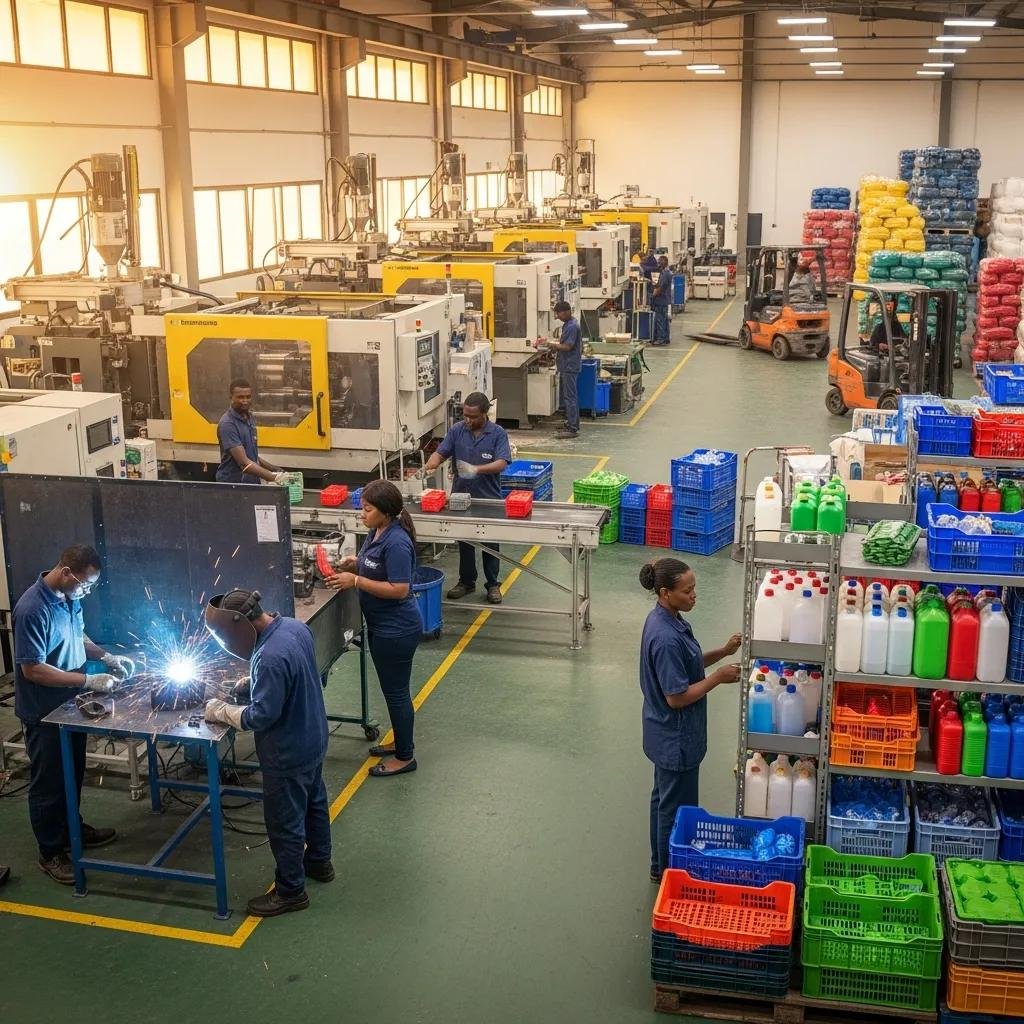
Setting up a plastic factory in Nigeria presents a significant opportunity for entrepreneurs looking to tap into the growing manufacturing sector. This comprehensive guide will walk you through the essential steps, costs, and machinery needed to establish a successful plastic manufacturing business. As Nigeria continues to develop its industrial capabilities, understanding the intricacies of starting a plastic factory is crucial for potential investors. Many aspiring business owners face challenges such as regulatory compliance, sourcing raw materials, and selecting the right machinery. This article will address these pain points and provide actionable insights. We will cover key steps to starting a plastic factory, developing a business plan, selecting machinery, investment requirements, financing options, and future trends in Nigeria’s plastic industry.
What Are the Key Steps to Starting a Plastic Factory in Nigeria?
Starting a plastic factory involves several critical steps that ensure compliance and operational readiness. The process begins with thorough planning and understanding of the regulatory landscape.
Business Registration: Register your plastic manufacturing business with the Corporate Affairs Commission (CAC) to obtain legal recognition.
Licensing Requirements: Acquire the necessary licenses and permits to operate legally within the manufacturing sector.
Site Selection: Choose a suitable location that meets zoning regulations and provides access to transportation and utilities.
How to Register Your Plastic Manufacturing Business with CAC?
Registering your business with the CAC is a fundamental step in establishing your plastic factory. The process typically involves the following steps:
Choose a Business Name: Select a unique name that reflects your business and is not already in use.
Prepare Required Documents: Gather necessary documents, including identification, business address, and proposed business activities.
Submit Application: Complete the registration form and submit it along with the required documents to the CAC.
The registration process usually takes about 1-2 weeks, depending on the completeness of your application and the CAC’s current processing times.
What Are the Essential Licenses and Regulatory Requirements?
To operate a plastic factory in Nigeria, you must comply with various regulatory requirements. Key licenses include:
Environmental Impact Assessment (EIA): Required to assess the potential environmental effects of your manufacturing activities, issued by the Federal Ministry of Environment.
Manufacturing License: Issued by the National Agency for Food and Drug Administration and Control (NAFDAC) only if you are producing food-grade plastic products; otherwise, general manufacturing permits apply.
Tax Identification Number (TIN): Necessary for tax purposes and compliance with the Federal Inland Revenue Service (FIRS).
Understanding these requirements is crucial for avoiding legal issues and ensuring smooth operations.
How to Develop a Plastic Bag Manufacturing Business Plan in Nigeria?
A well-structured business plan is essential for guiding your plastic bag manufacturing venture. It should outline your business goals, market analysis, and financial projections.
Market Analysis: Research the demand for plastic bags in Nigeria, identifying target customers and competitors.
Financial Projections: Estimate startup costs, operational expenses, and revenue forecasts to assess profitability.
Operational Plan: Detail the production process, staffing needs, and supply chain management.
What Are the Cost Components for Plastic Bag Production?
Understanding the cost components involved in plastic bag production is vital for budgeting and financial planning. The primary cost components include:
Cost Component
Description
Estimated Value
Raw Materials
Cost of plastic resins and additives
Varies based on market prices
Labor Costs
Wages for factory workers and management
Depends on workforce size and location
Overhead Expenses
Utilities, rent, and maintenance costs
Monthly fixed costs
These components will help you create a realistic financial plan for your business.
How to Source Raw Materials for Plastic Bag Manufacturing?
Sourcing high-quality raw materials is crucial for producing durable plastic bags. Here are some strategies:
Identify Suppliers: Research local and international suppliers of plastic resins and additives.
Negotiate Prices: Establish relationships with suppliers to negotiate favorable pricing and terms.
Quality Assurance: Implement quality control measures to ensure that raw materials meet production standards.
By effectively sourcing materials, you can maintain production efficiency and product quality.
Which Plastic Film Extrusion Machines Are Best for Nigerian Factories?
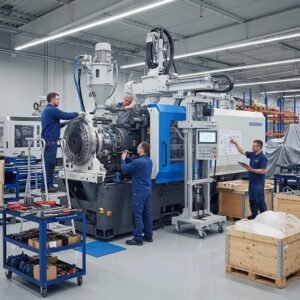
Selecting the right machinery is a critical aspect of setting up your plastic factory. The choice of machines will impact production efficiency and product quality.
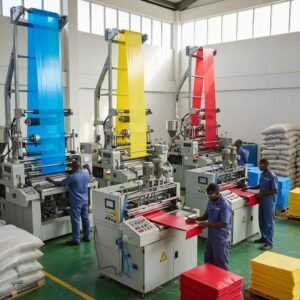
Blown Film Extrusion Machines: These machines are essential for producing plastic films used in bags. They come in various configurations, including single-layer and multi-layer options.
Printing Machines: For branding and labeling, printing machines are necessary to add designs and information to plastic bags.
Cutting and Sealing Machines: These machines finalize the production process by cutting and sealing the bags to the desired specifications.
What Types of Blown Film Extrusion Machines Are Available?
Blown film extrusion machines are categorized based on their capabilities and features:
Machine Type
Description
Capacity
Single-Layer
Produces basic plastic films
Up to 150-200 kg/hour
Multi-Layer
Offers enhanced film properties
Up to 400-500 kg/hour
High-Speed
Designed for rapid production
Up to 700-800 kg/hour
Choosing the right type of machine will depend on your production needs and budget.
How to Install and Maintain Film Blowing Machines Efficiently?
Proper installation and maintenance of film blowing machines are crucial for optimal performance. Follow these steps:
Installation: Ensure that machines are installed according to manufacturer specifications, with proper electrical and mechanical connections.
Regular Maintenance: Schedule routine maintenance checks to identify and address potential issues before they affect production.
Training Staff: Provide training for operators on machine handling and troubleshooting to minimize downtime.
Efficient maintenance practices will extend the lifespan of your machinery and enhance production efficiency.
What Are the Investment Requirements for Setting Up a Plastic Recycling Plant in Nigeria?
Investing in a plastic recycling plant requires careful financial planning and understanding of the market landscape.
Initial Capital Requirements: Assess the total investment needed for machinery, facility setup, and operational costs.
Operational Costs: Consider ongoing expenses such as labor, utilities, and raw material procurement.
Return on Investment: Analyze potential revenue streams from selling recycled products to determine the viability of your investment.
Which Plastic Recycling Machines Are Essential for a Recycling Factory?
To establish a successful recycling plant, certain machines are essential:
Machine Type
Function
Estimated Cost
Shredders
Break down plastic waste into smaller pieces
$10,000 – $50,000
Extruders
Melt and reform plastic into pellets
$20,000 – $100,000
Washing Systems
Clean plastic waste before processing
$15,000 – $60,000
Investing in high-quality recycling machines will enhance the efficiency and effectiveness of your operations.
What Government Policies Support Plastic Recycling Businesses?
The Nigerian government has implemented several policies to encourage plastic recycling, including:
Incentives for Recycling: Some state governments and agencies offer incentives, but there is no comprehensive nationwide financial incentive program specifically for plastic recycling as of now.
Regulatory Support: Streamlined processes for obtaining necessary permits and licenses are improving but can vary by state.
Funding Opportunities: Access to grants and loans for startups in the recycling sector is limited but available through some government and private sector initiatives.
Understanding these policies can provide advantages for your recycling business, but entrepreneurs should verify current programs and support.
How to Finance and Fund Your Plastic Manufacturing Business in Nigeria?
Securing financing is a critical step in launching your plastic manufacturing business. Various options are available to entrepreneurs.
Bank Loans: Traditional bank loans can provide substantial funding for startup costs, though they often require collateral and a solid business plan.
Venture Capital: Attracting venture capital can offer not only funding but also valuable business expertise and networking opportunities, though it is less common for manufacturing startups in Nigeria.
Government Grants: Explore government programs that offer grants to support manufacturing initiatives, though these are competitive and limited.
What Loan and Investment Options Are Available for Startups?
Startups can consider several financing options:
Option
Description
Pros
Bank Loans
Loans from financial institutions
Large amounts available but require collateral
Angel Investors
Wealthy individuals investing in startups
Mentorship and guidance, but less common in manufacturing
Crowdfunding
Raising small amounts from many people
Access to a broad audience, but may be challenging for manufacturing
Each option has its advantages and challenges, so it’s essential to evaluate which aligns best with your business goals.
How to Leverage Government Grants and Incentives?
Government grants can significantly reduce the financial burden of starting a business. To leverage these opportunities:
Research Available Grants: Identify grants specifically aimed at manufacturing and recycling initiatives, such as those from the Bank of Industry (BOI) or the Nigerian Export Promotion Council (NEPC).
Prepare a Strong Application: Clearly outline your business plan and how it aligns with grant objectives.
Follow Up: Maintain communication with grant agencies to stay informed about application status and requirements.
Successfully securing grants can provide a substantial financial boost to your manufacturing venture.
What Are the Future Trends and Opportunities in Nigeria’s Plastic Industry?
The plastic industry in Nigeria is evolving, presenting new opportunities for entrepreneurs.
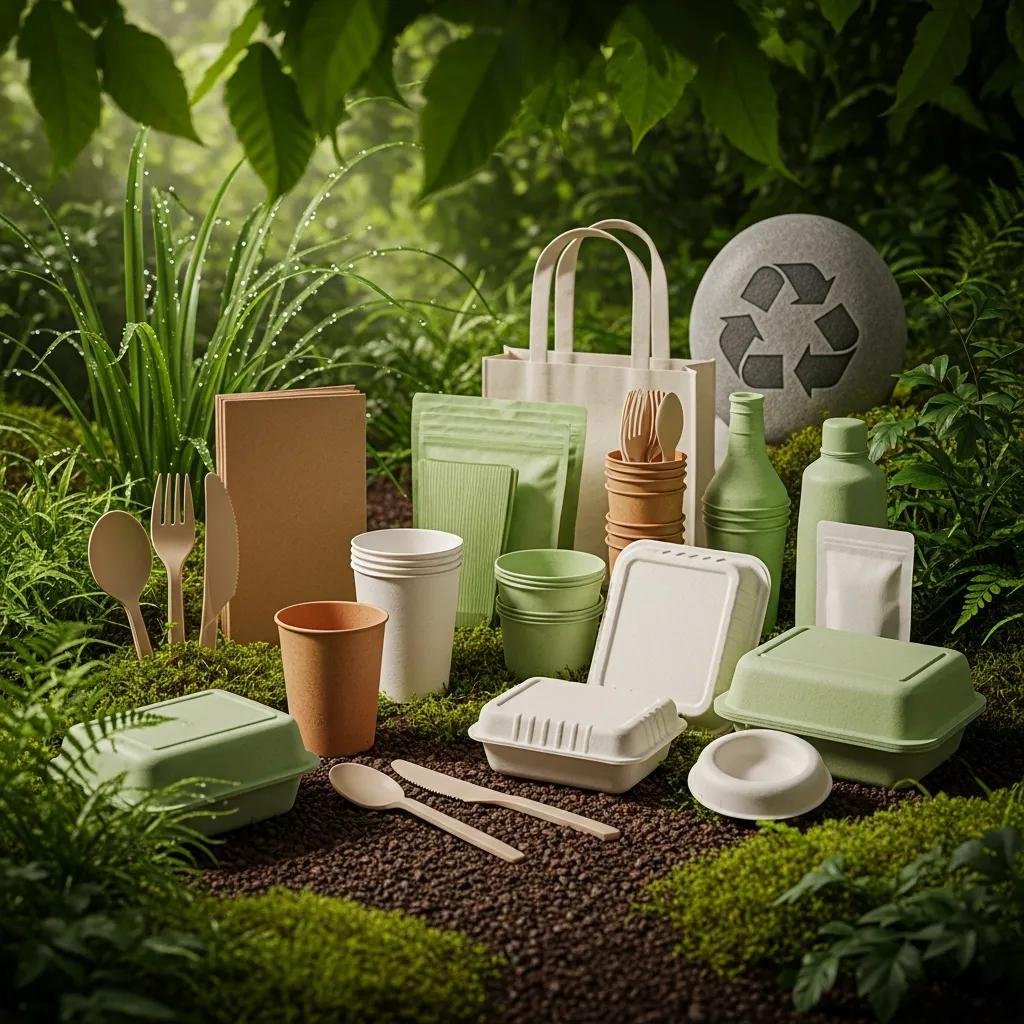
Sustainability Trends: There is a growing demand for sustainable and biodegradable plastic products as consumers become more environmentally conscious.
Technological Advancements: Innovations in manufacturing processes and materials are enhancing production efficiency and product quality.
Market Growth Projections: The plastic industry is expected to grow steadily, driven by increased demand in packaging, agriculture, and construction sectors.
How Is Sustainable and Biodegradable Plastic Production Growing?
Sustainable plastic production is gaining traction as companies seek to reduce their environmental impact. Key factors include:
Consumer Preferences: A shift towards eco-friendly products is influencing manufacturing practices.
Innovative Materials: Development of biodegradable plastics is providing alternatives to traditional materials, though adoption in Nigeria is still emerging.
Regulatory Pressures: Governments are increasingly implementing regulations on plastic waste, encouraging sustainable practices.
This trend presents a unique opportunity for businesses to innovate and capture market share.
What Role Does Technology Play in Modern Plastic Factories?
Technology is transforming the plastic manufacturing landscape. Key advancements include:
Automation: Streamlining production processes to enhance efficiency and reduce labor costs.
Data Analytics: Utilizing data to optimize operations and improve decision-making.
Smart Manufacturing: Implementing IoT technologies for real-time monitoring and management of production lines.
Embracing these technologies can position your factory for success in a competitive market.