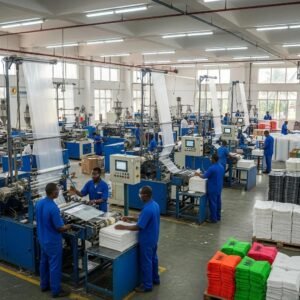
Nigeria Plastic Machinery Guide – Plastic bag making machine supplier
Importing plastic machines to Nigeria can be a complex yet rewarding venture for businesses looking to enhance their manufacturing capabilities. This comprehensive guide will provide you with essential insights into the import regulations, processes, costs, and types of machines best suited for the Nigerian market. By understanding the intricacies of importing plastic machinery, you can navigate potential challenges and make informed decisions that will benefit your business. This article will cover key Nigerian import regulations, the step-by-step import process, associated costs, suitable machine types, financing options, and after-sales services.
What Are the Key Nigerian Import Regulations for Plastic Machinery?
Understanding the regulatory framework governing the import of plastic machinery is crucial for a successful importation process. Nigeria has specific regulations that must be adhered to, ensuring that all imported goods meet safety and quality standards. Compliance with these regulations not only facilitates smoother customs clearance but also protects the interests of consumers and businesses alike.
Which Government Agencies Oversee Plastic Machine Imports in Nigeria?
Several government agencies are responsible for overseeing the importation of plastic machinery in Nigeria. These include:
Nigeria Customs Service (NCS): Responsible for enforcing customs laws and regulations, ensuring that all imports comply with national standards.
National Agency for Food and Drug Administration and Control (NAFDAC): Ensures that imported machinery used in food packaging meets health and safety standards.
Standards Organization of Nigeria (SON): Sets and enforces quality standards for imported goods, including machinery.
These agencies play a vital role in the import process, and understanding their functions can help streamline your importation efforts.
What Documentation Is Required to Import Plastic Manufacturing Equipment?
When importing plastic manufacturing equipment into Nigeria, several key documents are required to ensure compliance with regulations. These include:
Form M: A mandatory document for all imports, which provides details about the goods being imported and is required for customs clearance.
Bill of Lading: A shipping document that serves as a receipt for the cargo and outlines the terms of the shipment.
Proforma Invoice: A preliminary invoice provided by the seller, detailing the expected costs and specifications of the machinery.
Having these documents prepared in advance can significantly expedite the import process.
How Does the Step-by-Step Import Process for Plastic Machines Work in Nigeria?
The import process for plastic machines in Nigeria involves several critical steps that must be followed to ensure compliance and efficiency. Understanding these steps can help you avoid common pitfalls and delays.
What Are the Pre-Shipment and Shipping Procedures for Plastic Machinery?
Before the actual shipment of plastic machinery, several pre-shipment procedures must be completed:
Pre-shipment Inspection: This may be required depending on the type of machinery and regulatory requirements to verify that the machinery meets the necessary standards and specifications.
Shipping Logistics: Arranging for transportation, including selecting shipping terms such as Free on Board (FOB) or Cost, Insurance, and Freight (CIF).
Documentation Preparation: Ensuring all required documents are ready for submission to customs upon arrival.
These steps are crucial for a successful importation process and can help mitigate potential issues during shipping.
How Is Customs Clearance and Port Handling Managed for Plastic Equipment?
Once the machinery arrives in Nigeria, customs clearance and port handling become critical. The process typically involves:
Customs Duties: Payment of applicable duties based on the value of the machinery and the Harmonized System (HS) code classification.
Port Handling Fees: Charges incurred for the handling and storage of goods at the port.
Role of Customs Agents: Engaging a licensed customs agent can facilitate the clearance process, ensuring compliance with all regulations.
Understanding these elements can help you navigate the complexities of customs clearance effectively.
What Are the Import Duties, Taxes, and Shipping Costs for Plastic Film Machines in Nigeria?
When importing plastic machines, it is essential to be aware of the various costs involved, including import duties, taxes, and shipping expenses. This knowledge will help you budget effectively and avoid unexpected expenses.
How Are Import Duties and Tariffs Calculated for Plastic Machines?
Import duties and tariffs for plastic machines are calculated based on several factors, including:
HS Codes: The Harmonized System codes assigned to the machinery, which determine the applicable duty rates.
Duty Rates: These rates vary depending on the type of machinery and its intended use. For plastic machinery, duty rates typically range from 5% to 20%, depending on classification.
Additional Taxes: Other taxes may apply, such as Value Added Tax (VAT) at 7.5% and possibly other levies like the Industrial Development Levy (IDL).
Understanding how these factors influence the total cost of importing can help you make informed financial decisions.
What Are Typical Shipping and Insurance Costs from China to Lagos?
Shipping costs from China to Lagos can vary based on several factors, including the size and weight of the machinery, shipping method, and insurance options. Typical costs may include:
Average Shipping Costs: For containerized shipments, costs can range from $1,000 to $3,000 USD per 20-foot container, depending on current freight rates and fuel surcharges.
Insurance Options: Insuring your shipment is recommended to protect against potential losses during transit, typically costing around 0.5% to 2% of the cargo value.
Delivery Timelines: Sea freight from China to Lagos generally takes between 20 to 35 days, depending on the shipping line and route.
Being aware of these costs will enable you to budget effectively for your importation project.
Which Types of Plastic Machines Are Best Suited for the Nigerian Market?
Selecting the right type of plastic machinery is crucial for meeting market demands and ensuring operational efficiency. Various types of machines are available, each with unique features and applications.
What Are the Features of Blown Film Extrusion and Plastic Bag Making Machines?
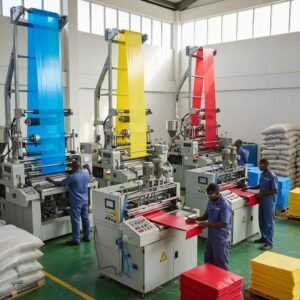
Blown film extrusion and plastic bag making machines are particularly popular in Nigeria due to their versatility and efficiency. Key features include:
Production Capacity: The ability to produce large volumes of plastic film and bags quickly, with capacities ranging from 50 kg to over 300 kg per hour depending on the machine model.
Energy Efficiency: Modern machines are designed to minimize energy consumption while maximizing output.
Durability: High-quality materials and construction ensure longevity and reliability in production.
These features make these machines ideal for businesses looking to enter or expand in the plastic manufacturing sector.
How Does China Evergreen Machinery Support Nigerian Importers?
China Evergreen Machinery Co., Ltd. offers comprehensive support for Nigerian importers of plastic machinery. Their services include:
Installation Support: Assistance with the setup and installation of machinery to ensure optimal performance.
Training Programs: Providing training for operators to maximize the efficiency and safety of the equipment.
Spare Parts Availability: Ensuring that essential spare parts are readily available to minimize downtime.
This support can significantly enhance the import experience and ensure successful integration of the machinery into your operations.
How Can Nigerian Businesses Finance and Set Up Plastic Manufacturing with Imported Machines?
Financing options are crucial for businesses looking to invest in imported plastic machinery. Understanding these options can help you secure the necessary funds for your project.
What Financing Options Are Available for Importing Plastic Machinery?
Several financing options are available for businesses looking to import plastic machinery, including:
Bank Loans: Traditional financing through banks can provide the necessary capital for large purchases, often requiring collateral and a good credit history.
Government Grants: Some government programs may offer grants or subsidies for businesses in the manufacturing sector, though these are limited and competitive.
Private Investors: Engaging private investors can provide alternative funding sources, often with more flexible terms.
Exploring these options can help you find the best financing solution for your needs.
What Are the Steps to Establish a Plastic Manufacturing Factory in Nigeria?
Setting up a plastic manufacturing factory involves several key steps:
Location Selection: Choosing a suitable location that offers access to markets, reliable power supply, and transportation infrastructure.
Equipment Procurement: Acquiring the necessary machinery and equipment for production.
Regulatory Compliance: Registering the business, obtaining necessary permits, and ensuring that all local regulations and standards are met before commencing operations.
Following these steps can help streamline the establishment of your manufacturing facility.
What Installation, Maintenance, and After-Sales Services Are Provided for Imported Plastic Machines?
After purchasing plastic machinery, understanding the installation and maintenance services available is essential for ensuring long-term operational success.
How Is Installation and Training Delivered for Imported Equipment?
Installation and training services are critical for the successful operation of imported machinery. These services typically include:
On-site Training: Providing hands-on training for operators to ensure they are familiar with the equipment.
User Manuals: Supplying detailed manuals that outline operational procedures and maintenance requirements.
Technical Support: Offering ongoing technical support to address any issues that may arise during operation.
These services can significantly enhance the efficiency and effectiveness of your machinery.
Where Can Nigerian Customers Access Spare Parts and Technical Support?
Accessing spare parts and technical support is vital for maintaining the functionality of imported machinery. Options include:
Local Distributors: Partnering with local distributors who can provide timely access to spare parts.
Online Resources: Utilizing online platforms to order parts and access technical documentation.
Contact Points for Support: Establishing clear communication channels with suppliers for prompt assistance.
Ensuring that these resources are available can help minimize downtime and maintain production efficiency.