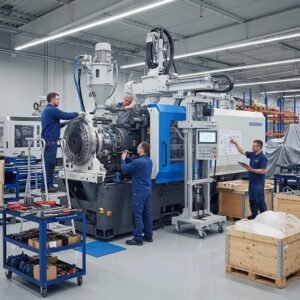
Advanced Plastic Pelletizing Machine Systems

Advanced Plastic Pelletizing Machine Systems: Comprehensive Guide for Efficient Plastic Recycling in Nigeria

The increasing demand for sustainable practices in manufacturing has led to the development of advanced plastic pelletizing machine systems. These systems play a crucial role in the recycling process, transforming plastic waste into reusable pellets that can be utilized in various applications. This comprehensive guide will explore the mechanisms, types, and benefits of advanced plastic pelletizing machines, particularly in the context of Nigeria’s growing recycling industry. Many businesses face challenges in managing plastic waste effectively, and understanding how these machines work can provide a viable solution. We will delve into the plastic pelletizing process, the different types of machines available, and how to select the right system for your business needs.

What Are Advanced Plastic Pelletizing Machines and How Do They Work?

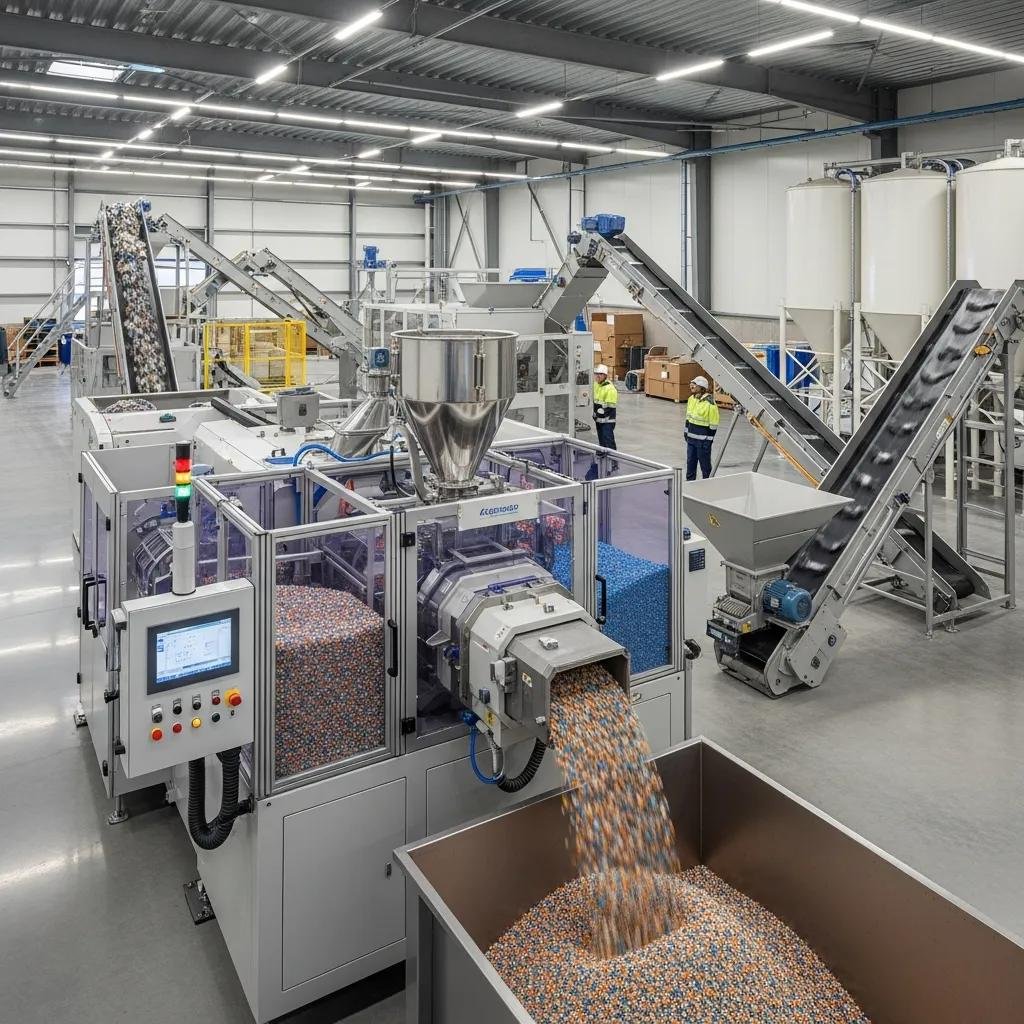
Advanced plastic pelletizing machines are specialized systems designed to convert plastic waste into small, reusable pellets. These machines operate by melting down plastic materials and extruding them into uniform shapes, which are then cooled and cut into pellets. The importance of these machines lies in their ability to facilitate recycling, reduce plastic waste, and promote a circular economy. By efficiently processing various types of plastic waste, these machines contribute significantly to environmental sustainability and resource conservation.
What Is the Plastic Pelletizing Process from Waste to Pellets?

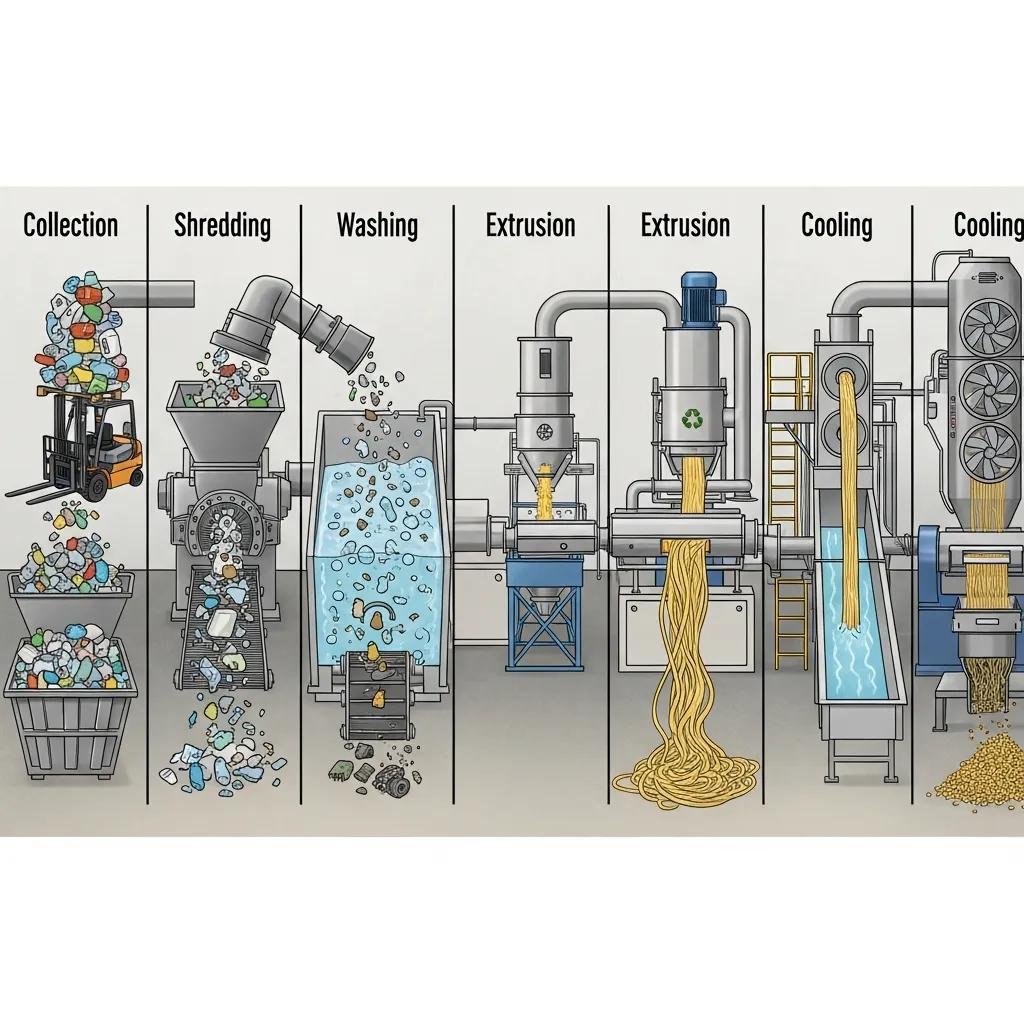
Stages of the plastic pelletizing process from waste collection to pellet production

The plastic pelletizing process involves several key steps that transform waste into usable pellets:

  1. Collection and Sorting: Plastic waste is collected and sorted based on type and quality to ensure compatibility during processing.
  2. Shredding: The sorted plastic is shredded into smaller pieces to facilitate easier melting and processing.
  3. Washing: The shredded plastic is washed to remove contaminants, ensuring a clean feedstock for the pelletizing process.
  4. Extrusion: The clean plastic is melted and extruded through a die to form continuous strands.
  5. Cooling and Cutting: The extruded strands are cooled and cut into uniform pellets, ready for reuse.

This process not only recycles plastic waste but also creates high-quality pellets that can be used in various manufacturing applications.

Which Key Components Drive Plastic Pelletizing Systems?

Plastic pelletizing systems consist of several essential components that work together to ensure efficient operation:

  • Extruder: The heart of the pelletizing machine, the extruder melts and processes the plastic material.
  • Filtration System: This component removes impurities and contaminants from the melted plastic, ensuring high-quality pellets.
  • Degassing Unit: It removes any trapped gases during the melting process, preventing defects in the final product.
  • Cooling System: This system cools the extruded strands quickly to maintain their shape and quality.
  • Cutting System: This component cuts the cooled strands into uniform pellets.

Understanding these components is crucial for optimizing the performance and efficiency of plastic pelletizing machines.
What Are the Main Types of Plastic Pelletizing Machines?

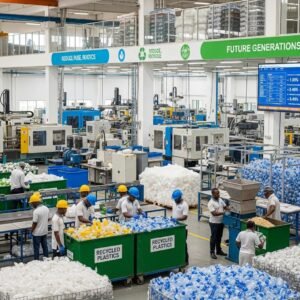
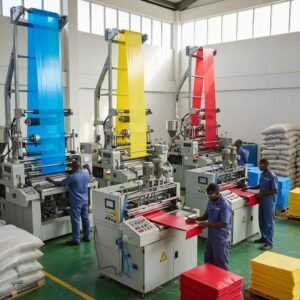
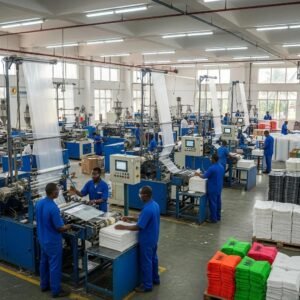
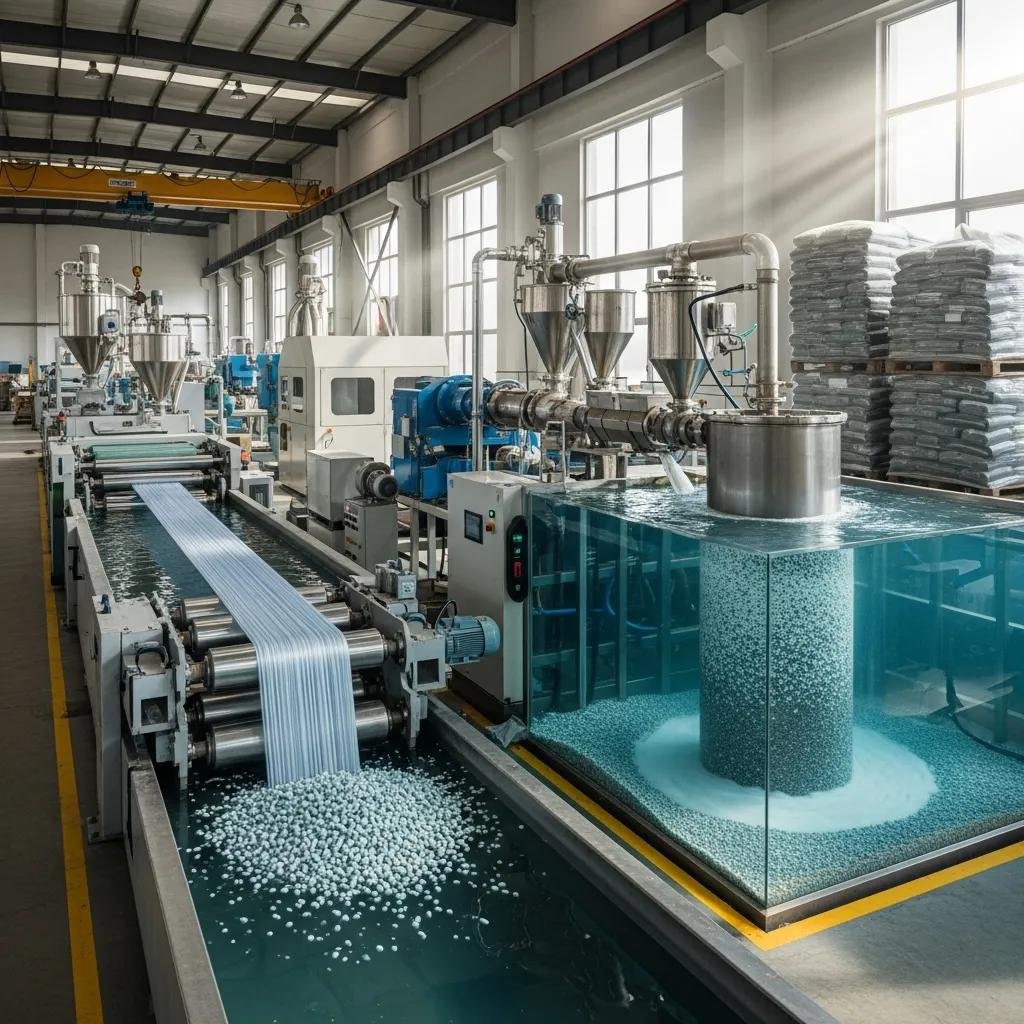
Different types of plastic pelletizing machines in an industrial setting

There are several types of plastic pelletizing machines, each designed for specific applications and materials. Understanding these types can help businesses choose the right system for their needs.

How Do Strand Pelletizers Operate and What Are Their Benefits?

Strand pelletizers operate by extruding melted plastic into continuous strands, which are then cooled and cut into pellets. This type of machine is particularly effective for processing materials like polyethylene and polypropylene. The benefits of strand pelletizers include:

  • High Efficiency: They can process large volumes of plastic waste quickly.
  • Versatility: Suitable for various types of plastics, making them ideal for recycling operations.
  • Quality Output: Produces uniform pellets that meet industry standards.

What Are the Advantages of Water-Ring and Underwater Pelletizers?

Water-ring and underwater pelletizers are designed to cool and cut extruded plastic in water, which enhances the quality of the pellets. The advantages of these systems include:

  • Improved Cooling: Rapid cooling in water prevents deformation of pellets.
  • Reduced Dust: The water environment minimizes dust generation during the cutting process.
  • Enhanced Pellet Quality: Produces high-quality pellets with consistent size and shape.

These pelletizers are particularly beneficial for processing materials that require precise temperature control or are prone to deformation.

Comprehensive Guide for Efficient Plastic Recycling in Nigeria

Selecting the appropriate plastic pelletizing machine is crucial for maximizing efficiency and profitability in recycling operations. Several factors should be considered when making this decision.

Which Plastic Materials Can Advanced Pelletizers Process Effectively?

Advanced pelletizers can effectively process a variety of plastic materials, including:

  • Polyethylene (PE): Commonly used in packaging and plastic bags.
  • Polypropylene (PP): Widely used in automotive and consumer goods.
  • Polystyrene (PS): Often found in disposable cutlery and packaging materials.
  • Polyvinyl Chloride (PVC): Used in pipes, cables, and construction materials (note: requires specialized handling due to chlorine content).

Understanding the types of plastics your business will process is essential for selecting the right machine.

What Factors Affect Capacity, Cost, and ROI in Nigeria?

When choosing a plastic pelletizing machine, several factors can influence capacity, cost, and return on investment (ROI):

  • Machine Size and Capacity: Larger machines can process more material but may require higher initial investment.
  • Operational Costs: Consider energy consumption, maintenance, and labor costs associated with the machine.
  • Material Type and Contamination Level: Different plastics and contamination levels affect processing efficiency and costs.
  • Market Demand: Assess the demand for recycled pellets in your target market to ensure profitability.

Evaluating these factors will help businesses make informed decisions that align with their operational goals.

What Are the Benefits of Using Advanced Plastic Pelletizing Systems in Nigeria?

Implementing advanced plastic pelletizing systems offers numerous benefits for businesses in Nigeria, particularly in the context of sustainability and economic growth.

How Do Pelletizing Machines Support Nigeria’s Circular Economy and Sustainability?

Pelletizing machines play a vital role in supporting Nigeria’s circular economy by:

  • Reducing Plastic Waste: They help divert plastic waste from landfills and the environment, promoting environmental sustainability.
  • Creating Reusable Resources: The production of high-quality pellets enables the reuse of materials in manufacturing, reducing the need for virgin plastics.
  • Supporting Local Economies: By establishing recycling operations, businesses can create jobs and stimulate economic growth in their communities.

These machines contribute significantly to Nigeria’s sustainability efforts and environmental goals.

What Economic and Operational Advantages Do They Offer Nigerian Businesses?

The economic and operational advantages of using advanced plastic pelletizing systems include:

  • Cost Savings: Recycling plastic waste can reduce raw material costs for manufacturers.
  • Increased Efficiency: Advanced machines streamline the recycling process, improving overall operational efficiency.
  • Market Competitiveness: Businesses that adopt sustainable practices can enhance their market position and attract environmentally conscious consumers.

These advantages make advanced plastic pelletizing systems a valuable investment for Nigerian businesses.

What Are the Essential Maintenance and After-Sales Support Services for Pelletizing Machines in Nigeria?

Proper maintenance and support services are crucial for ensuring the longevity and performance of plastic pelletizing machines.

How Does Local Service and Customization Enhance Machine Performance?

Local service providers can offer tailored maintenance solutions that enhance machine performance by:

  • Quick Response Times: Local technicians can address issues promptly, minimizing downtime.
  • Customized Solutions: Service providers can offer maintenance plans tailored to the specific needs of the machine and the business.
  • Training and Support: Local support can include training for operators, ensuring they are well-equipped to handle the machinery.

These services are essential for maximizing the efficiency and lifespan of pelletizing machines.

What Are Common Maintenance Practices to Ensure Longevity?

To ensure the longevity of plastic pelletizing machines, businesses should implement the following maintenance practices:

  1. Regular Inspections: Conduct routine checks to identify potential issues before they escalate.
  2. Cleaning: Keep the machine clean to prevent contamination and ensure optimal performance.
  3. Lubrication: Regularly lubricate moving parts to reduce wear and tear.

Implementing these practices can significantly extend the life of pelletizing machines and enhance their operational efficiency.

How Does Kingdom Machinery Provide Advanced Plastic Pelletizing Solutions for the Nigerian Market?

Kingdom Machinery, operating as China Evergreen Machinery Co., Ltd., specializes in providing advanced plastic pelletizing solutions tailored to the Nigerian market.

What Unique Features and Warranty Benefits Does Kingdom Machinery Offer?

Kingdom Machinery offers several unique features and warranty benefits, including:

  • High-Quality Manufacturing: Machines are built with durable materials to withstand rigorous use.
  • Comprehensive Warranty: A robust warranty covers parts and labor, providing peace of mind for customers.
  • Customization Options: Machines can be tailored to meet specific processing needs, ensuring optimal performance.

These features make Kingdom Machinery a reliable partner for businesses looking to invest in plastic pelletizing systems.

How Does Kingdom Machinery Support Fast Delivery and Local After-Sales Service?

Kingdom Machinery is committed to providing fast delivery and local after-sales service by:

  • Efficient Logistics: Streamlined logistics processes ensure timely delivery of machines to customers.
  • Local Support Teams: Dedicated local teams are available for installation, training, and maintenance support.
  • Responsive Customer Service: A customer-centric approach ensures that businesses receive the assistance they need promptly.

This commitment to service enhances the overall customer experience and supports the successful implementation of plastic pelletizing systems in Nigeria.

ComponentDescriptionImportance
ExtruderMelts and processes plastic wasteCore of the pelletizing system
Filtration SystemRemoves impurities from melted plasticEnsures high-quality pellets
Degassing UnitRemoves trapped gases during meltingPrevents defects in pellets
Cooling SystemCools extruded strandsMaintains pellet shape and quality

In conclusion, advanced plastic pelletizing machine systems are vital for promoting sustainable practices in Nigeria’s recycling industry. By understanding the mechanisms, types, and benefits of these machines, businesses can make informed decisions that contribute to environmental sustainability and economic growth.

Share:

More News

Send a message

请在浏览器中启用JavaScript来完成此表单。