
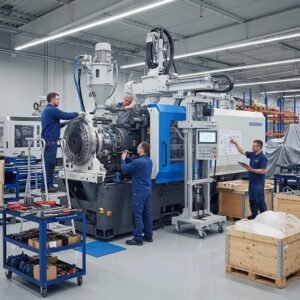
Plastic Machine Delivery and Logistics to Nigeria
Plastic Machine Deli
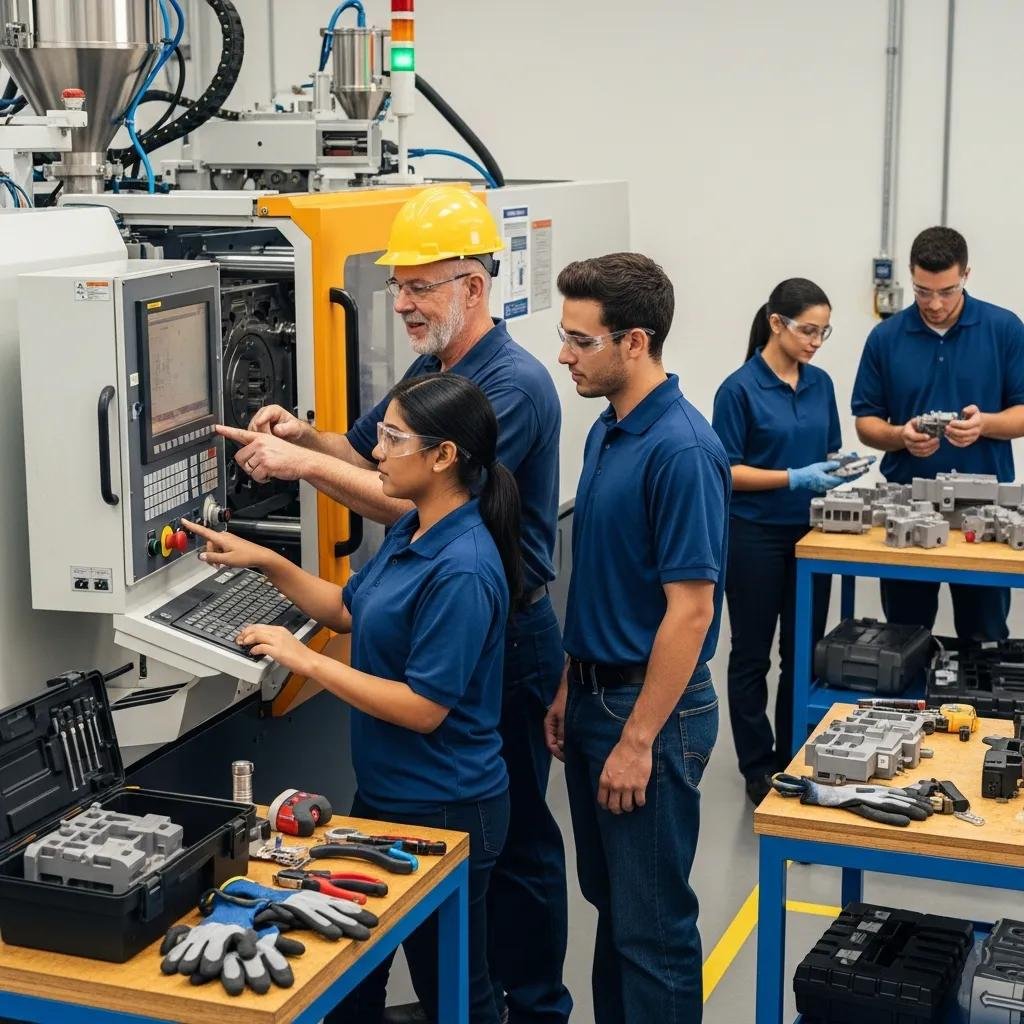
Plastic machine operator training is crucial for enhancing the skills of individuals in Nigeria’s manufacturing sector. This training equips operators with the necessary competencies to handle various plastic production processes, including blown film extrusion and plastic bag making. As the demand for skilled operators grows, understanding the training’s significance becomes essential for career advancement. This article will explore the core competencies required for plastic machine operators, the specific training programs available, and the career opportunities that arise from certification. Additionally, we will discuss the importance of safety protocols and how training can support Nigeria’s environmental goals.
Plastic machine operator training encompasses a series of educational programs designed to equip individuals with the skills necessary to operate and maintain plastic manufacturing machinery. This training is essential in Nigeria due to the ongoing growth of the manufacturing sector, which has created a significant demand for skilled operators. The training focuses on core competencies such as technical skills, safety protocols, and operational knowledge, ensuring that operators can effectively manage machinery and adhere to industry standards.
The core competencies required for plastic machine operators include a solid understanding of machinery operation, maintenance practices, and safety protocols. Operators must be proficient in handling equipment such as extruders, die heads, and winders, which are critical components in the plastic manufacturing process. Additionally, knowledge of quality control measures and troubleshooting techniques is vital for ensuring efficient production and minimizing waste.
The demand for skilled plastic machine operators in Nigeria’s manufacturing sector is increasing, driven by industrialization efforts and the need for high-quality plastic products. The manufacturing sector contributes a notable portion to Nigeria’s GDP, underscoring the importance of a skilled workforce. As companies expand their operations, the need for trained operators who can efficiently manage production processes becomes paramount, creating numerous job opportunities for individuals who complete their training.
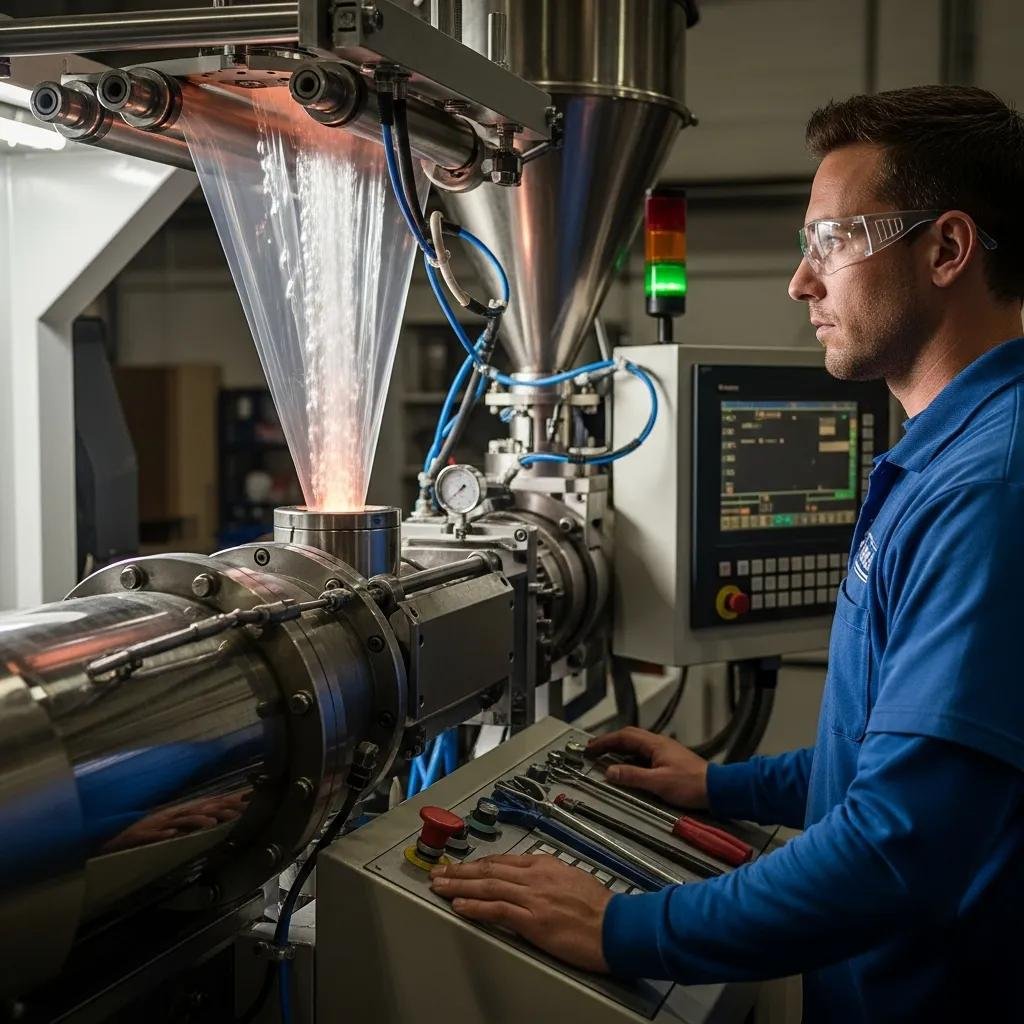
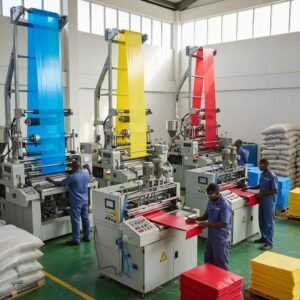
Blown film extrusion training is a specialized program that focuses on the operation of blown film extrusion machines, which are essential for producing plastic films and bags. This training equips operators with the knowledge and skills needed to manage the entire extrusion process, from material preparation to final product quality assessment. Understanding the intricacies of this process is crucial for ensuring high-quality output and operational efficiency.
Blown film extrusion machines consist of several key components, including the extruder, die head, and winder. The extruder melts plastic pellets and forces the molten material through the die head, forming a thin film. The film is then cooled and wound onto rolls for further processing. Operators must understand each component’s function and how to troubleshoot common issues that may arise during operation, ensuring smooth production.
Safety is a critical aspect of blown film extrusion training. Operators learn essential safety protocols, including the proper use of personal protective equipment (PPE) and emergency procedures. Additionally, training covers key skills such as troubleshooting techniques and operational efficiency strategies, enabling operators to respond effectively to challenges and maintain a safe working environment.
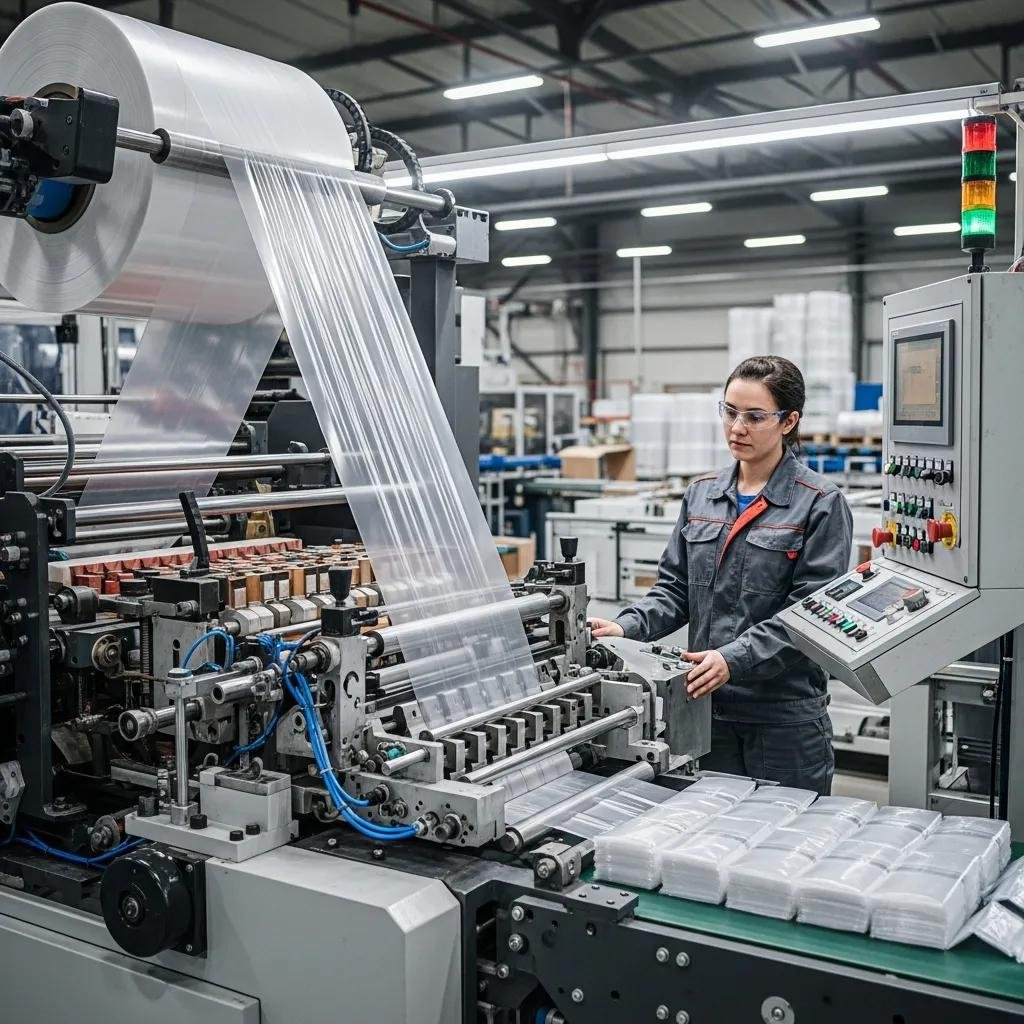
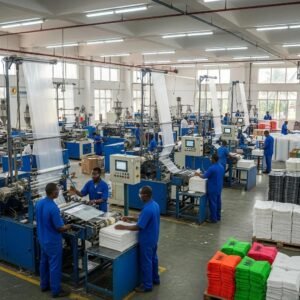
Plastic bag making machine training focuses on the specific skills required to operate various types of plastic bag making machines. This training is vital for ensuring that operators can produce high-quality bags efficiently while adhering to safety and quality standards.
There are several types of plastic bag making machines, including bottom-seal, side-seal, and T-shirt bag machines. Each machine has unique operational techniques that operators must master. Training programs provide hands-on experience with these machines, allowing operators to understand their functionalities and optimize production processes.
Quality control is a critical component of plastic bag production. Operators are trained in various quality control measures, including inspection techniques and testing procedures. Additionally, training emphasizes waste reduction strategies, helping operators identify areas for improvement in the production process and enhance overall efficiency.
| Machine Type | Operational Technique | Efficiency Consideration |
|---|---|---|
| Bottom-Seal | Utilizes heat sealing for bag closure | High-speed production with minimal waste |
| Side-Seal | Employs side sealing for durability | Versatile for various bag sizes |
| T-shirt Bag | Features handle creation during production | Ideal for retail and grocery applications |
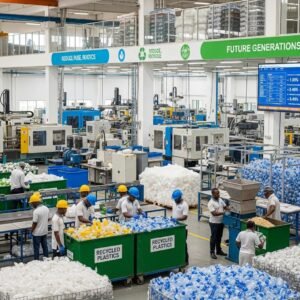
Plastic recycling machine operation training plays a vital role in supporting Nigeria’s environmental goals by equipping operators with the skills needed to manage recycling processes effectively. This training not only promotes sustainable practices but also contributes to reducing plastic waste in the environment.
Plastic recycling machines are designed to process used plastic materials, transforming them into reusable raw materials. Operators learn about the different types of recycling machines, including shredders, granulators, and extruders, and their specific functions in the recycling process. Understanding these machines is essential for maximizing recycling efficiency and minimizing environmental impact.
Proper maintenance and troubleshooting practices are crucial for ensuring the longevity and efficiency of recycling equipment. Training programs emphasize routine maintenance tasks, such as cleaning and lubrication, as well as common troubleshooting techniques. By mastering these practices, operators can prevent equipment failures and maintain optimal recycling operations.
Safety protocols are paramount for plastic machine operators to ensure a safe working environment. Training programs emphasize the importance of adhering to safety standards and implementing best practices in the workplace.
Operators are trained in the proper use of personal protective equipment (PPE), including gloves, goggles, and masks, to minimize exposure to hazardous materials. Additionally, training covers emergency procedures, ensuring that operators are prepared to respond effectively to accidents or equipment malfunctions.
Identifying potential hazards in the workplace is a critical skill for plastic machine operators. Training includes hazard identification techniques and the implementation of lockout/tagout practices to ensure that machines are properly shut down during maintenance. This proactive approach enhances safety and reduces the risk of accidents.
Certified plastic machine operator training opens up numerous career opportunities for individuals in Nigeria’s manufacturing sector. As the demand for skilled operators continues to grow, certification provides a competitive edge in the job market.
The job market for plastic machine operators in Nigeria is expanding, with many companies seeking certified professionals. Employers typically look for candidates with a strong understanding of machinery operation, safety protocols, and quality control measures. Certification demonstrates a commitment to professional development and enhances employability.
Obtaining certification in plastic machine operation offers several advantages, including improved operational efficiency, enhanced safety awareness, and increased career advancement opportunities. Certified operators are often preferred by employers, leading to better job prospects and higher earning potential.
In conclusion, plastic machine operator training is essential for developing the skills necessary to thrive in Nigeria’s manufacturing sector. With a focus on safety, quality control, and operational efficiency, this training equips individuals for successful careers in a rapidly growing industry. As the demand for skilled operators continues to rise, investing in training and certification becomes increasingly important for both personal and professional growth.
Plastic Machine Deli
Comprehensive Guide
Plastic Machine Succ
Find Plastic Machine