
Plastic Machine Delivery and Logistics to Nigeria
Plastic Machine Deli
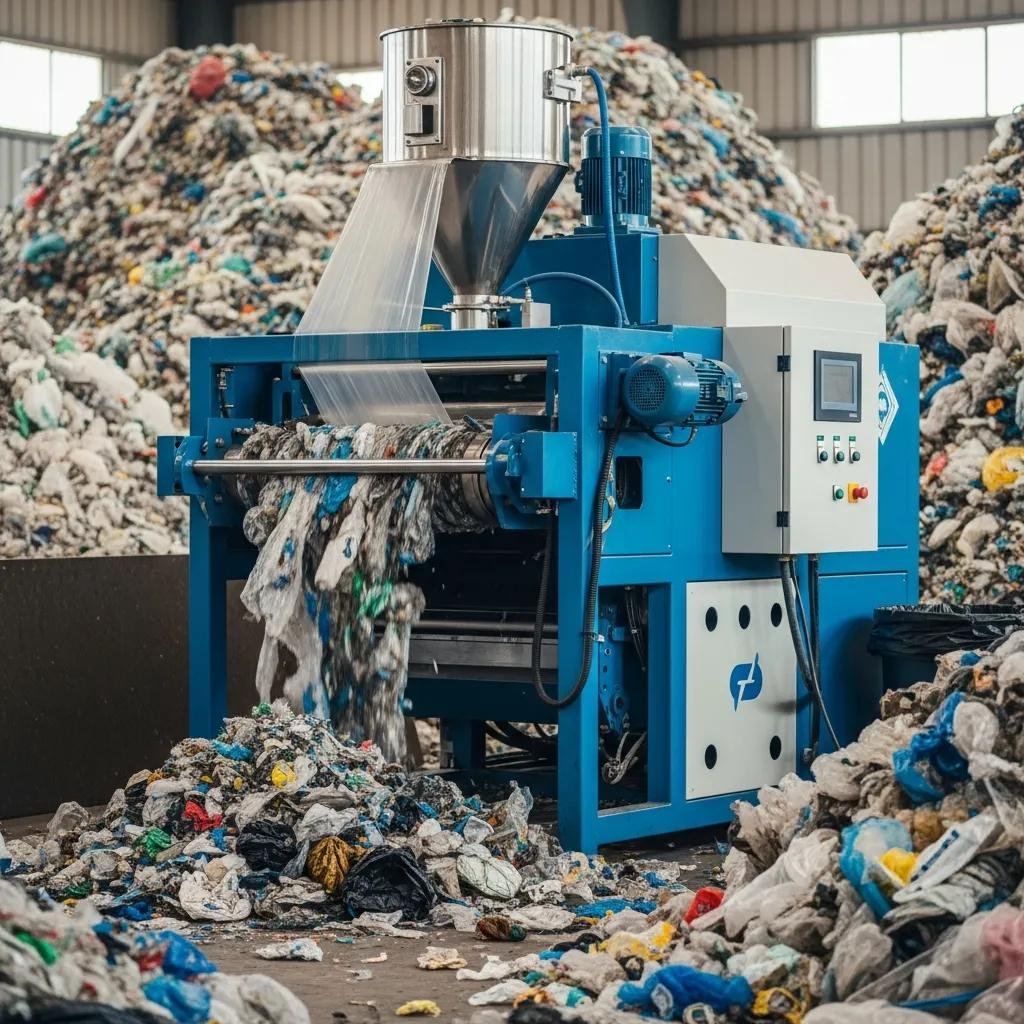
Plastic waste management is a pressing issue in Nigeria, where the accumulation of plastic film waste poses significant environmental challenges. Efficient plastic film recycling machines offer a viable solution to this problem, enabling the conversion of waste into reusable materials. This article explores the importance of plastic film recycling, the types of machines available, their operational processes, and the advantages of using Evergreen’s machines in Nigeria. Readers will gain insights into how these machines can contribute to sustainable waste management practices while also providing economic benefits. We will also discuss how to set up a cost-effective recycling plant and the necessary maintenance for these machines.
Plastic film recycling involves the collection, processing, and repurposing of plastic films, which are commonly used in packaging and other applications. This process is essential for reducing plastic waste, conserving resources, and promoting environmental sustainability. In Nigeria, where plastic waste is a growing concern, effective recycling can mitigate pollution and support a circular economy.
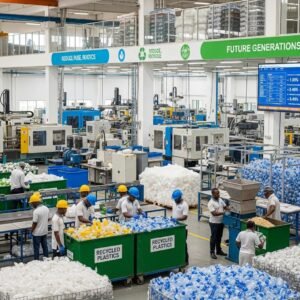
Plastic film recycling encompasses several key processes, including collection, sorting, shredding, washing, and pelletizing. The collected plastic films are sorted by type, typically into categories such as low-density polyethylene (LDPE), high-density polyethylene (HDPE), and polypropylene (PP). After sorting, the films are shredded into smaller pieces, washed to remove contaminants, and then processed into pellets that can be used to manufacture new products. This recycling process not only reduces the volume of waste but also conserves the energy and resources needed to produce new plastic materials.
Recycling plastic film in Nigeria offers numerous environmental and economic benefits. Environmentally, it helps reduce the amount of plastic waste that ends up in landfills and waterways, thereby decreasing pollution and protecting wildlife. Economically, recycling creates job opportunities in the waste management sector and can lead to the development of new industries focused on recycled materials. Additionally, it can lower the costs associated with waste disposal and reduce the reliance on imported raw materials, fostering local economic growth.
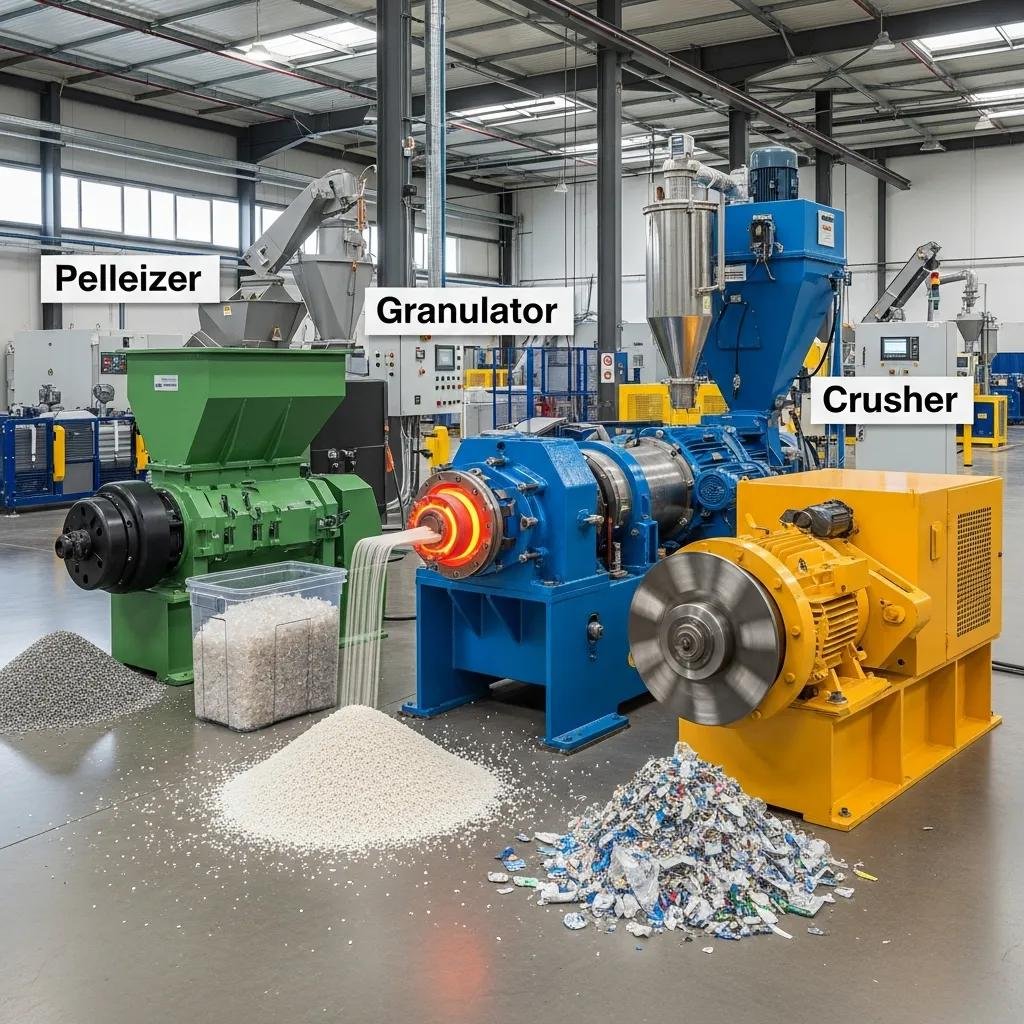
There are various types of efficient plastic film recycling machines designed to handle different aspects of the recycling process. These machines include pelletizers, granulators, and crushers, each serving a specific function in the recycling line.
Pelletizers are used to convert shredded plastic into small pellets, which can be easily transported and reused in manufacturing. Granulators, on the other hand, are designed to break down plastic into smaller flakes, making it easier to process. Crushers are essential for reducing the size of plastic films before they undergo further processing. Each type of machine plays a crucial role in ensuring the efficiency and effectiveness of the recycling process.
When selecting recycling equipment, it is important to consider the type of plastic being processed. LDPE film recycling machines are specifically designed to handle low-density polyethylene, while HDPE machines cater to high-density polyethylene. PP film recycling equipment is tailored for polypropylene films. Understanding the differences in machine specifications and capabilities is essential for optimizing the recycling process and achieving the best results.
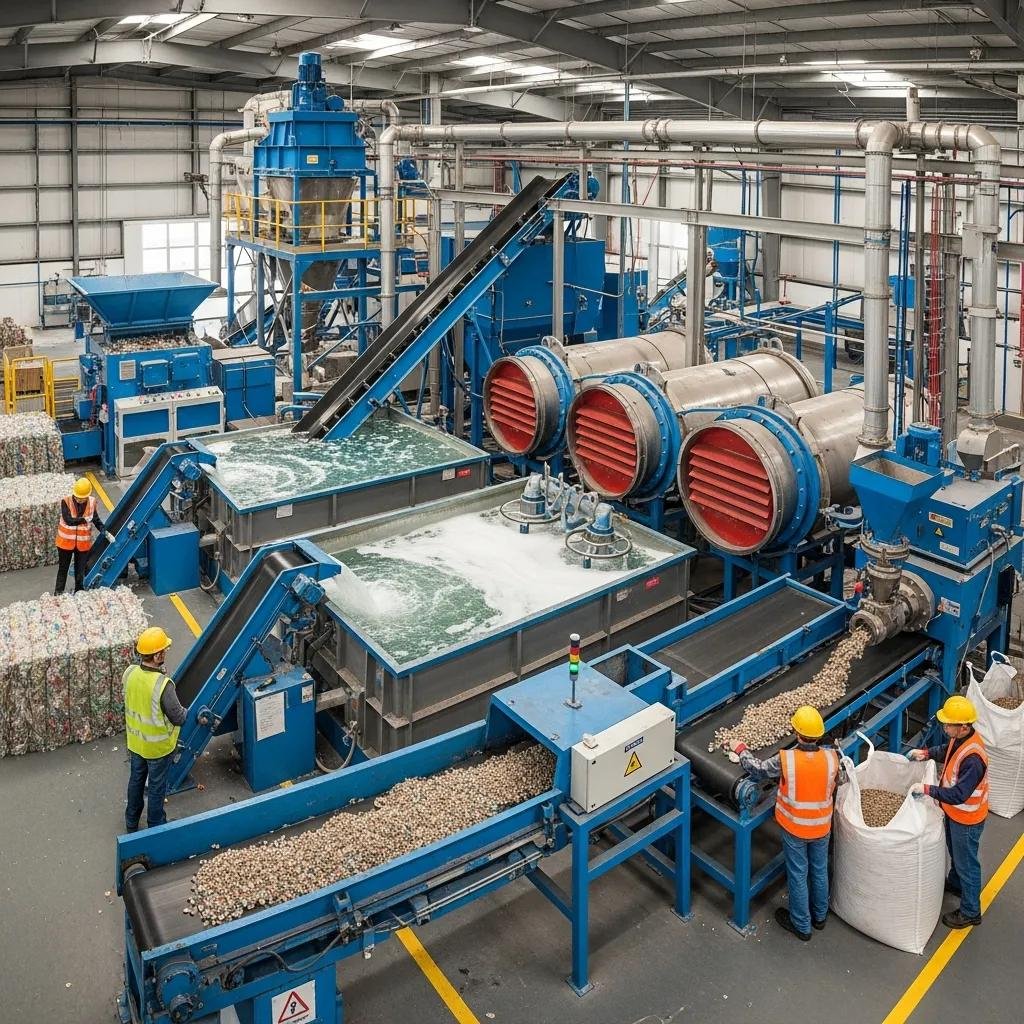
An industrial plastic film recycling plant operates through a series of well-defined steps that ensure efficient processing of plastic waste. The entire operation is designed to maximize output while minimizing environmental impact.
The recycling process begins with the collection of plastic films, which are then sorted and shredded into smaller pieces. Following shredding, the plastic is washed to remove any contaminants, such as dirt and labels. After washing, the plastic is dried to eliminate moisture before being fed into the pelletizing machine, where it is transformed into pellets. This step-by-step process is crucial for producing high-quality recycled materials that can be used in various applications.
A plastic film recycling line consists of several key components, including shredders, washing tanks, drying systems, and pelletizers. Each component plays a vital role in the overall efficiency of the recycling process. Shredders reduce the size of the plastic, washing tanks remove contaminants, drying systems ensure moisture is eliminated, and pelletizers convert the cleaned plastic into usable pellets. Understanding the function of each component helps in optimizing the recycling line for better performance.
Evergreen’s plastic film recycling machines offer several advantages that make them particularly suitable for the Nigerian market. These machines are designed to enhance efficiency, durability, and user-friendliness, making them an excellent choice for local businesses.
Evergreen’s machines are engineered for ease of use, allowing operators to quickly learn how to operate them effectively. High-performance features ensure that the machines can handle large volumes of plastic waste, while their durable construction guarantees longevity even in challenging operating conditions. This combination of user-friendliness and robust performance makes Evergreen’s machines a reliable investment for recycling operations.
In addition to high-quality machines, Evergreen provides after-sales support, including maintenance services and access to spare parts. This local support is crucial for ensuring that recycling operations run smoothly and efficiently. Furthermore, Evergreen offers customization options to tailor machines to specific recycling needs, enhancing their effectiveness in processing various types of plastic waste.
Setting up a plastic film recycling plant in Nigeria requires careful planning and consideration of various factors to ensure cost-effectiveness and sustainability.
When establishing a recycling plant, it is essential to select equipment that is well-suited for the types of plastic waste commonly found in Nigeria. Factors to consider include the volume of waste, the types of plastics being processed, and the desired output quality. Choosing the right machines will optimize the recycling process and enhance profitability.
Investing in a plastic film recycling plant involves initial costs for equipment, installation, and operational expenses. However, the potential returns can be significant, especially as demand for recycled materials continues to grow. By conducting a thorough cost analysis and understanding the market dynamics, businesses can make informed decisions that lead to successful recycling operations.
To ensure the longevity and efficiency of plastic film recycling machines, regular maintenance and support are essential.
Routine maintenance practices include regular inspections, cleaning, and timely replacement of worn parts. Establishing a maintenance schedule helps prevent unexpected breakdowns and extends the lifespan of the machines. Operators should be trained to perform basic maintenance tasks to keep the machines in optimal condition.
Access to spare parts and technical support is crucial for minimizing downtime in recycling operations. Evergreen provides local support, ensuring that businesses can quickly obtain the necessary parts and assistance when needed. This local presence enhances the reliability of recycling operations and supports the growth of the industry in Nigeria.
| Machine Type | Function | Key Features |
|---|---|---|
| Pelletizer | Converts shredded plastic into pellets | High efficiency, user-friendly operation |
| Granulator | Breaks down plastic into smaller flakes | Versatile, suitable for various plastics |
| Crusher | Reduces size of plastic films | Durable construction, high throughput |
The table above summarizes the key functions and features of different types of plastic film recycling machines, highlighting their importance in the recycling process.
Plastic film recycling is a vital component of sustainable waste management in Nigeria. By utilizing efficient recycling machines, businesses can contribute to environmental conservation while also benefiting economically. Evergreen’s machines stand out for their performance, durability, and local support, making them an ideal choice for those looking to invest in recycling solutions.
Plastic Machine Deli
Comprehensive Guide
Plastic Machine Succ
Find Plastic Machine