
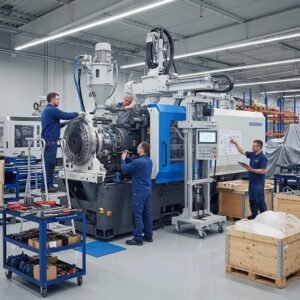
Plastic Machine Delivery and Logistics to Nigeria
Plastic Machine Deli
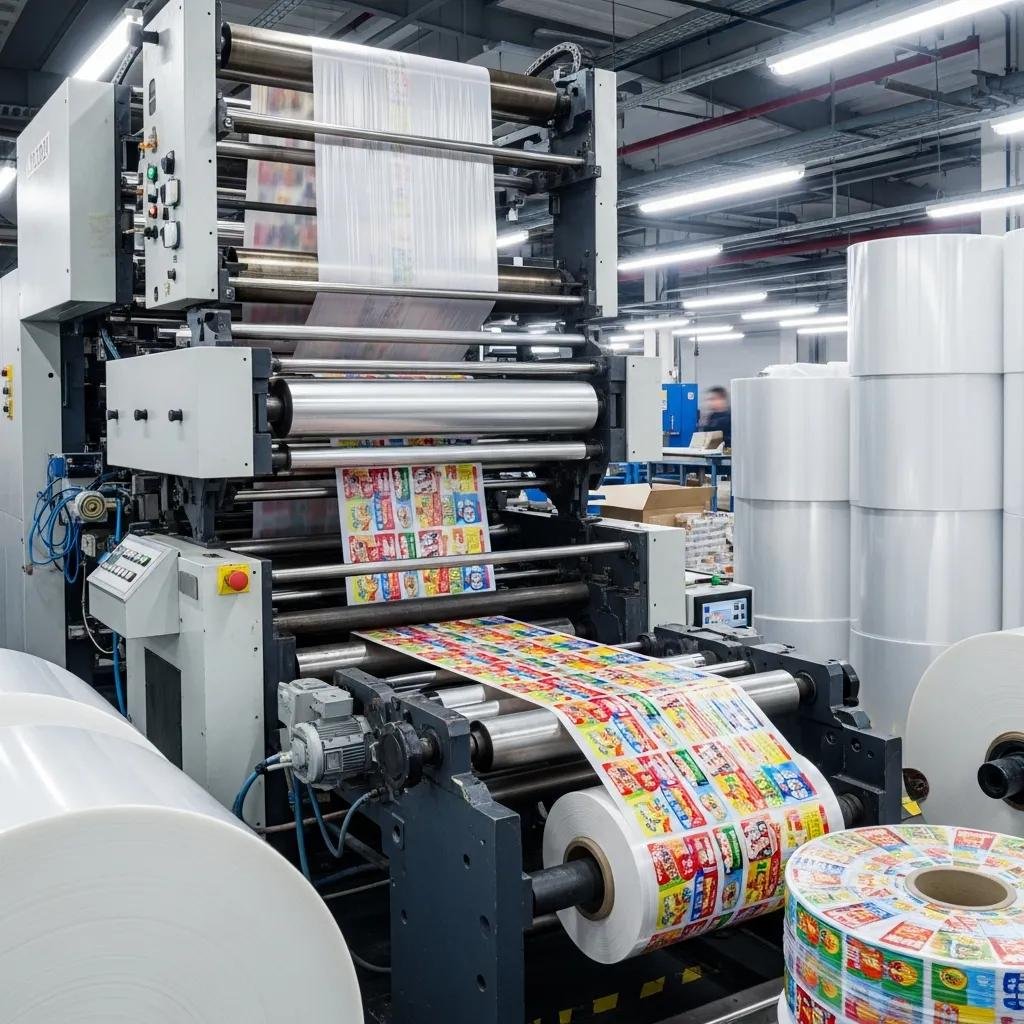
High-speed flexo printing machines are revolutionizing the plastic packaging industry by offering efficient, high-quality printing solutions. This comprehensive guide will delve into the workings, types, features, and applications of these machines, specifically tailored for Nigerian businesses. As the demand for plastic packaging continues to rise, understanding the capabilities of flexo printing technology becomes essential for manufacturers looking to enhance their production processes. This article will explore the mechanics of flexo printing, the various types of machines available, their specifications, and how they can be effectively utilized in Nigeria’s growing plastic film and packaging sector. Additionally, we will discuss the costs associated with these machines and provide insights on selecting and maintaining them for optimal performance.
A high-speed flexo printing machine is a type of rotary printing press that uses flexible relief plates to transfer ink onto various substrates, including plastic films. This technology operates by applying ink to the raised surfaces of the printing plates, which then make contact with the substrate, creating vibrant and precise images. The flexibility of the plates allows for high-speed production, making it ideal for large-scale printing operations. Flexographic printing is particularly advantageous for plastic films due to its ability to print on a wide range of materials while maintaining high-quality output.
Flexographic printing is widely used for plastic films, including polyethylene and polypropylene, due to its versatility and efficiency. The process allows for the printing of intricate designs and vibrant colors, making it suitable for packaging applications such as food wrappers, bags, and labels. The quick-drying inks used in flexo printing also contribute to faster production speeds, which is crucial for meeting the demands of the fast-paced packaging industry.
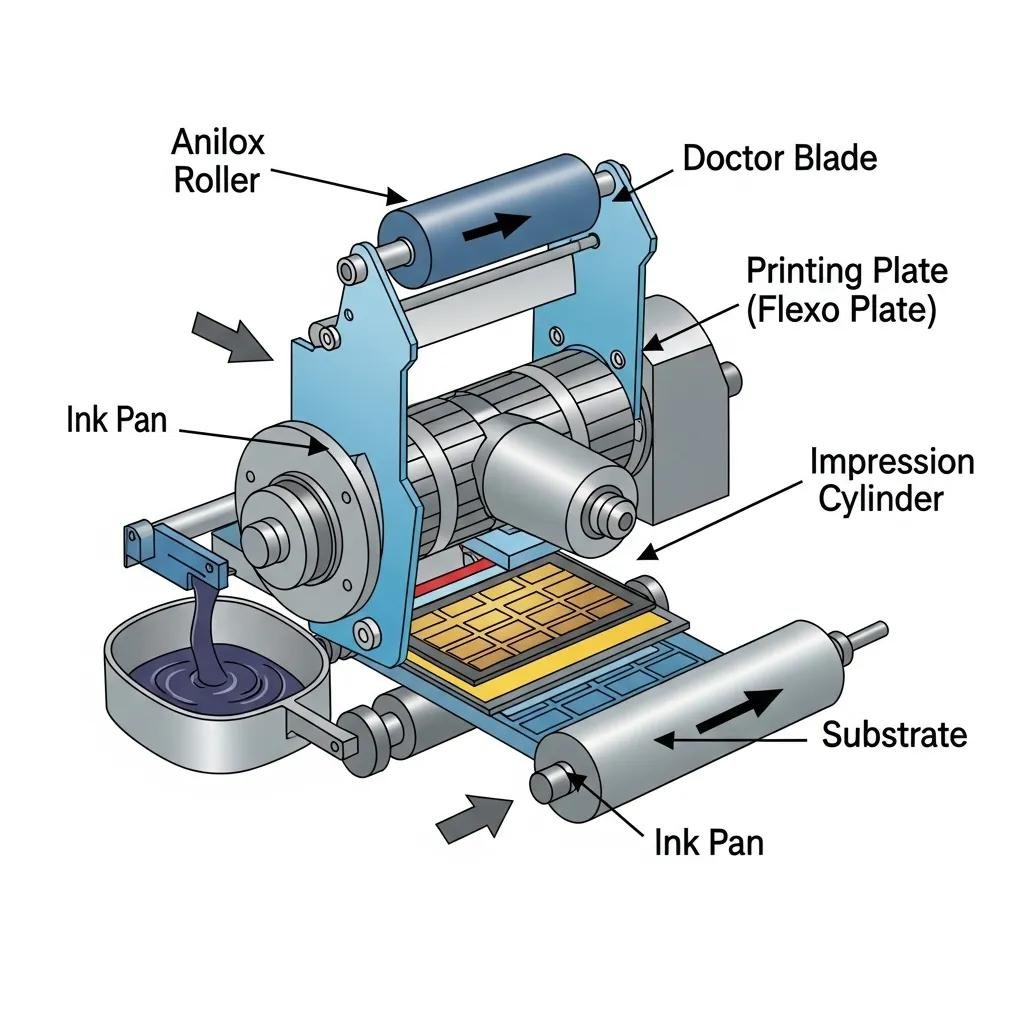
Key components of a flexo printing machine include the anilox roller, doctor blade, and printing plate. The anilox roller is responsible for transferring a precise amount of ink to the printing plate, while the doctor blade ensures that excess ink is removed, preventing smudging. The printing plate, typically made of photopolymer, is where the image is created and is crucial for achieving high-quality prints. Understanding these components is essential for optimizing the performance of flexo printing machines.
When it comes to plastic packaging, several types of flexo printing machines are available, each with its unique advantages. The most common types include central impression (CI) presses, stack presses, and inline presses. Each type is designed to cater to specific printing needs and production volumes.
The differences between CI, stack, and inline flexo presses lie in their design and functionality. CI presses feature a central cylinder that allows for high-speed printing and excellent registration, making them ideal for long runs. Stack presses, on the other hand, have multiple printing stations stacked vertically, which is beneficial for shorter runs and quick changeovers. Inline presses combine printing, die-cutting, and finishing processes in one machine, offering versatility for various packaging applications.
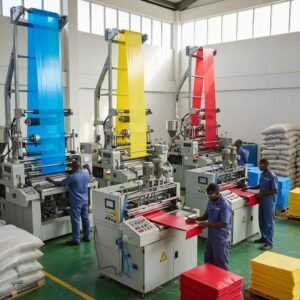
Multi-color flexo printing machines enhance plastic film printing by allowing for the simultaneous application of multiple ink colors. This capability is essential for creating eye-catching designs that attract consumers. The ability to print in multiple colors also enables brands to maintain consistency in their packaging, which is crucial for brand recognition and marketing.
High-speed flexo printing machines are characterized by several key features and specifications that enhance their performance. These include printing speeds, color capacities, and drying mechanisms.
Printing speeds for high-speed flexo machines can range from 150 to 500 meters per minute, depending on the model and application. Additionally, these machines can accommodate various color capacities, typically ranging from one to ten colors, allowing for complex designs and vibrant prints. The choice of printing speed and color capacity will depend on the specific requirements of the packaging project.
Flexo printing machines utilize various drying mechanisms, including UV, hot air, and infrared drying systems, to ensure quick ink drying and prevent smudging. Automatic registration systems are also commonly employed to maintain precise alignment of colors during the printing process, which is critical for achieving high-quality results.
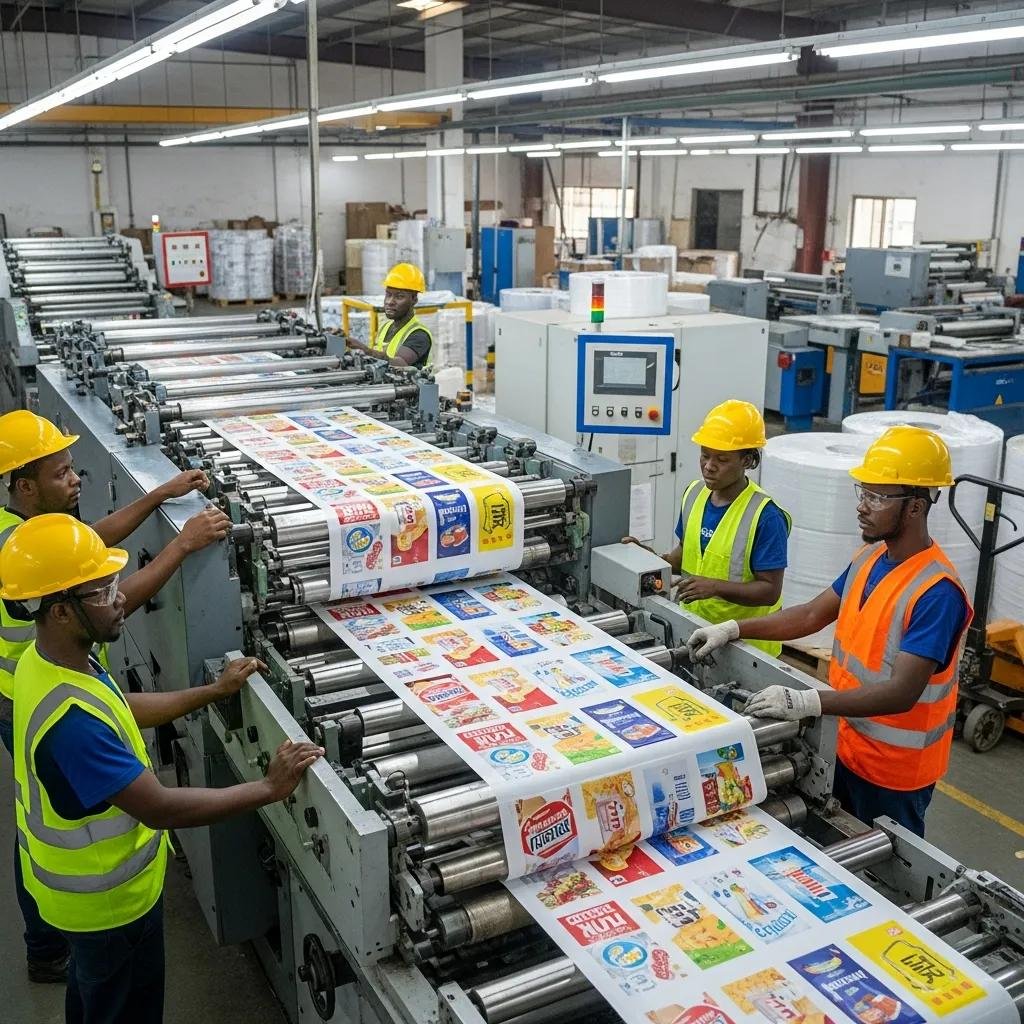
In Nigeria, flexo printing machines play a vital role in the plastic film and packaging industry. They are used to produce a wide range of products, including food packaging, shopping bags, and labels. The growing demand for sustainable and high-quality packaging solutions has led to an increased adoption of flexo printing technology among local manufacturers.
Flexo printing machines are compatible with various plastic materials, including polyethylene, polypropylene, and polyvinyl chloride (PVC). These materials are commonly used in packaging applications due to their durability and versatility. Understanding the compatibility of different plastics with flexo printing technology is essential for manufacturers to optimize their production processes.
Flexo printing offers several benefits for Nigerian plastic packaging businesses, including cost-effectiveness, high-speed production, and the ability to print on a variety of substrates. The technology also allows for quick changeovers between jobs, which is essential for meeting the diverse needs of clients. Additionally, the high-quality prints produced by flexo machines enhance the visual appeal of packaging, contributing to better marketability.
For those seeking high-quality flexo printing solutions, China Evergreen Machinery Co., Ltd. provides a range of advanced flexo printing machines designed to meet the specific needs of the Nigerian market. Their expertise in manufacturing plastic film and bag production equipment ensures that businesses can achieve optimal results in their packaging operations.
Understanding the cost and return on investment (ROI) of flexo printing machines is crucial for Nigerian businesses looking to invest in this technology. The initial investment can vary significantly based on the machine’s specifications and capabilities.
Typical price ranges for flexo printing machines in Nigeria can vary from $30,000 to $200,000, depending on the machine’s features, size, and production capacity. Businesses should consider their production needs and budget when selecting a machine to ensure they make a sound investment.
To calculate ROI for flexo printing equipment, businesses should consider factors such as production costs, labor savings, and increased sales from improved packaging quality. A simple ROI formula can be applied:
By analyzing these factors, businesses can make informed decisions about their investments in flexo printing technology.
Choosing the right flexo printing machine involves considering several factors, including production volume, material compatibility, and budget constraints. Proper maintenance and support are also essential for ensuring the longevity and efficiency of the equipment.
When selecting a flexo printing machine, businesses should consider factors such as the types of materials they will be printing on, the desired printing speed, and the complexity of the designs. Additionally, evaluating the machine’s features, such as color capacity and drying mechanisms, can help ensure that it meets production requirements.
Regular maintenance of flexo printers is crucial for optimal performance. Key maintenance tasks include cleaning the anilox roller, checking the doctor blade, and ensuring that the printing plates are in good condition. Troubleshooting common issues, such as ink smudging or registration problems, can often be resolved by adjusting the machine settings or replacing worn components.
| Feature | Specification | Value |
|---|---|---|
| Printing Speed | High-speed | 150-500 m/min |
| Color Capacity | Multi-color | 1-10 colors |
| Drying Mechanism | Types | UV, hot air, infrared |
Flexo printing technology is essential for the plastic packaging industry in Nigeria, offering numerous advantages that can enhance production efficiency and product quality. By understanding the various types of flexo printing machines, their features, and how to maintain them, businesses can make informed decisions that will lead to successful packaging solutions.
Plastic Machine Deli
Comprehensive Guide
Plastic Machine Succ
Find Plastic Machine