
Plastic Machine Delivery and Logistics to Nigeria
Plastic Machine Deli
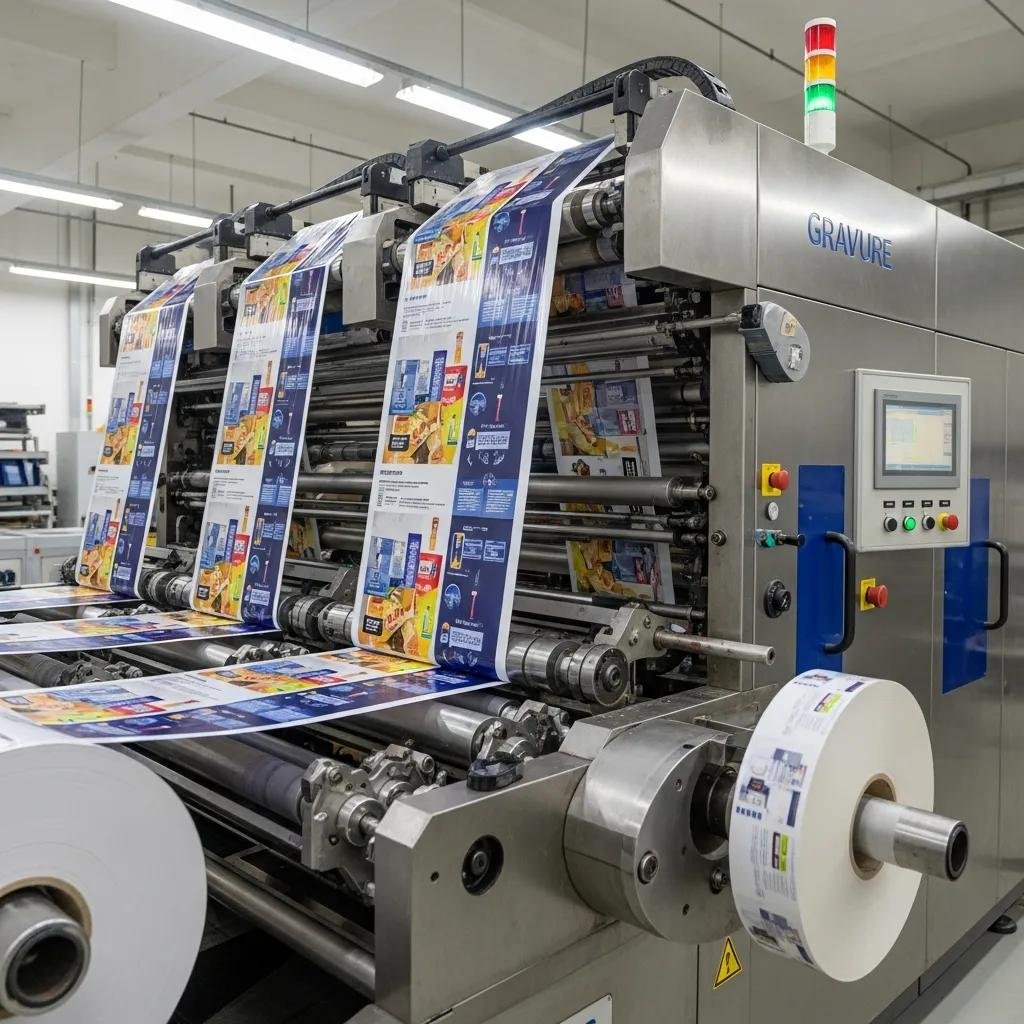
Gravure printing is a sophisticated printing technology that plays a crucial role in the packaging industry, particularly for businesses in Nigeria. This comprehensive guide will delve into the intricacies of precision gravure printing machines, their benefits, and how they can enhance packaging quality. Readers will learn about the operational mechanisms of these machines, the various types available, and the factors to consider when selecting the right one for their business needs. Many Nigerian businesses face challenges in achieving high-quality packaging that meets market demands. Precision gravure printing machines offer a solution by providing superior print quality and efficiency. This article will explore the benefits of gravure printing, the types of machines available, and practical tips for maintenance and troubleshooting.
Gravure printing is a high-quality printing process that utilizes engraved cylinders to transfer ink onto various substrates, making it ideal for packaging applications. This method is known for its ability to produce vibrant colors and intricate designs, which are essential for attracting consumers. The gravure printing process works by transferring ink from the engraved cells on the cylinder to the substrate, ensuring a consistent and high-quality print. The benefits of gravure printing for packaging include enhanced print quality, cost-effectiveness for large runs, and versatility in material usage.
A gravure printing machine operates through a series of steps that ensure precise ink transfer. The process begins with the preparation of engraved cylinders, which are coated with ink. As the cylinder rotates, the excess ink is removed by a doctor blade, leaving ink only in the engraved cells. The substrate is then pressed against the cylinder, allowing the ink to transfer onto the material. This method ensures high-quality prints with sharp details and vibrant colors, making it suitable for various packaging applications, including flexible packaging and labels.
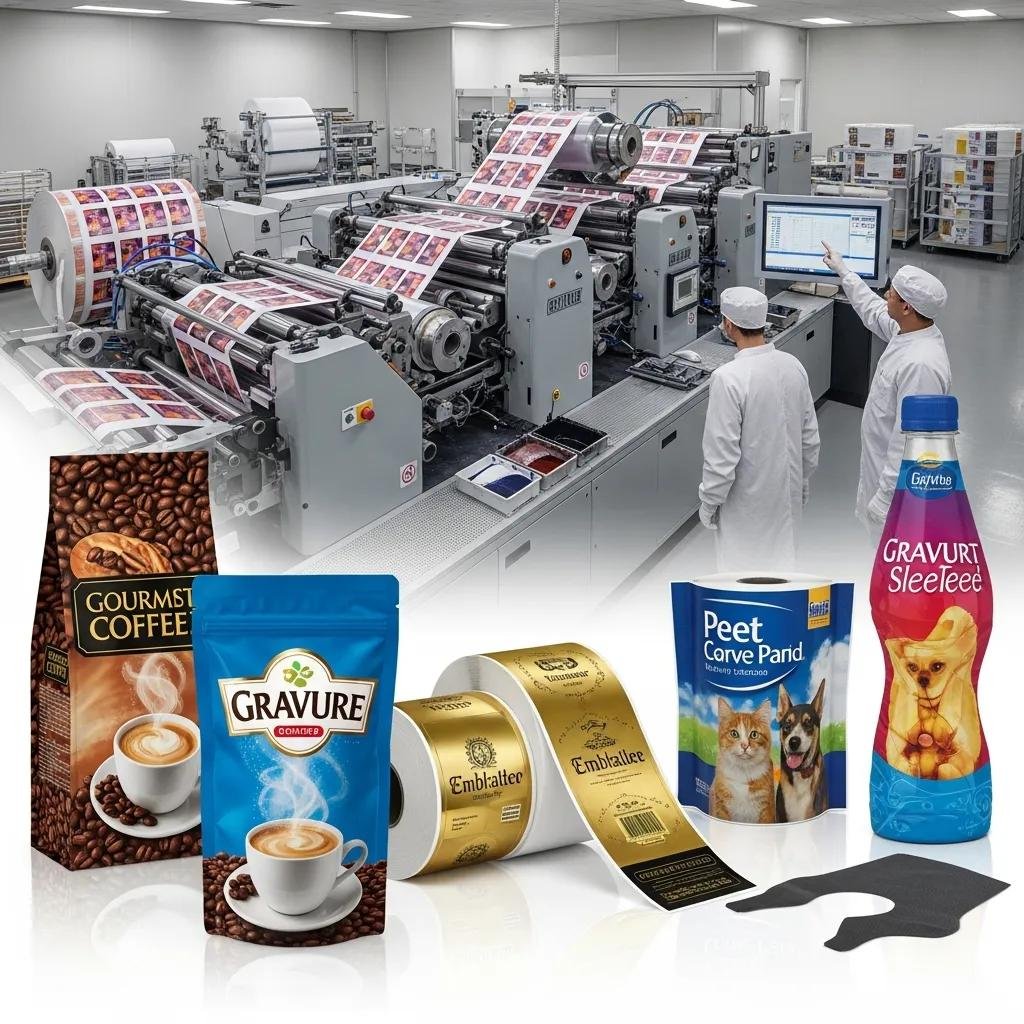
Gravure printing offers several advantages for flexible packaging, making it a preferred choice for many manufacturers. Firstly, it provides high-quality print output, ensuring that colors are vibrant and details are sharp. Secondly, gravure printing is versatile, allowing for the use of various materials, including plastic films and paper. Additionally, it is cost-effective for large production runs, as the setup costs are offset by the high-speed printing capabilities. Businesses utilizing gravure printing have experienced increased customer satisfaction due to the superior quality of their packaging.
When selecting a gravure printing machine for packaging, it is essential to consider the different types available and their specific applications. The two primary types of gravure printing machines are the Engraved Line Screen (ELS) and the Multi-Line Screen (MLS) machines. Each type has unique features that cater to different printing needs.
The differences between ELS and MLS gravure printing machines lie in their engraving techniques and applications. ELS machines utilize a single line screen for engraving, which is suitable for high-quality prints with fine details. In contrast, MLS machines use multiple line screens, allowing for more complex designs and color variations. The choice between ELS and MLS machines depends on the specific requirements of the packaging project, such as the desired print quality and production speed.
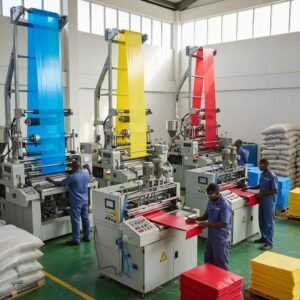
Multi-color gravure printers play a significant role in enhancing packaging designs by allowing for the sequential printing of multiple colors. This capability enables businesses to create eye-catching designs that stand out on store shelves. The use of multi-color printing also allows for greater flexibility in design, as brands can incorporate intricate graphics and vibrant colors that appeal to consumers. Market trends indicate that packaging with high-quality multi-color prints significantly influences purchasing decisions, making it a valuable investment for businesses.
Choosing the right gravure printing machine for packaging in Nigeria involves several considerations to ensure that the selected equipment meets the specific needs of the business. Factors such as print quality, production speed, and material compatibility are crucial in making an informed decision.
When selecting a gravure printer, Nigerian businesses should consider features such as speed and efficiency, which directly impact production output. Additionally, material compatibility is essential, as different substrates may require specific printing technologies. Other features to evaluate include the machine’s ease of operation, maintenance requirements, and the availability of technical support from the manufacturer.
Pricing and return on investment (ROI) are critical factors in the decision-making process for gravure machine investments. Businesses must analyze the initial costs of purchasing a gravure printing machine against the potential savings and increased revenue from improved packaging quality. A well-chosen machine can lead to significant cost savings in the long run, making it a worthwhile investment for businesses looking to enhance their packaging capabilities.
Gravure printing has a wide range of applications in Nigeria’s packaging industry, serving various sectors such as food and beverage, cosmetics, and industrial packaging. Its versatility makes it suitable for different packaging formats, including flexible pouches, labels, and cartons.
In the food and beverage sector, gravure printing is commonly used for packaging materials that require high-quality graphics and durability. This method ensures that packaging not only looks appealing but also meets safety standards for food contact. Gravure-printed packaging materials help preserve product freshness and extend shelf life, making them essential for food manufacturers.
Gravure printing plays a significant role in cosmetics and industrial packaging by providing high-quality prints that enhance brand visibility. In the cosmetics industry, attractive packaging is crucial for attracting consumers, and gravure printing allows for intricate designs and vibrant colors. Similarly, industrial packaging benefits from the durability and quality of gravure-printed materials, ensuring that products are well-protected during transportation and storage.
Proper maintenance and troubleshooting of precision gravure printing machines are essential for ensuring optimal performance and longevity. Regular maintenance practices can prevent common issues and enhance the machine’s efficiency.
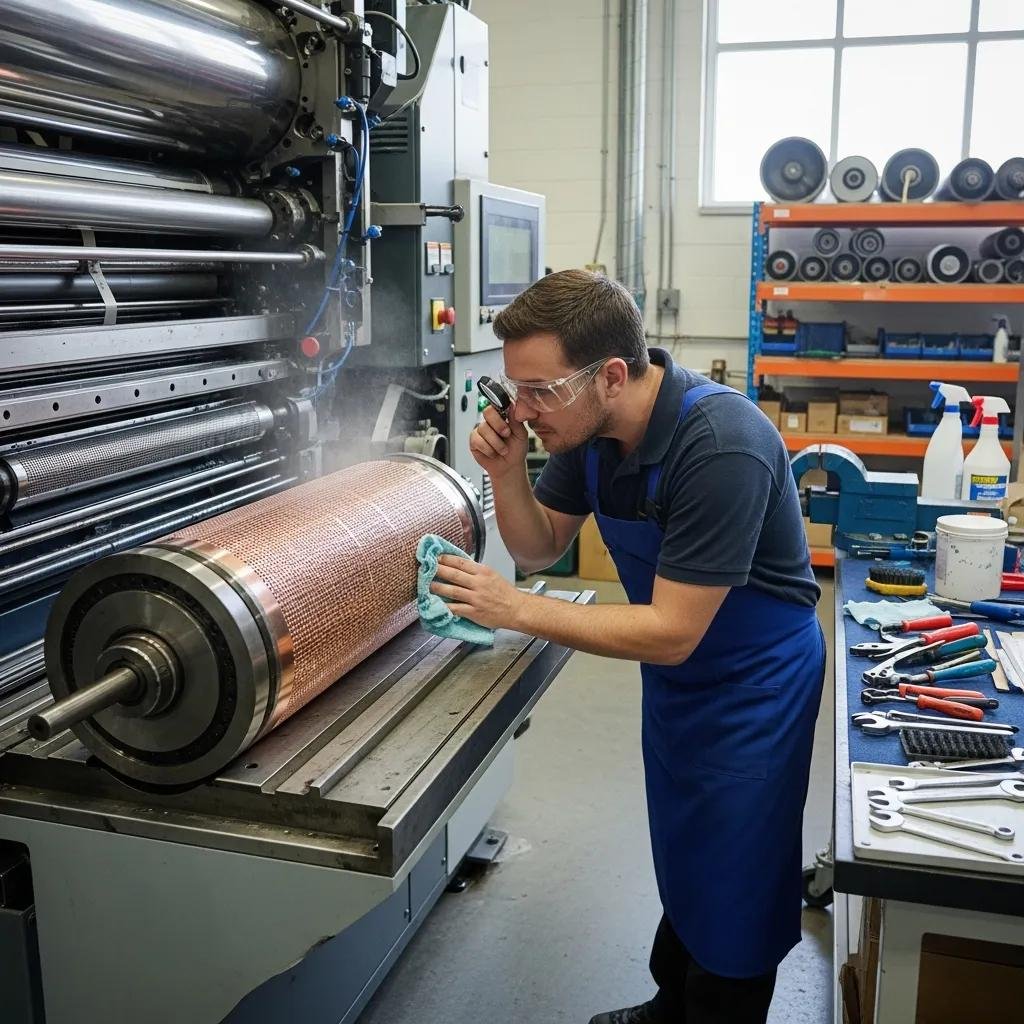
Common maintenance practices for gravure printing equipment include routine checks of the engraved cylinders, ink systems, and doctor blades. Regular cleaning of the machine components is also crucial to prevent ink buildup and ensure consistent print quality. Additionally, businesses should establish a maintenance schedule to address any potential issues before they escalate.
Identifying and resolving typical gravure printing defects is vital for maintaining print quality. Common defects include ink smudging, color inconsistencies, and registration errors. To resolve these issues, operators should conduct thorough inspections of the printing process, adjust ink viscosity, and ensure proper alignment of the printing cylinders. Implementing a quality control system can also help detect defects early and maintain high standards.
Gravure printing and flexo printing are two popular methods used in the packaging industry, each with its advantages and disadvantages. Understanding the differences between these technologies can help businesses make informed decisions based on their specific needs.
The key differences between gravure and flexo printing technologies lie in their printing processes and applications. Gravure printing uses engraved cylinders for ink transfer, resulting in high-quality prints with fine details. In contrast, flexo printing utilizes flexible relief plates, making it suitable for a wider range of substrates but often at a lower print quality compared to gravure. Businesses should consider their specific packaging requirements when choosing between these two methods.
When evaluating quality and efficiency, gravure printing often outperforms flexo printing for high-volume production runs. The ability to produce consistent, high-quality prints at high speeds makes gravure printing a preferred choice for many packaging applications in Nigeria. However, for smaller runs or specific substrates, flexo printing may offer more flexibility and cost-effectiveness.
| Machine Type | Features | Applications |
|---|---|---|
| ELS | High-quality prints, fine details | Flexible packaging, labels |
| MLS | Multi-color printing, complex designs | High-end packaging, promotional materials |
Plastic Machine Deli
Comprehensive Guide
Plastic Machine Succ
Find Plastic Machine