
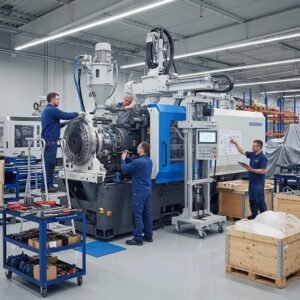
Plastic Machine Delivery and Logistics to Nigeria
Plastic Machine Deli
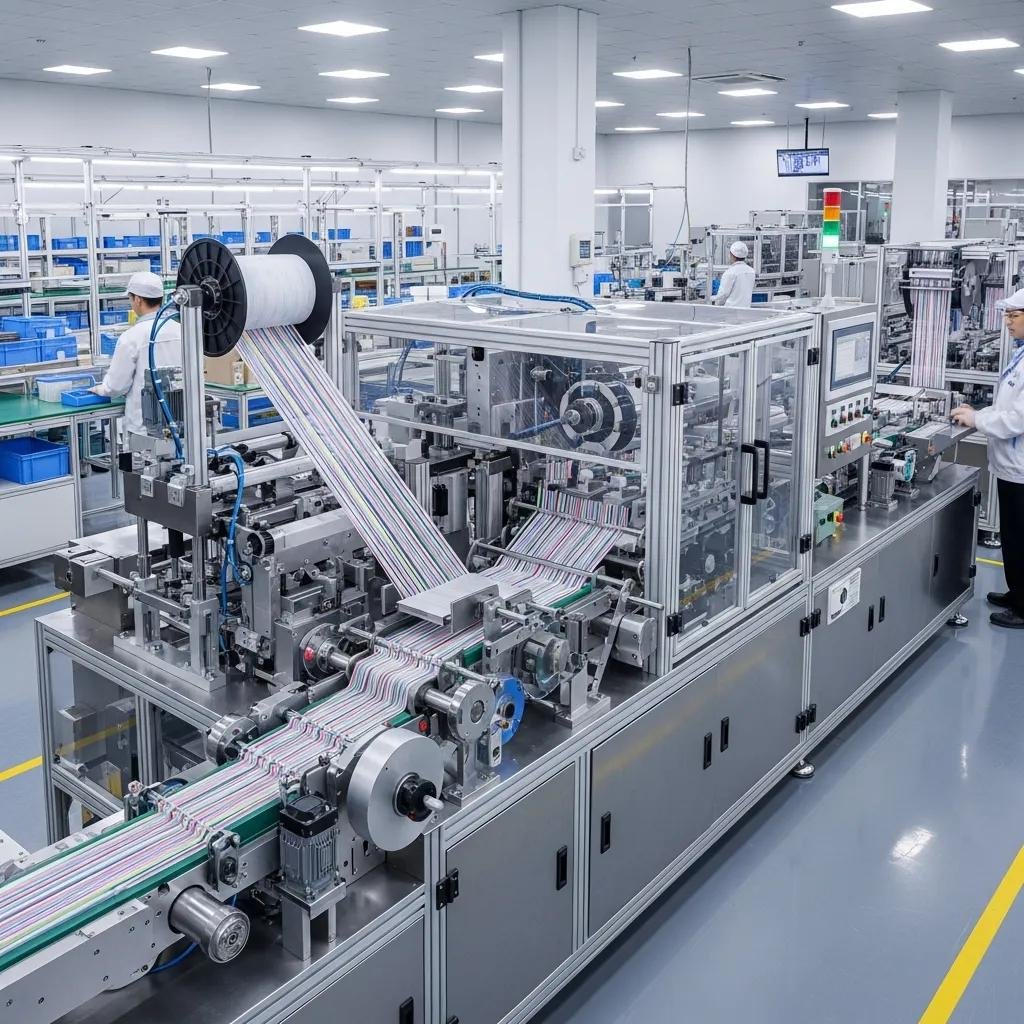
The automatic drinking straw making machine is a vital piece of equipment for businesses looking to enter the growing market of disposable straws. This comprehensive guide will explore the various types of machines available, the manufacturing process, and the benefits of investing in this technology, particularly for Nigerian businesses. As the demand for eco-friendly and efficient production methods increases, understanding the capabilities of these machines becomes essential. This article will cover the types of automatic drinking straw making machines, the manufacturing process, the advantages of biodegradable options, maintenance tips, and where to purchase these machines in Nigeria.
Automatic drinking straw making machines are specialized devices designed to produce straws efficiently and at scale. These machines can vary significantly in terms of the materials they use and their production capabilities. The primary types include plastic straw machines, paper straw machines, and PLA (polylactic acid) straw machines. Each type serves different market needs and environmental considerations.
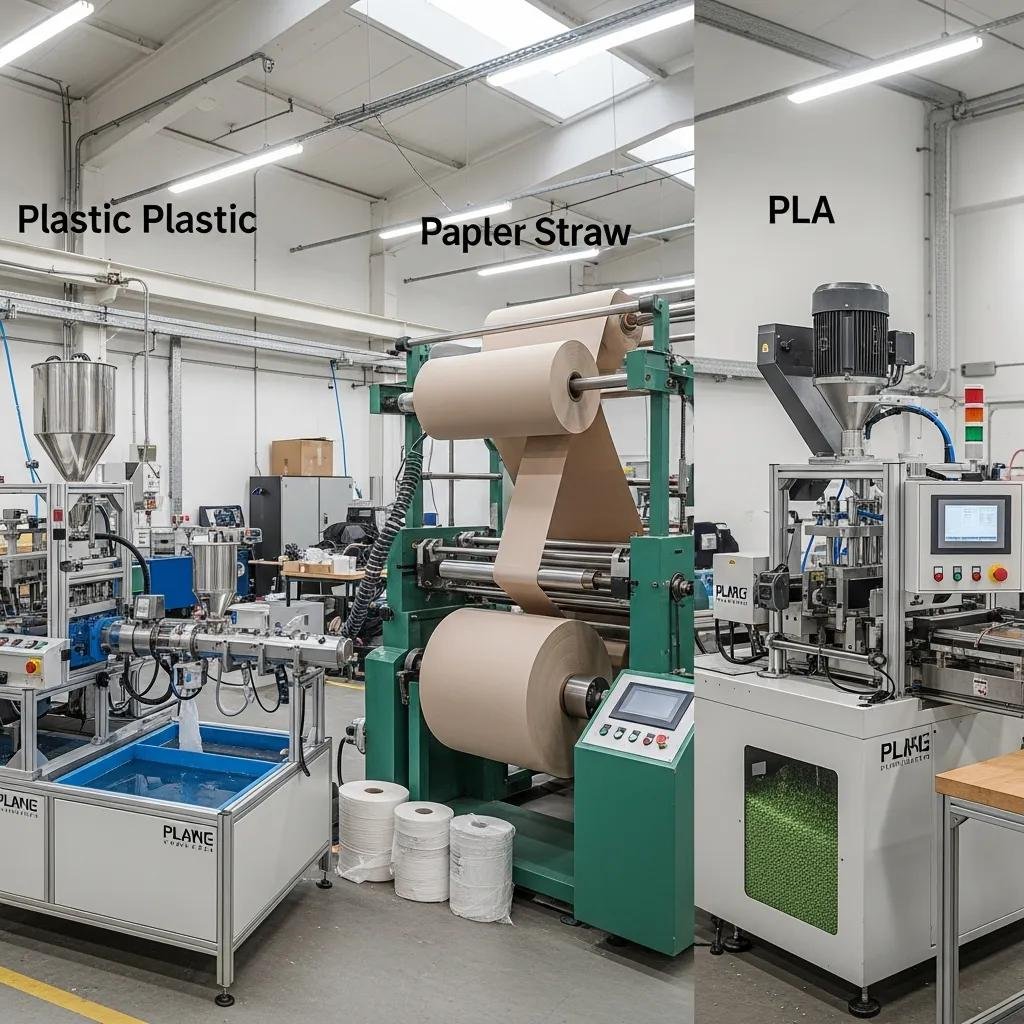
Plastic straw machines primarily use polypropylene or polystyrene as their raw material, allowing for high-speed production and durability. In contrast, paper straw machines utilize biodegradable paper, catering to the growing demand for eco-friendly products. PLA straw machines, on the other hand, use plant-based polylactic acid materials, offering a sustainable alternative to traditional plastic straws. Each machine type has unique production processes and applications, making it essential for businesses to choose the right one based on their target market.
High-speed straw machines are equipped with advanced features that enhance their efficiency and output. Key features include:
Understanding these features helps businesses select machines that align with their production goals.
The process begins with extrusion, where raw materials are melted and shaped into long tubes. This is followed by cooling, which solidifies the straws, ensuring they maintain their shape. Finally, cutting mechanisms slice the extruded material into the desired straw lengths. Each stage is crucial for producing high-quality straws that meet market standards.
Raw materials such as polypropylene and PLA play a significant role in the production of drinking straws. Polypropylene is favored for its strength and flexibility, making it ideal for traditional plastic straws. In contrast, PLA, derived from renewable resources like corn starch or sugarcane, is increasingly used in eco-friendly straw production. Understanding the properties and sourcing of these materials is essential for businesses aiming to optimize production quality.
The initial investment for a plastic straw making machine can vary widely, typically ranging from $5,000 to $30,000 depending on capacity and features, but the potential profitability is significant. With operating costs relatively low and a high demand for straws, businesses can expect a favorable return on investment. Conducting a thorough cost analysis can help entrepreneurs understand the financial landscape of straw manufacturing in Nigeria.
Local after-sales service is crucial for Nigerian customers investing in straw making machines. Companies like China Evergreen Machinery Co., Ltd. provide essential support, ensuring that businesses can maintain their equipment and minimize downtime. This local presence enhances customer satisfaction and builds trust in the brand.
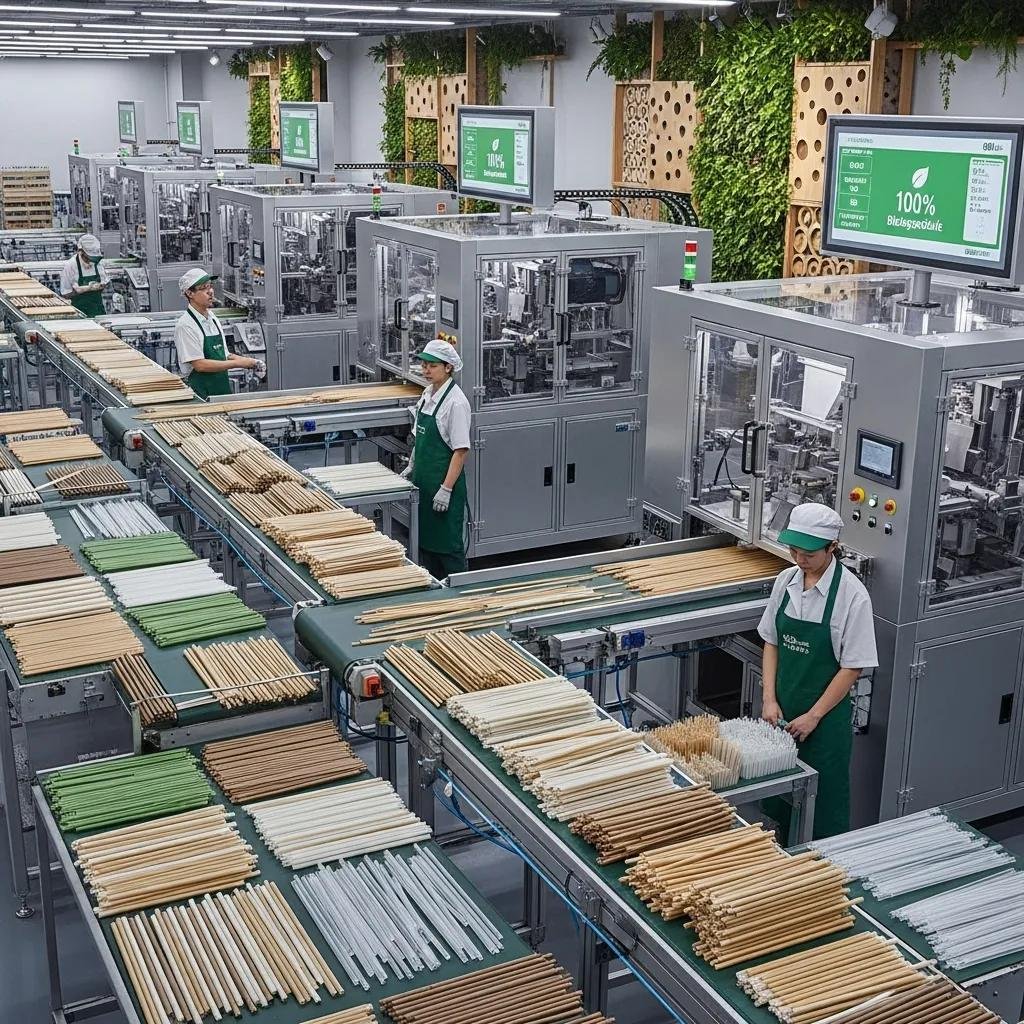
PLA and paper straw machines support environmental goals by reducing plastic waste and promoting the use of renewable materials. These machines help businesses align with global sustainability initiatives, appealing to environmentally conscious consumers.
Biodegradable straw machines come with various production capacities, allowing businesses to scale their operations according to demand. Key features often include:
Understanding these features is essential for businesses looking to invest in environmentally friendly production methods.
Regular maintenance practices include:
Implementing these practices can significantly enhance machine performance and reliability.
Common issues with straw making machines may include inconsistent straw lengths or production halts. Identifying these problems often involves:
By understanding these common problems and their solutions, operators can maintain efficient production.
To request a quote from China Evergreen Machinery Co., Ltd., businesses should:
Understanding delivery and warranty terms is crucial for Nigerian buyers. Typically, companies like China Evergreen Machinery Co., Ltd. offer:
| Machine Type | Material Used | Production Capacity |
|---|---|---|
| Plastic Straw Machine | Polypropylene or Polystyrene | Up to 10,000 straws/hour |
| Paper Straw Machine | Biodegradable Paper | Up to 5,000 straws/hour |
| PLA Straw Machine | Polylactic Acid | Up to 8,000 straws/hour |
This table illustrates the differences in production capacities among various straw making machines, helping businesses choose the right equipment for their needs.
Investing in automatic drinking straw making machines can significantly enhance production efficiency and meet the growing demand for straws in Nigeria. By understanding the types of machines available, the manufacturing process, and the benefits of biodegradable options, businesses can make informed decisions that align with market trends and consumer preferences.
Plastic Machine Deli
Comprehensive Guide
Plastic Machine Succ
Find Plastic Machine