
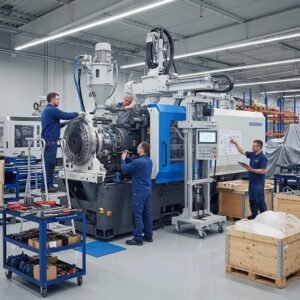
Plastic Machine Delivery and Logistics to Nigeria
Plastic Machine Deli
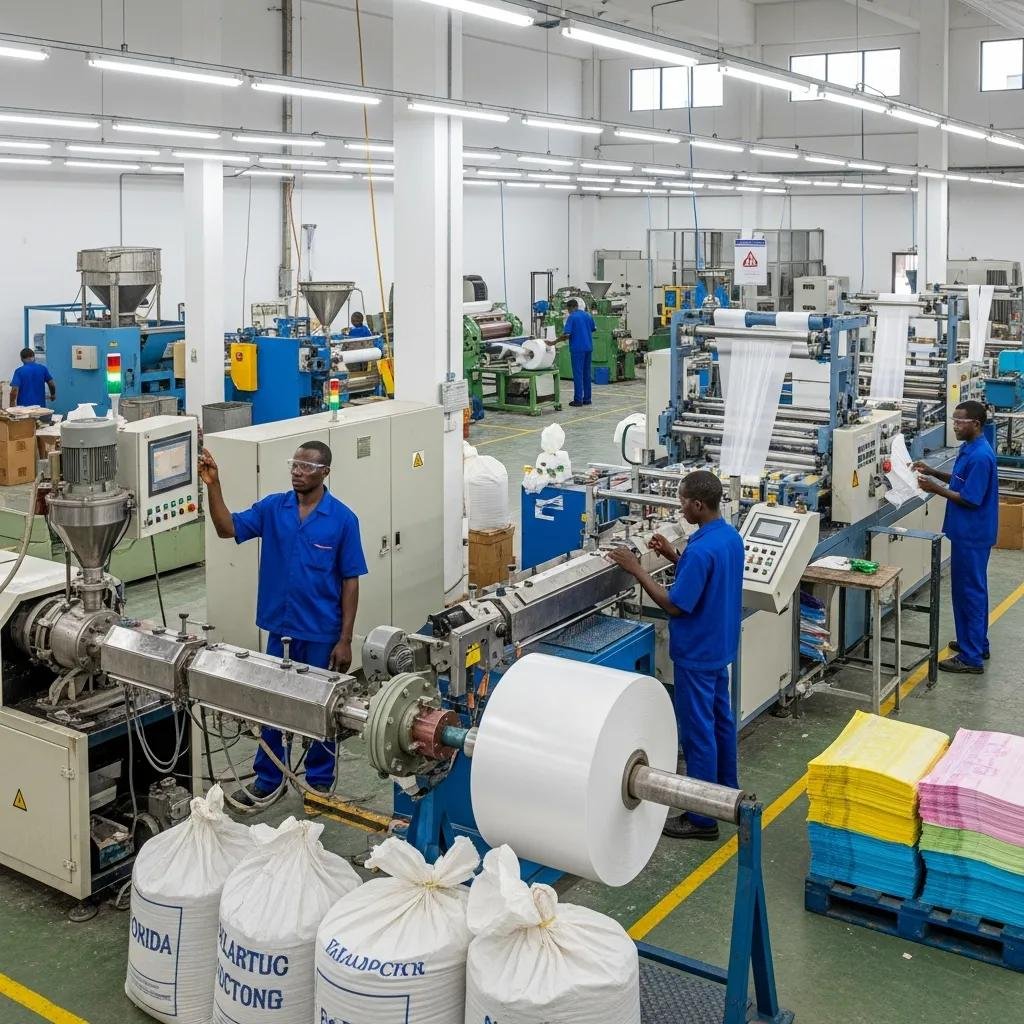
Plastic bag manufacturing is a vital industry in Nigeria, providing essential packaging solutions for various sectors, including retail, food, and logistics. This comprehensive guide explores the machines, materials, and strategies necessary for success in the plastic bag manufacturing business. Readers will learn about the essential equipment, the types of raw materials used, and the steps to establish a successful manufacturing operation. As the demand for plastic bags continues to grow, understanding the intricacies of this industry is crucial for entrepreneurs and businesses alike. This article will cover the essential machines, raw materials, recycling solutions, business setup steps, and why China Evergreen Machinery is a key player in this market.
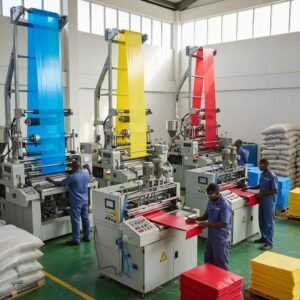
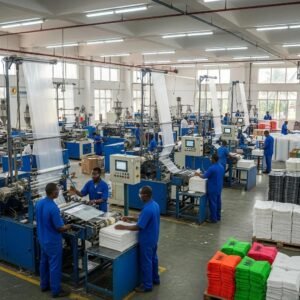
In Nigeria, several machines are crucial for the production of plastic bags, each serving specific functions in the manufacturing process. Understanding these machines is essential for anyone looking to enter the plastic bag manufacturing business. The primary machines include blown film extrusion machines and automatic plastic bag making machines, which streamline production and enhance efficiency.
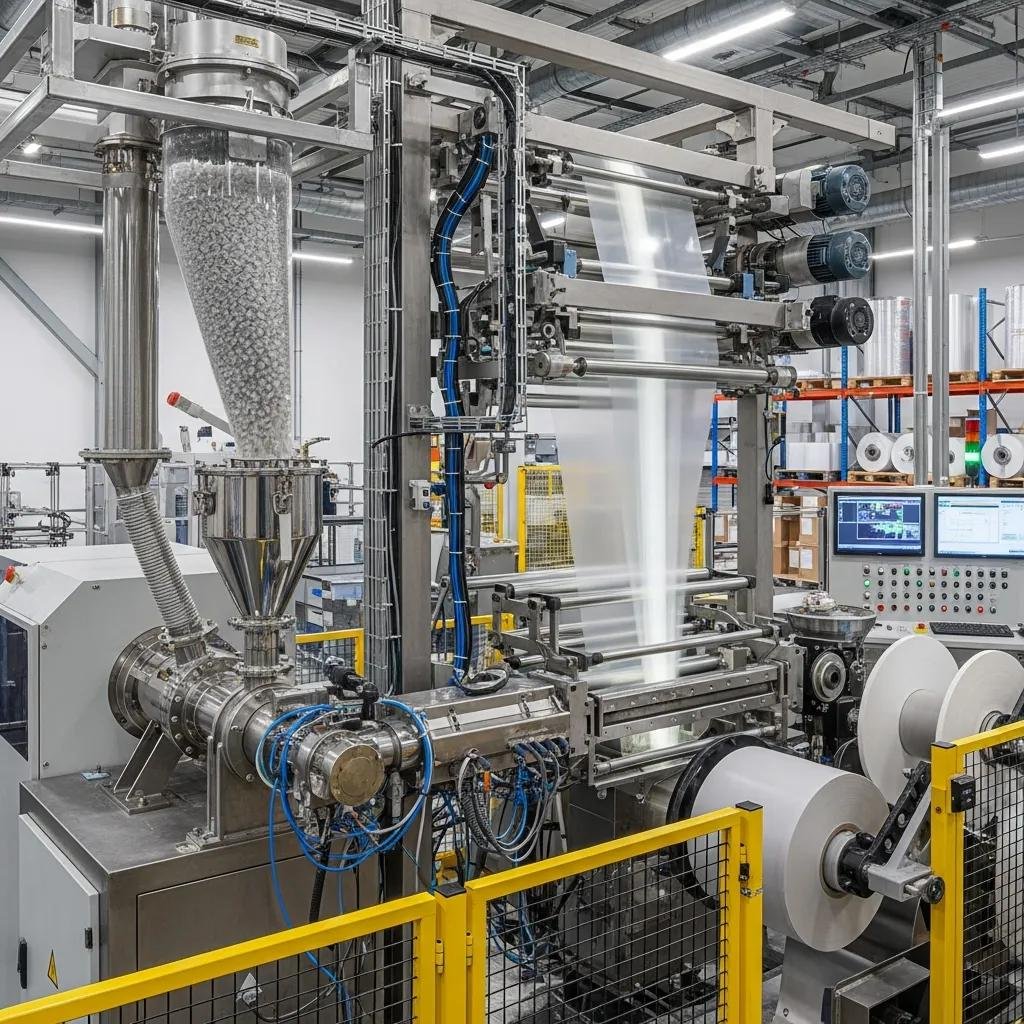
A blown film extrusion machine is fundamental in producing plastic films used for making bags. The process begins with plastic pellets being fed into a hopper, where they are heated and melted. The molten plastic is then extruded through a circular die, forming a thin film that is blown up to create a bubble. This bubble is cooled and flattened, resulting in a continuous sheet of plastic film. The benefits of using blown film extrusion include high production rates and the ability to create films of varying thicknesses, making it suitable for different bag types. Common applications include grocery bags, trash bags, and packaging films.
Automatic plastic bag making machines are designed to enhance production efficiency and reduce labor costs. Key features of these machines include:
Investing in automatic plastic bag making machines can lead to improved productivity and profitability in the manufacturing process.
The choice of raw materials is critical in plastic bag manufacturing, as it directly affects the quality and type of bags produced. The most commonly used materials include High-Density Polyethylene (HDPE), Low-Density Polyethylene (LDPE), and Polypropylene (PP). Each material has unique properties that make it suitable for specific applications.
HDPE, LDPE, and PP are the primary plastics used in bag production, each offering distinct characteristics:
Understanding these differences helps manufacturers select the appropriate material for their specific bag production needs.
The choice of raw materials significantly influences the types of plastic bags produced. For instance, HDPE is often used for thinner, more rigid bags like grocery and shopping bags, while LDPE is preferred for heavier-duty, stretchable bags such as produce bags and bread bags. Additionally, the properties of these materials affect the production techniques employed, such as the type of machine used and the processing conditions. Market demand also plays a role, as consumers increasingly seek eco-friendly options, prompting manufacturers to explore biodegradable alternatives.
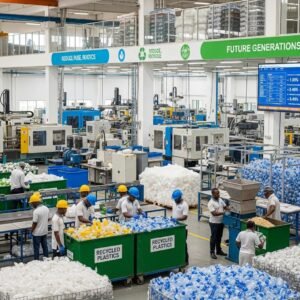
As environmental concerns grow, the role of plastic recycling machines in supporting sustainable manufacturing practices becomes increasingly important. These machines enable the recycling of plastic waste, reducing the environmental impact of plastic production and promoting a circular economy.
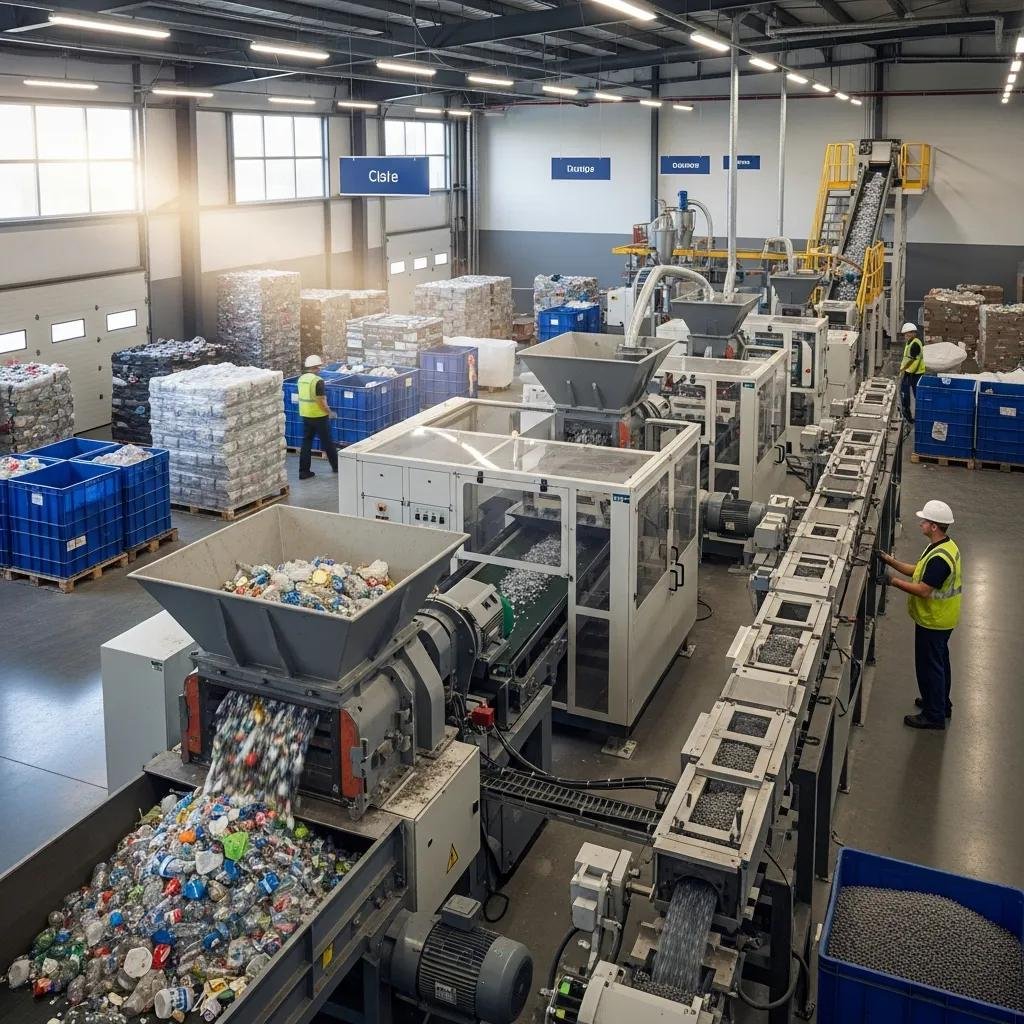
Nigerian businesses can access various types of plastic recycling equipment, including:
Investing in recycling equipment not only supports sustainability but also provides an opportunity for businesses to create new revenue streams from recycled materials.
Recycling plastic film significantly reduces environmental impact by diverting waste from landfills and decreasing the demand for virgin materials. This process conserves resources and energy, leading to lower production costs. Additionally, using recycled materials can enhance a company’s reputation as an environmentally responsible business, attracting eco-conscious consumers and clients.
Starting a plastic bag manufacturing business in Nigeria involves several critical steps, from planning to execution. Understanding these steps can help entrepreneurs navigate the complexities of the industry.
A well-structured business plan is essential for any manufacturing venture. Key components of a business plan for plastic bag production include:
A comprehensive business plan serves as a roadmap for success and is often required when seeking financing.
Sourcing machines and raw materials locally can significantly reduce costs and lead times. Potential sources include:
Establishing strong relationships with local suppliers can enhance operational efficiency and support business growth.
China Evergreen Machinery, operating as Kingdom Machinery in Nigeria, is a leading manufacturer and supplier of plastic film and bag production equipment. With a focus on the Nigerian market, the company has installed over 1,700 machines globally, providing both sales and after-sales service.
China Evergreen Machinery offers several unique value propositions for Nigerian clients:
These advantages position China Evergreen as a reliable partner for businesses in the plastic bag manufacturing sector.
After-sales service is crucial in the manufacturing industry, and China Evergreen Machinery excels in this area. The company provides:
This commitment to customer support enhances the overall value of partnering with China Evergreen Machinery.
As the plastic bag manufacturing industry grows, several common questions arise regarding equipment and operations. Addressing these questions can help potential manufacturers make informed decisions.
The cost of a plastic bag making machine in Nigeria varies based on the type and features. Generally, prices range from $5,000 to $50,000, depending on the machine’s capabilities and automation level. Factors influencing the price include the machine’s production capacity, brand, and additional features such as automation and customization options.
The return on investment (ROI) for plastic bag manufacturing equipment can be substantial, particularly when considering the growing demand for plastic bags. Factors affecting ROI include:
By carefully analyzing these factors, manufacturers can project their potential ROI and make informed investment decisions.
Plastic Machine Deli
Comprehensive Guide
Plastic Machine Succ
Find Plastic Machine