
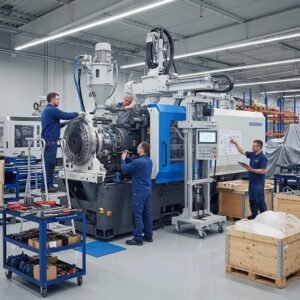
Plastic Machine Delivery and Logistics to Nigeria
Plastic Machine Deli
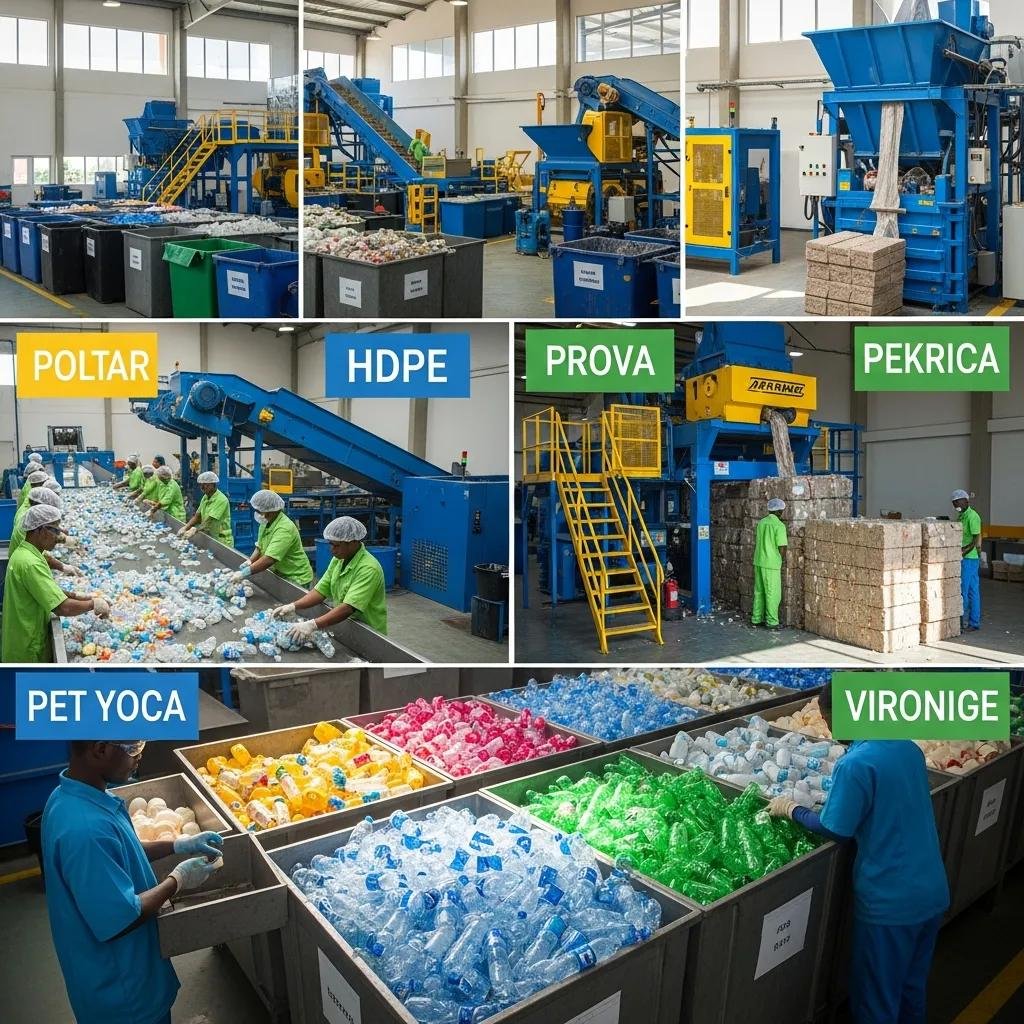
Plastic recycling is a critical component of sustainable waste management, especially in Nigeria, where plastic waste has become a pressing environmental issue. This comprehensive guide explores the various plastic recycling solutions available in Nigeria, focusing on the machinery, waste management practices, and the broader implications for the circular economy. Readers will learn about the current challenges and opportunities in plastic waste management, essential recycling machinery, and the steps businesses can take to establish effective recycling plants. As Nigeria grapples with increasing plastic waste, understanding these solutions is vital for promoting sustainability and economic growth. This article will cover the current state of plastic waste management, essential machinery for recycling, how to start a recycling plant, the benefits of recycling, and where to find reliable machinery and support services.

Plastic waste management in Nigeria faces significant challenges, including inadequate infrastructure, limited public awareness, and insufficient regulatory enforcement. The country generates approximately 2.5 million tons of plastic waste annually, with only about 10% being recycled. However, recent initiatives, such as proposed bans on single-use plastics by 2025, present opportunities for improving recycling efforts and reducing plastic pollution.
The 2025 plastic ban aims to reduce single-use plastics, which could significantly impact recycling initiatives. By limiting the production and use of certain plastics, the ban encourages the development of alternative materials and promotes recycling as a viable solution. This regulatory change is expected to increase recycling rates as businesses and consumers adapt to new practices and seek sustainable options.
Nigeria’s plastic waste primarily consists of polyethylene (PE), polypropylene (PP), and polyethylene terephthalate (PET), commonly found in packaging materials, bottles, and disposable items. Major sources of plastic waste include households, commercial establishments, and industrial activities. Understanding the types and sources of plastic waste is crucial for developing effective recycling strategies and improving waste management practices.
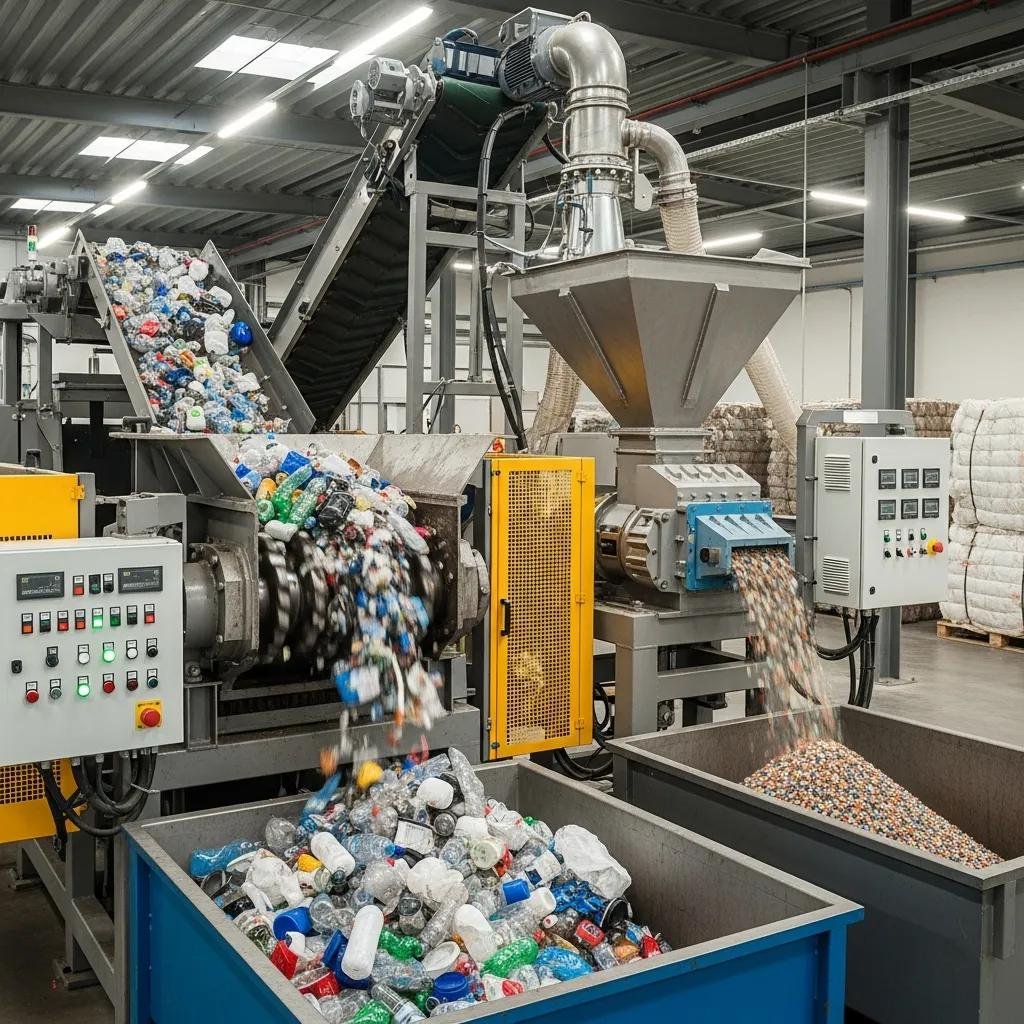
To effectively process plastic waste, specific machinery is essential. This includes plastic crushers, granulators, and recycling machines that facilitate the transformation of waste into reusable materials. Each type of machinery plays a vital role in the recycling process, ensuring that plastic waste is efficiently converted into valuable resources.
Plastic crushers are designed to break down large plastic items into smaller pieces, making them easier to handle and process. Granulators further reduce the size of plastic waste into granules, which can then be melted and reformed into new products. Recycling machines combine these processes, allowing for the efficient conversion of plastic waste into reusable materials, thus supporting the recycling ecosystem.
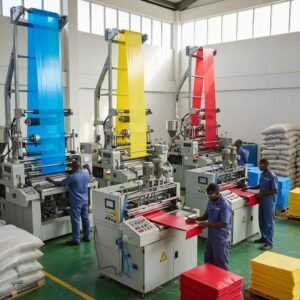
China Evergreen Machinery Co., Ltd. specializes in manufacturing and supplying plastic film and bag production equipment, including plastic recycling machines tailored for the Nigerian market. Their offerings include advanced machinery designed to meet the specific needs of local businesses, ensuring efficient waste processing and supporting Nigeria’s recycling initiatives. The company also provides after-sales support, helping businesses maintain their equipment for optimal performance.
Starting a plastic recycling plant in Nigeria involves several key steps, including market research, securing funding, and obtaining necessary permits. Understanding the regulatory landscape and establishing a solid business plan are crucial for success in this sector.
Regular maintenance is vital for the longevity and efficiency of recycling machines. China Evergreen Machinery offers comprehensive after-sales support, including maintenance services and technical assistance, ensuring that businesses can operate their recycling plants effectively. This support is crucial for minimizing downtime and maximizing productivity.
Investing in plastic recycling solutions offers numerous economic and environmental benefits. Recycling reduces the amount of plastic waste in landfills, conserves natural resources, and creates job opportunities in the recycling sector. Additionally, it contributes to the circular economy by promoting the reuse of materials and reducing the environmental impact of plastic production.
Plastic recycling plays a significant role in Nigeria’s circular economy by transforming waste into valuable resources. By recycling plastic, businesses can reduce their reliance on virgin materials, lower production costs, and minimize environmental harm. This shift towards a circular economy fosters sustainability and encourages responsible consumption patterns among consumers.
Investing in recycling initiatives can lead to significant job creation in various sectors, including collection, processing, and manufacturing. Additionally, recycling reduces pollution and conserves energy, contributing to a healthier environment. Studies indicate that for every job created in the recycling industry, several additional jobs are generated in related sectors, highlighting the economic potential of recycling investments.
Finding reliable plastic recycling machinery and support services is essential for businesses looking to enter the recycling sector. Several suppliers offer a range of equipment and services tailored to the Nigerian market.
China Evergreen Machinery serves major cities across Nigeria, including Lagos, Abuja, and Port Harcourt. Their extensive network ensures that businesses in these regions have access to high-quality recycling machinery and support services, facilitating the growth of the recycling industry.
When selecting a plastic recycling equipment supplier, consider the following factors:
By carefully evaluating these criteria, businesses can select the right supplier to support their recycling efforts effectively.
| Machinery Type | Function | Importance |
|---|---|---|
| Plastic Crusher | Breaks down large plastic items | Facilitates easier processing |
| Granulator | Reduces plastic to granules | Prepares material for recycling |
| Recycling Machine | Converts waste into reusable materials | Supports the recycling ecosystem |
Investing in plastic recycling solutions not only addresses the pressing issue of plastic waste in Nigeria but also promotes economic growth and environmental sustainability. By understanding the challenges and opportunities in plastic waste management, businesses can play a crucial role in fostering a circular economy and creating a cleaner, greener future for Nigeria.
Plastic Machine Deli
Comprehensive Guide
Plastic Machine Succ
Find Plastic Machine