
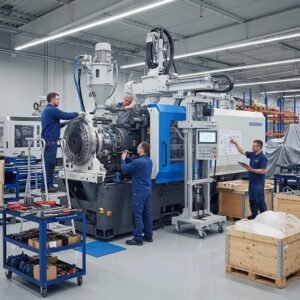
Plastic Machine Delivery and Logistics to Nigeria
Plastic Machine Deli
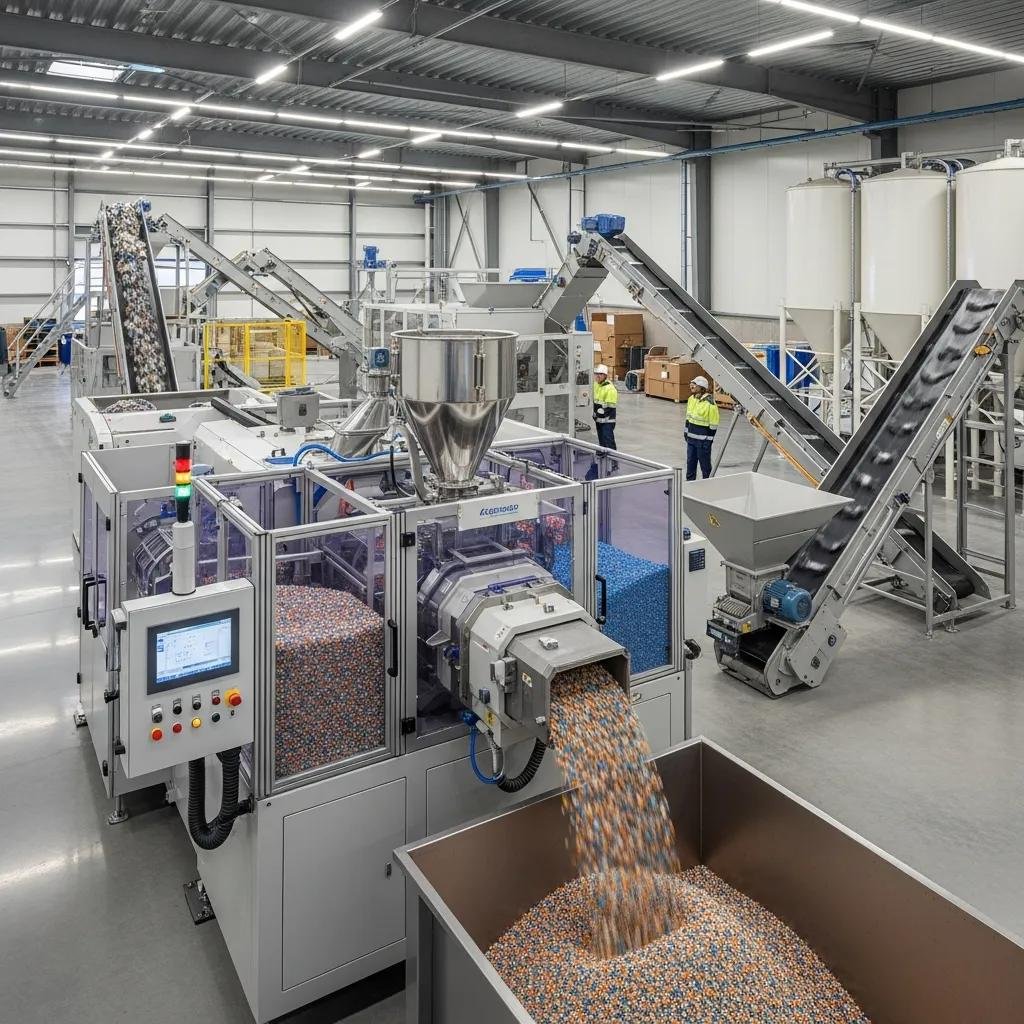
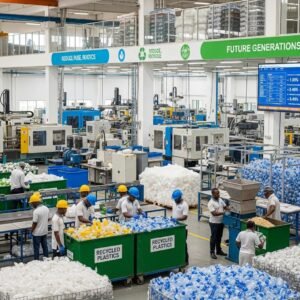
The increasing demand for sustainable practices in manufacturing has led to the development of advanced plastic pelletizing machine systems. These systems play a crucial role in the recycling process, transforming plastic waste into reusable pellets that can be utilized in various applications. This comprehensive guide will explore the mechanisms, types, and benefits of advanced plastic pelletizing machines, particularly in the context of Nigeria’s growing recycling industry. Many businesses face challenges in managing plastic waste effectively, and understanding how these machines work can provide a viable solution. We will delve into the plastic pelletizing process, the different types of machines available, and how to select the right system for your business needs.
Advanced plastic pelletizing machines are specialized systems designed to convert plastic waste into small, reusable pellets. These machines operate by melting down plastic materials and extruding them into uniform shapes, which are then cooled and cut into pellets. The importance of these machines lies in their ability to facilitate recycling, reduce plastic waste, and promote a circular economy. By efficiently processing various types of plastic waste, these machines contribute significantly to environmental sustainability and resource conservation.
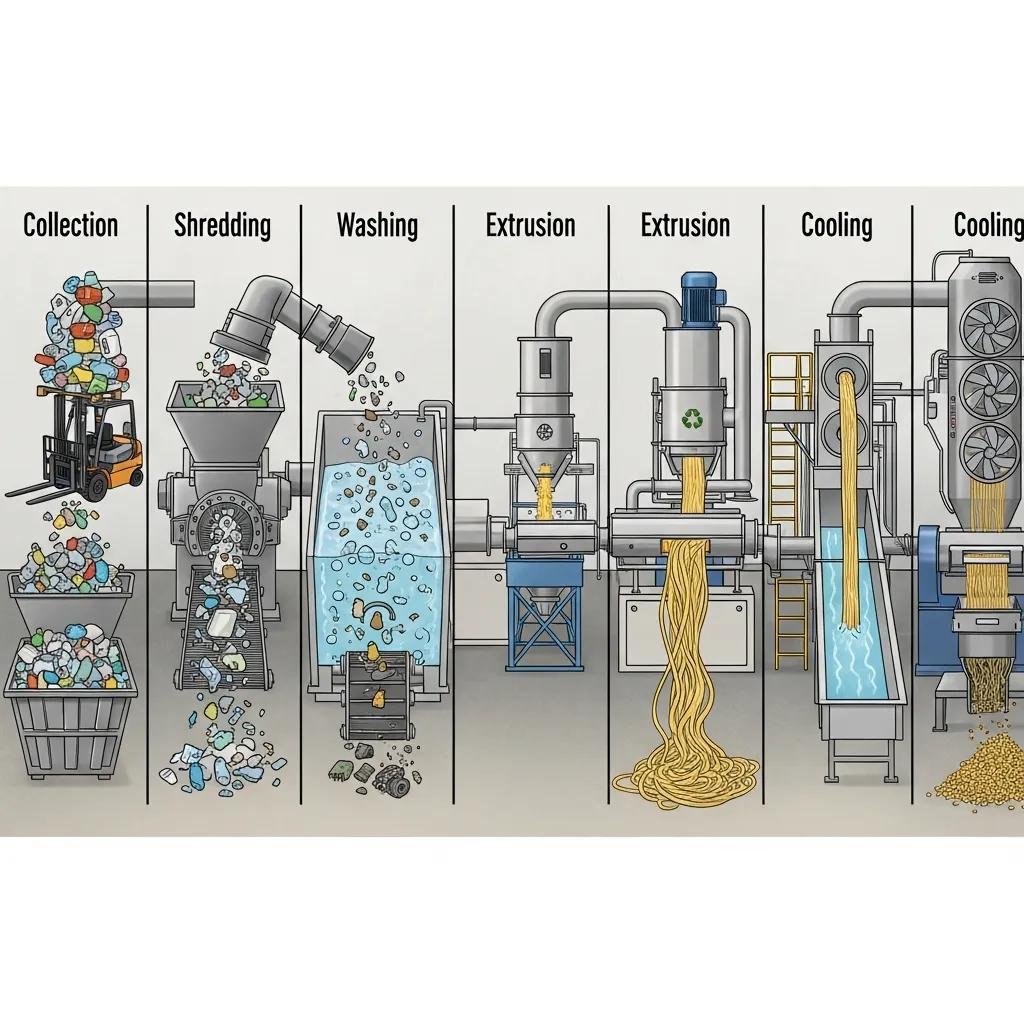
The plastic pelletizing process involves several key steps that transform waste into usable pellets:
This process not only recycles plastic waste but also creates high-quality pellets that can be used in various manufacturing applications.
Plastic pelletizing systems consist of several essential components that work together to ensure efficient operation:
Understanding these components is crucial for optimizing the performance and efficiency of plastic pelletizing machines.
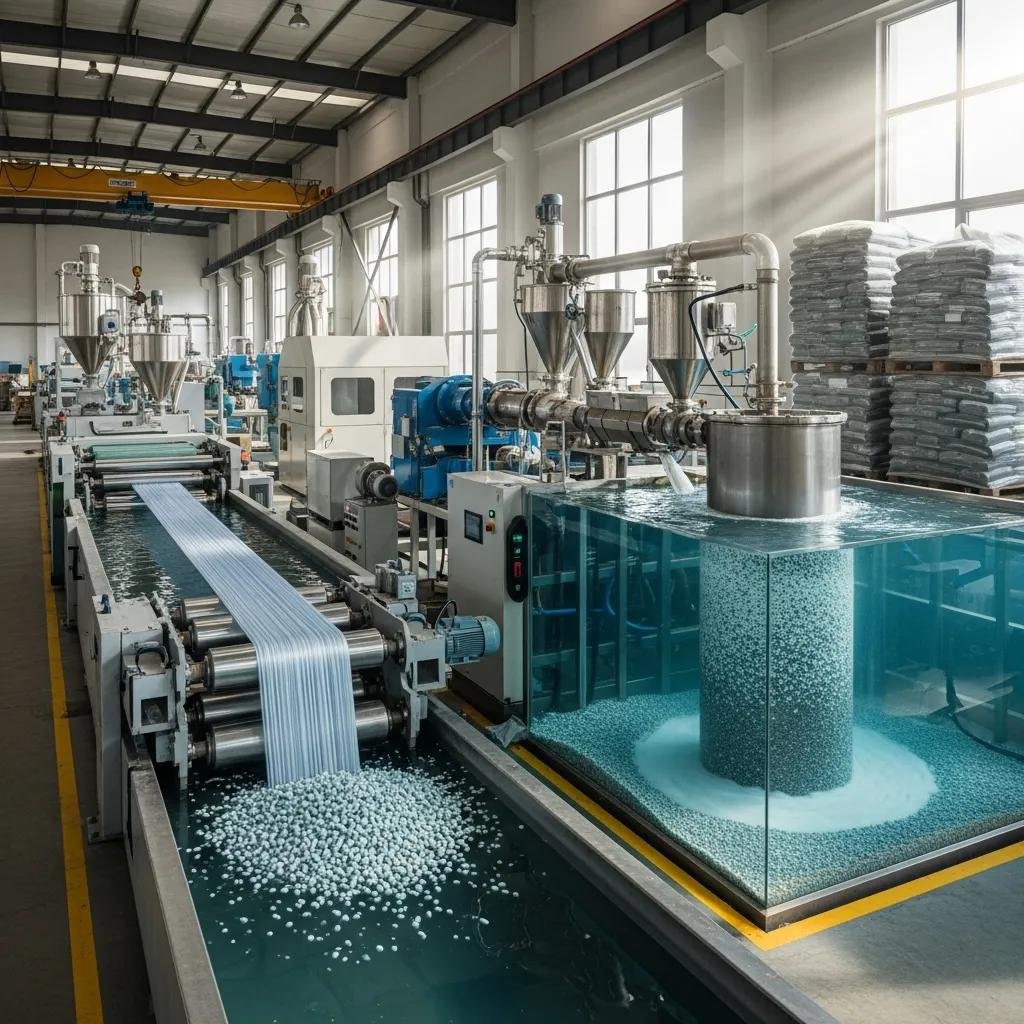
There are several types of plastic pelletizing machines, each designed for specific applications and materials. Understanding these types can help businesses choose the right system for their needs.
Strand pelletizers operate by extruding melted plastic into continuous strands, which are then cooled and cut into pellets. This type of machine is particularly effective for processing materials like polyethylene and polypropylene. The benefits of strand pelletizers include:
Water-ring and underwater pelletizers are designed to cool and cut extruded plastic in water, which enhances the quality of the pellets. The advantages of these systems include:
These pelletizers are particularly beneficial for processing materials that require precise temperature control or are prone to deformation.
Selecting the appropriate plastic pelletizing machine is crucial for maximizing efficiency and profitability in recycling operations. Several factors should be considered when making this decision.
Advanced pelletizers can effectively process a variety of plastic materials, including:
Understanding the types of plastics your business will process is essential for selecting the right machine.
When choosing a plastic pelletizing machine, several factors can influence capacity, cost, and return on investment (ROI):
Evaluating these factors will help businesses make informed decisions that align with their operational goals.
Implementing advanced plastic pelletizing systems offers numerous benefits for businesses in Nigeria, particularly in the context of sustainability and economic growth.
Pelletizing machines play a vital role in supporting Nigeria’s circular economy by:
These machines contribute significantly to Nigeria’s sustainability efforts and environmental goals.
The economic and operational advantages of using advanced plastic pelletizing systems include:
These advantages make advanced plastic pelletizing systems a valuable investment for Nigerian businesses.
Proper maintenance and support services are crucial for ensuring the longevity and performance of plastic pelletizing machines.
Local service providers can offer tailored maintenance solutions that enhance machine performance by:
These services are essential for maximizing the efficiency and lifespan of pelletizing machines.
To ensure the longevity of plastic pelletizing machines, businesses should implement the following maintenance practices:
Implementing these practices can significantly extend the life of pelletizing machines and enhance their operational efficiency.
Kingdom Machinery, operating as China Evergreen Machinery Co., Ltd., specializes in providing advanced plastic pelletizing solutions tailored to the Nigerian market.
Kingdom Machinery offers several unique features and warranty benefits, including:
These features make Kingdom Machinery a reliable partner for businesses looking to invest in plastic pelletizing systems.
Kingdom Machinery is committed to providing fast delivery and local after-sales service by:
This commitment to service enhances the overall customer experience and supports the successful implementation of plastic pelletizing systems in Nigeria.
| Component | Description | Importance |
|---|---|---|
| Extruder | Melts and processes plastic waste | Core of the pelletizing system |
| Filtration System | Removes impurities from melted plastic | Ensures high-quality pellets |
| Degassing Unit | Removes trapped gases during melting | Prevents defects in pellets |
| Cooling System | Cools extruded strands | Maintains pellet shape and quality |
In conclusion, advanced plastic pelletizing machine systems are vital for promoting sustainable practices in Nigeria’s recycling industry. By understanding the mechanisms, types, and benefits of these machines, businesses can make informed decisions that contribute to environmental sustainability and economic growth.
Plastic Machine Deli
Comprehensive Guide
Plastic Machine Succ
Find Plastic Machine