
Plastic Machine Delivery and Logistics to Nigeria
Plastic Machine Deli
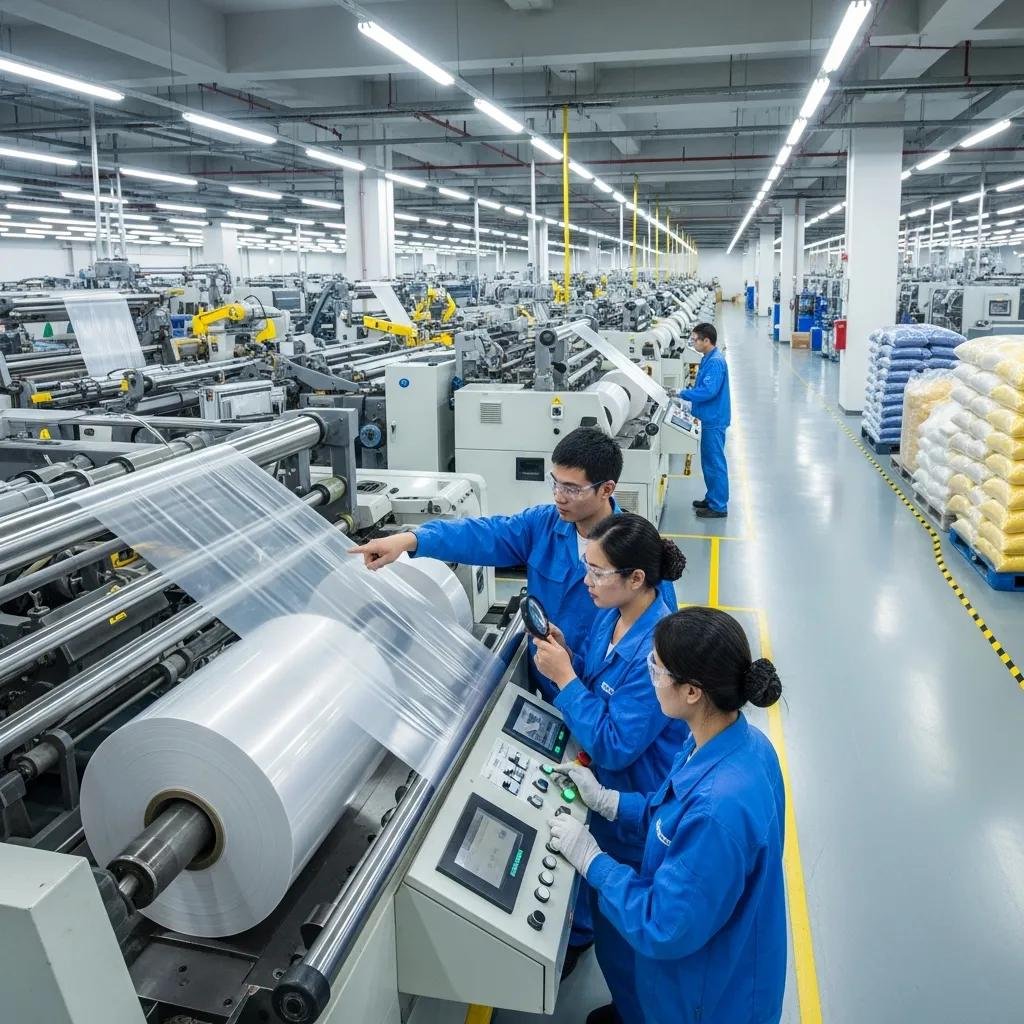
Quality control in plastic film production is crucial for ensuring that the final products meet the required specifications and performance standards. This article delves into the essential aspects of quality control, including the key properties of plastic films, testing methods, industry standards, common defects, and the role of blown film extrusion machines. Readers will gain insights into how these elements contribute to the overall quality and reliability of plastic films used in various applications. As the demand for high-quality plastic films continues to rise, understanding these quality control measures becomes increasingly important for manufacturers and consumers alike.
In this comprehensive guide, we will explore the critical properties that affect plastic film quality, the testing methods employed to ensure compliance with industry standards, and the common defects encountered during production. Additionally, we will discuss how blown film extrusion machines enhance quality control and examine emerging trends in the industry.
The quality of plastic film is influenced by several key properties that determine its performance in various applications. Understanding these properties is essential for manufacturers aiming to produce high-quality films that meet customer expectations.
Tensile strength refers to the maximum amount of stress a material can withstand while being stretched or pulled before breaking. Elongation, on the other hand, measures how much a material can stretch before it breaks. Both properties are critical in determining the film’s performance in applications such as packaging and industrial uses. High tensile strength ensures that the film can withstand mechanical stresses during handling and use, while adequate elongation allows the film to conform to various shapes without tearing. For instance, films used in food packaging must maintain integrity during transport and storage, making these properties vital for ensuring product safety and quality.
Thickness uniformity is essential for ensuring consistent performance across the entire film surface. Variations in thickness can lead to weak spots that may fail under stress, compromising the film’s integrity. Optical properties, such as clarity and gloss, are also crucial, especially for packaging applications where product visibility is important. For example, a film with poor optical clarity may not effectively showcase the product inside, leading to reduced consumer appeal. Studies have shown that films with consistent thickness and superior optical properties significantly enhance product presentation and shelf life.
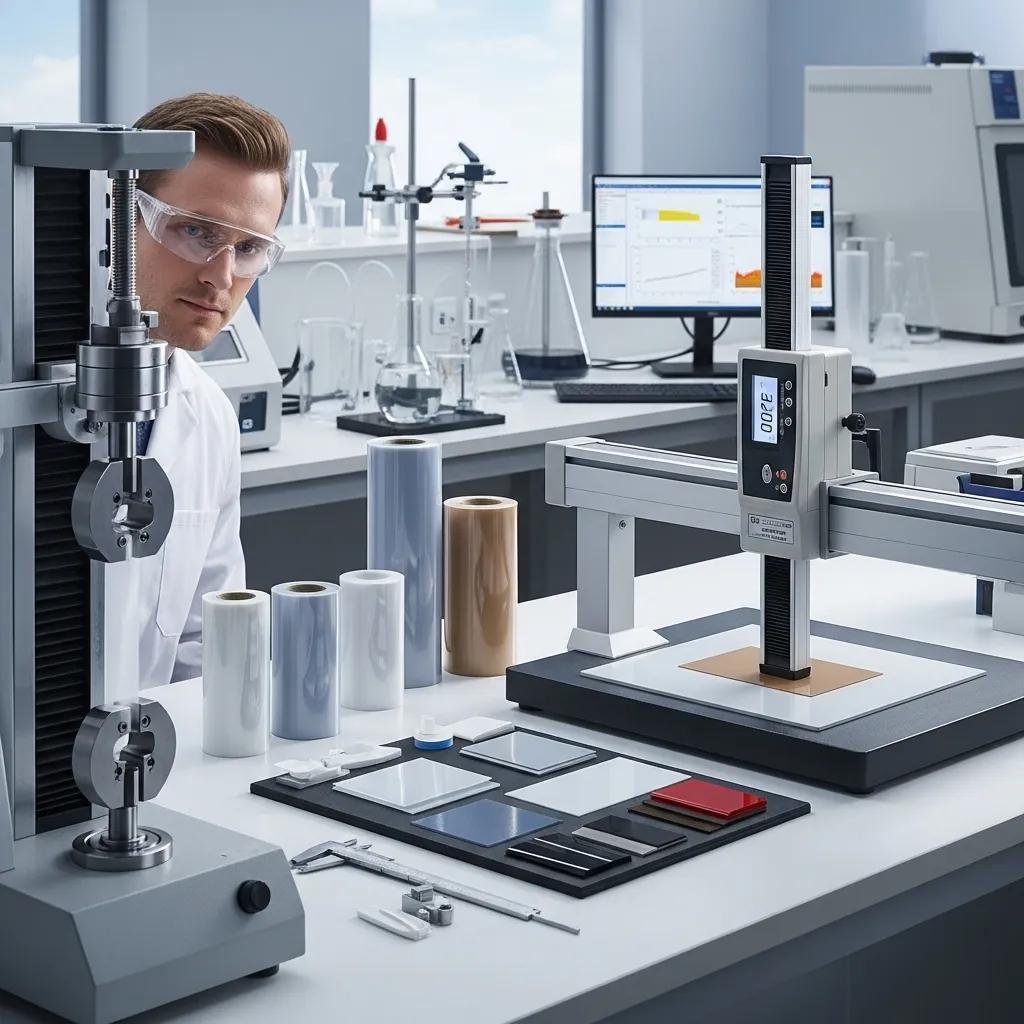
To ensure that plastic films meet the required quality standards, various testing methods are employed. These methods assess mechanical, physical, optical, and barrier properties, providing a comprehensive evaluation of film performance.
Mechanical testing methods are vital for evaluating the strength and durability of plastic films. Key tests include:
These tests help manufacturers identify potential weaknesses in the film and make necessary adjustments to the production process.
Optical properties are tested using methods such as haze and gloss measurements, which determine the film’s clarity and surface finish. Barrier property testing evaluates the film’s ability to resist moisture, gases, and other environmental factors. Common tests include:
These testing methods ensure that the films perform effectively in their intended applications, maintaining product quality and safety.
Adhering to industry standards is essential for ensuring that plastic films meet safety and performance requirements. Various organizations establish these standards, providing guidelines for manufacturers.
The American Society for Testing and Materials (ASTM) and the International Organization for Standardization (ISO) set forth numerous standards that govern plastic film testing. These standards outline the methods and criteria for evaluating film properties, ensuring consistency and reliability across the industry. Compliance with ASTM and ISO standards not only enhances product quality but also builds consumer trust in the brand.
Current Good Manufacturing Practices (cGMP) and regulatory requirements play a crucial role in the production of plastic films used in food and medical applications. These regulations ensure that films are manufactured under controlled conditions, minimizing the risk of contamination and ensuring product safety. Compliance with these regulations is essential for manufacturers to maintain market access and consumer confidence.
Identifying and resolving defects in plastic films is critical for maintaining quality and performance. Common defects can arise during the production process and may affect the film’s usability.
Common defects in plastic films include:
Identifying these defects early in the production process allows manufacturers to implement corrective measures, ensuring that the final product meets quality standards.
To improve film quality, manufacturers can implement several solutions and process controls, including:
By adopting these practices, manufacturers can enhance the overall quality of their plastic films and reduce the occurrence of defects.
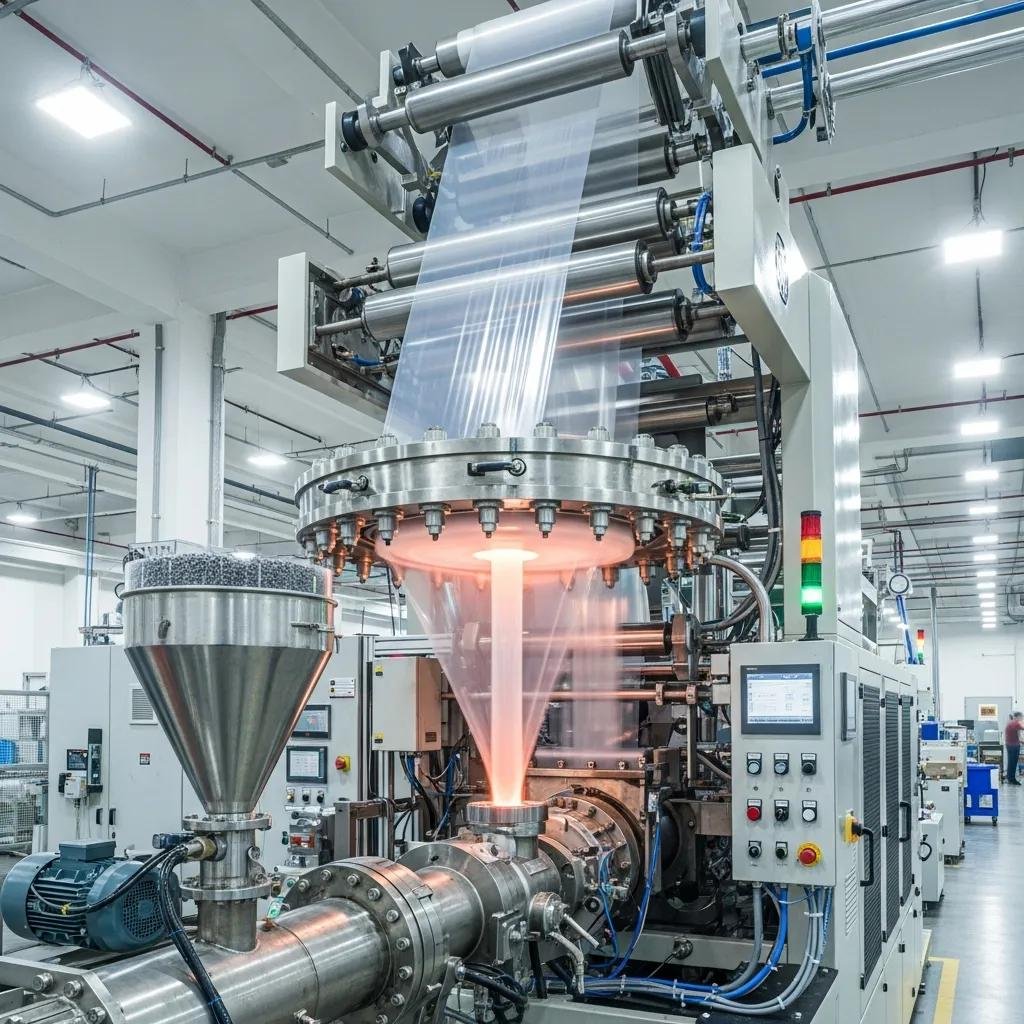
Blown film extrusion machines play a vital role in the production of high-quality plastic films. These machines are designed to produce films with consistent properties and performance.
Blown film machines are equipped with advanced features that enhance quality control, including:
These features contribute to the production of high-quality films that meet industry standards.
Integrating quality monitoring systems into blown film extrusion machines allows for real-time data collection and analysis. This integration facilitates:
By leveraging these technologies, manufacturers can enhance their quality control processes and produce superior plastic films.
The landscape of plastic film production is evolving, with new trends and technologies shaping quality control practices.
Sustainability is becoming a key focus in the plastic film industry, driving manufacturers to adopt eco-friendly practices. This includes:
These sustainable practices not only enhance the environmental profile of plastic films but also appeal to environmentally conscious consumers.
The integration of smart manufacturing and the Internet of Things (IoT) is revolutionizing quality control in plastic film production. Key advancements include:
These technological advancements are paving the way for more efficient and effective quality control practices in the plastic film industry.
Plastic Machine Deli
Comprehensive Guide

Plastic Machine Succ
Find Plastic Machine