
Plastic Machine Delivery and Logistics to Nigeria
Plastic Machine Deli
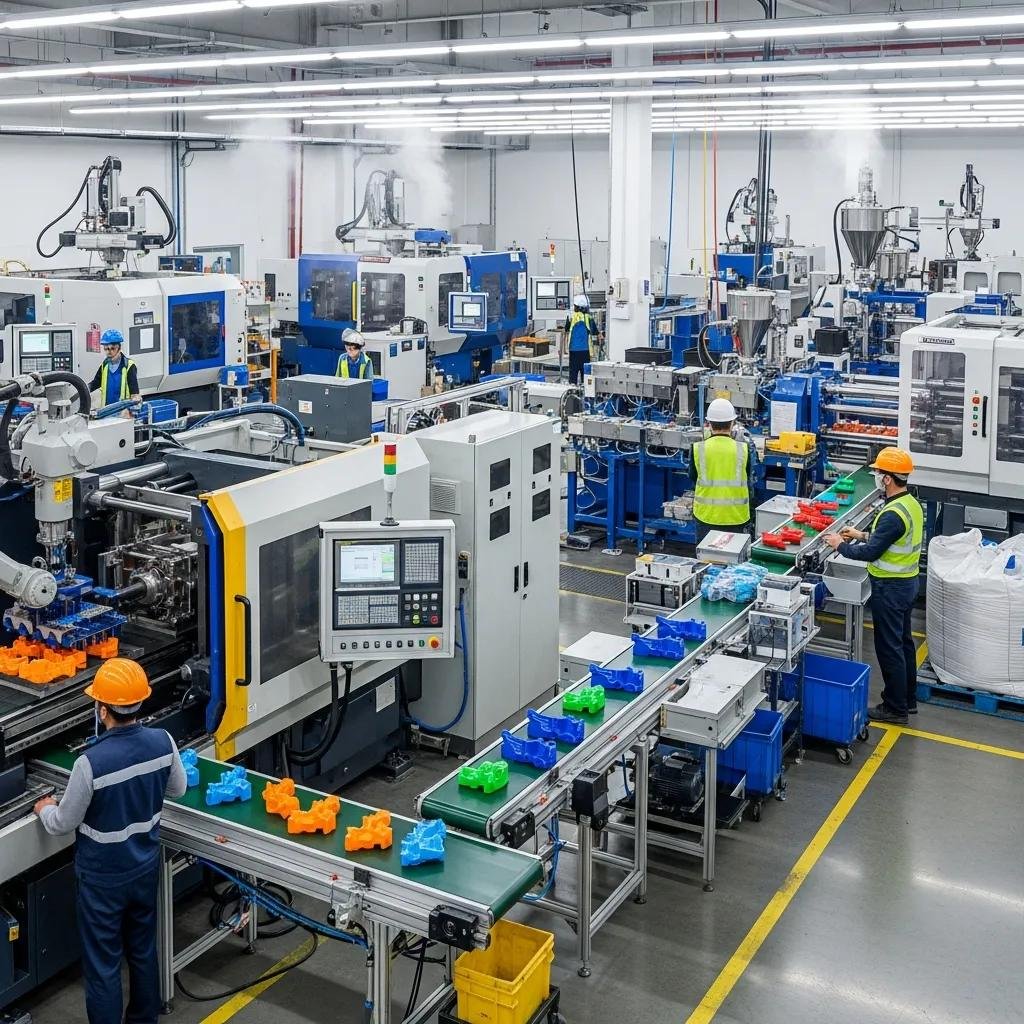
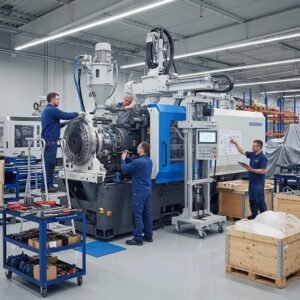
Plastic machines play a crucial role in the manufacturing industry, enabling the production of various plastic products efficiently and effectively. This comprehensive guide aims to address frequently asked questions about plastic machines, covering their types, operations, maintenance, and troubleshooting. Readers will gain insights into the different categories of plastic machines, their specific applications, and the best practices for maintaining them. Many manufacturers face challenges in selecting the right machinery and ensuring optimal performance. This guide provides solutions to these common issues, helping businesses make informed decisions. We will explore the types of plastic machines, delve into the workings of blown film extrusion machines, discuss maintenance tips for recycling machines, and offer guidance on purchasing the right equipment in Nigeria.
Plastic machines are essential for producing a wide range of plastic products, each designed for specific applications. Understanding the different types of plastic machines can help manufacturers choose the right equipment for their production needs.
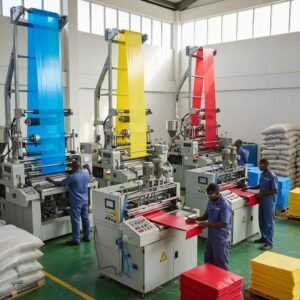
Plastic film machines are widely used in the production of flexible packaging materials. Common types include blown film machines, which create plastic films by extruding molten plastic through a circular die, and cast film machines, which produce flat films by extruding plastic onto a cooling roller. These machines are crucial for producing products like shopping bags, food packaging, and agricultural films.
Plastic bag making machines operate by converting plastic film into bags through a series of processes, including folding, sealing, and cutting. There are various types of plastic bag making machines, such as T-shirt bag machines, flat bag machines, and side-seal bag machines. Each type is designed for specific bag styles and applications, catering to different market demands.
Blown film extrusion machines are pivotal in producing plastic films used in packaging and other applications. Understanding their operation can help manufacturers optimize their production processes.
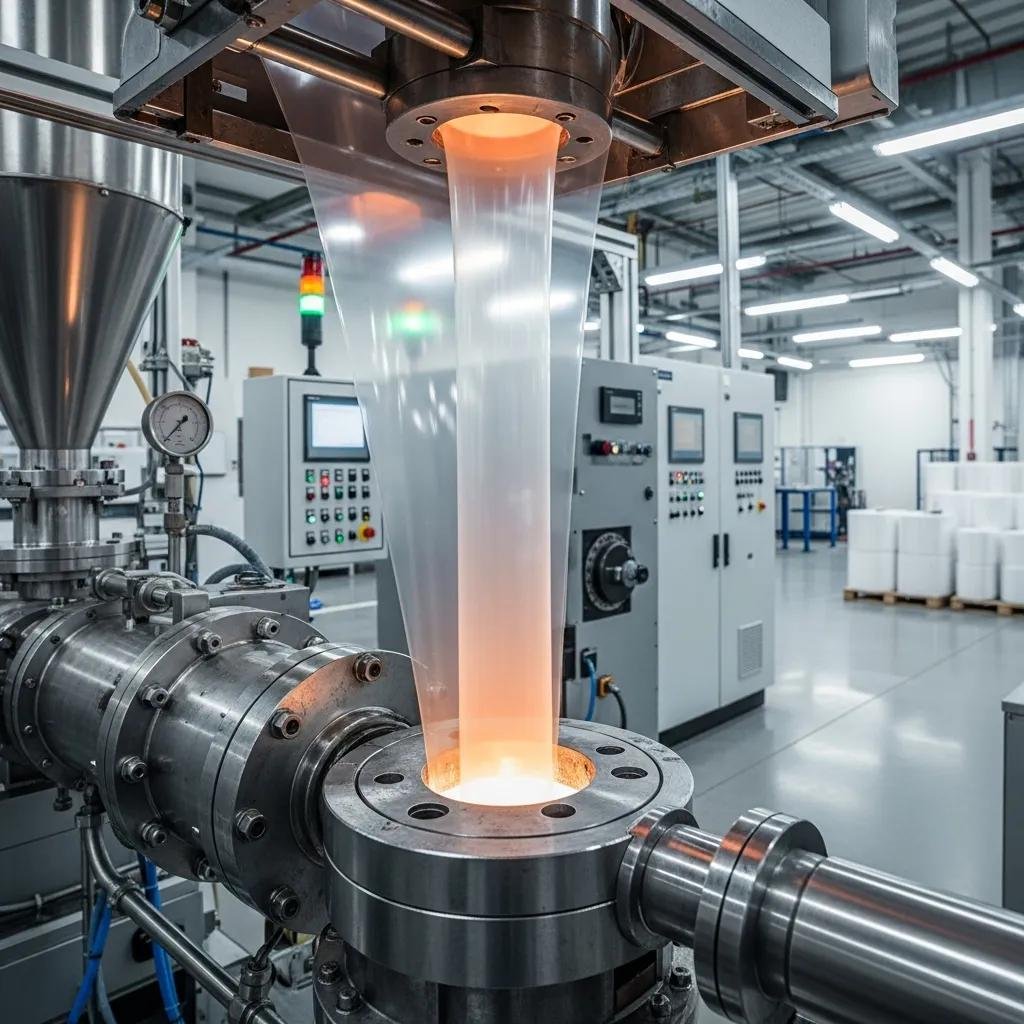
The blown film extrusion process involves several key steps:
This process allows for the production of films with varying thicknesses and properties, making it versatile for different applications.
Common issues with blown film machines include film defects, inconsistent thickness, and equipment malfunctions. Solutions often involve regular maintenance, proper calibration, and troubleshooting techniques.
For instance, ensuring the extruder temperature is set correctly can prevent film defects, while regular cleaning can help maintain consistent thickness.
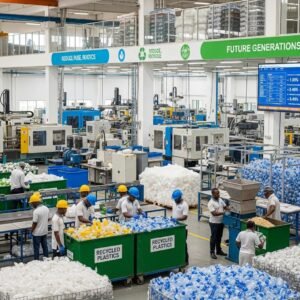
Plastic recycling machines are essential for processing waste plastics into reusable materials. However, they can encounter various problems that affect their efficiency.
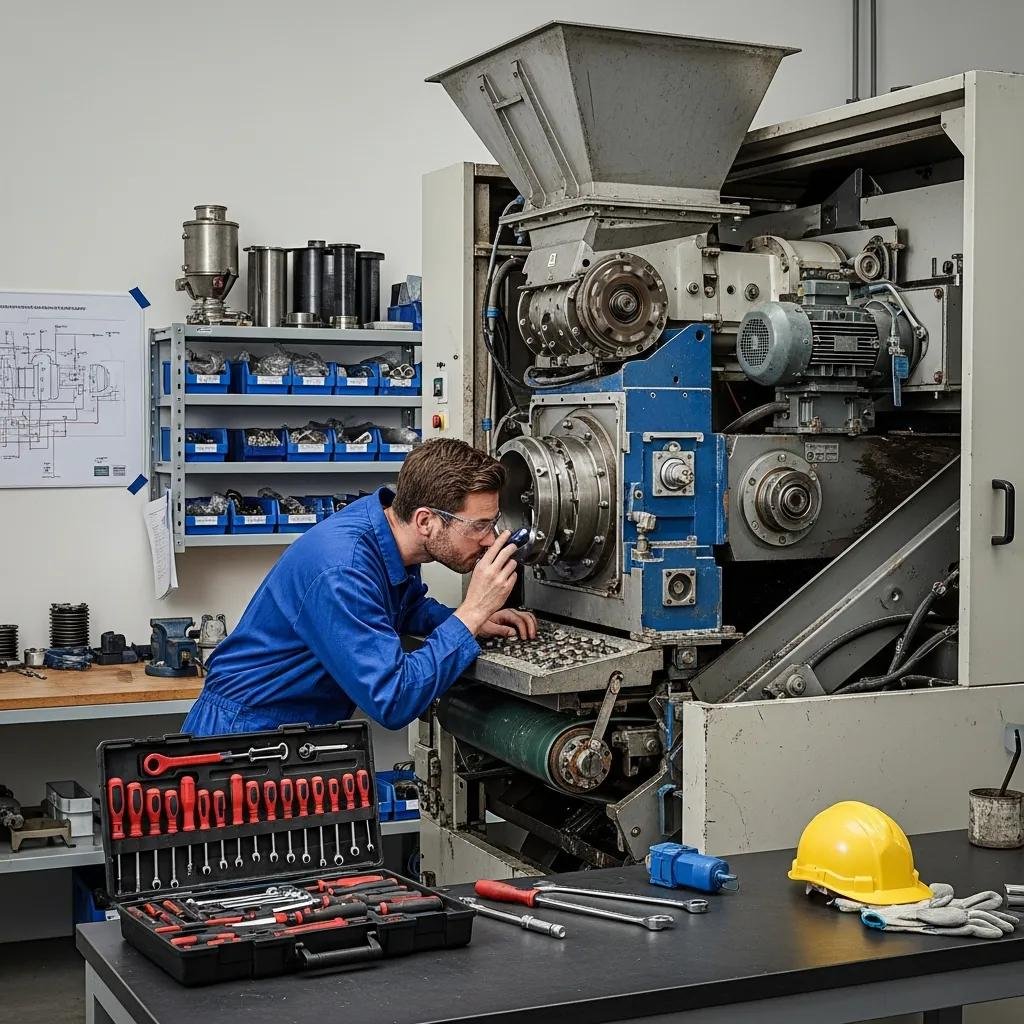
Common problems in plastic recycling equipment include blockages, wear and tear on components, and inconsistent output quality. These issues can lead to downtime and increased operational costs, making it crucial for operators to be aware of potential challenges.
To maintain optimal performance, plastic recycling machines should undergo regular inspections and maintenance. Key practices include:
Implementing these maintenance tips can significantly enhance the longevity and efficiency of recycling machines.
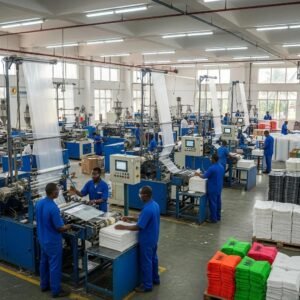
Effective maintenance of plastic extrusion machines is vital for ensuring consistent production quality and minimizing downtime.
Best practices for maintaining plastic extrusion machines include:
These practices help maintain the machines’ efficiency and prolong their operational lifespan.
Troubleshooting common issues with plastic extrusion machines involves identifying symptoms and implementing corrective actions. For example, if the output is inconsistent, checking the feed rate and ensuring the material is dry can often resolve the problem. Additionally, consulting the machine’s manual for specific troubleshooting steps can be beneficial.
Selecting the right plastic machines is crucial for manufacturers looking to optimize their production processes. Understanding the factors involved in purchasing can lead to better investment decisions.
When purchasing plastic machines, consider the following factors:
These factors play a significant role in ensuring that the chosen machinery meets operational needs.
Prices for plastic machines in Nigeria can vary widely based on type and specifications. For instance, blown film machines may range from $15,000 to $60,000, depending on their capacity and features. Warranty options typically range from one to two years, providing assurance of quality and support.
Safety is paramount when operating plastic machines. Understanding safety protocols can help prevent accidents and ensure a safe working environment.
Essential safety protocols include:
Implementing these safety measures can significantly reduce the risk of accidents in the workplace.
Operators can improve efficiency and reduce downtime by:
These strategies can enhance operational efficiency and ensure smooth production processes.
Plastic Machine Deli
Comprehensive Guide
Plastic Machine Succ
Find Plastic Machine