
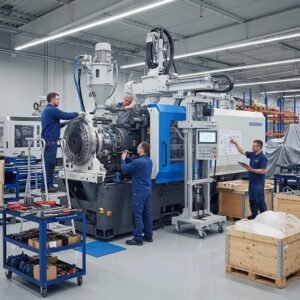
Plastic Machine Delivery and Logistics to Nigeria
Plastic Machine Deli
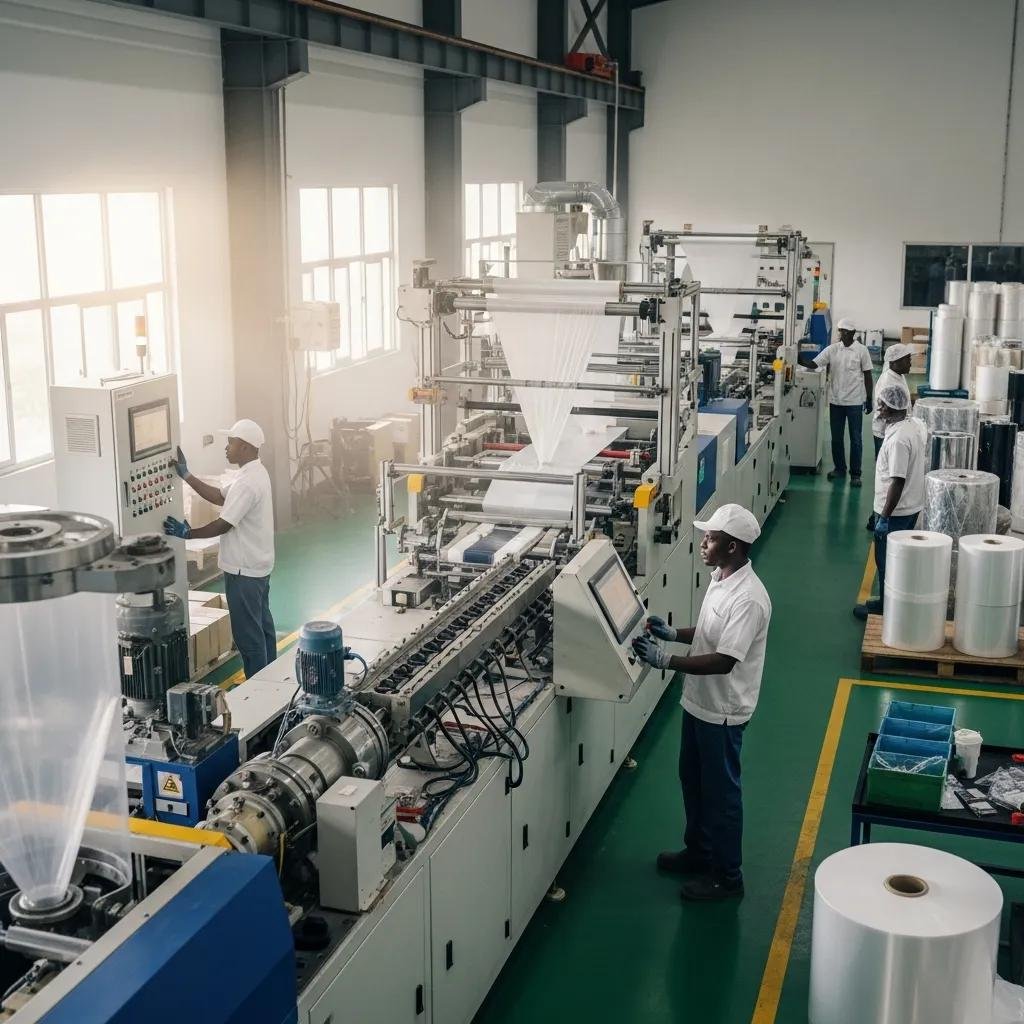
Setting up a plastic film production factory in Nigeria is a significant venture that can tap into the growing demand for packaging solutions in various industries. This comprehensive guide will walk you through the essential steps, costs, and machinery required to establish a successful plastic film factory. As the Nigerian economy continues to expand, the relevance of plastic film production becomes increasingly vital, providing opportunities for entrepreneurs and investors alike. Many aspiring business owners face challenges in understanding the financial implications and operational requirements of such a venture. This guide aims to address these pain points by outlining the key costs, necessary machinery, and strategic planning needed for success. We will explore the financial aspects, essential equipment, business planning, sourcing raw materials, regulatory requirements, and quality control measures.
Establishing a plastic film factory involves several key costs that must be carefully considered. Understanding these financial aspects is crucial for effective budgeting and planning. The primary costs include initial setup expenses, operational overheads, and the cost of machinery.
The cost of a blown film extrusion machine in Nigeria can vary significantly based on the machine’s specifications and capabilities. Generally, prices range from approximately $25,000 to $120,000. Factors influencing the cost include the machine’s production capacity, brand reputation, and additional features such as automation and energy efficiency. It is essential to compare suppliers and consider long-term operational costs when selecting machinery.
In addition to machinery costs, several other expenses must be accounted for when setting up a plastic film factory. These include:
Understanding these costs will help you create a comprehensive budget for your factory setup.
To successfully manufacture plastic films and bags, several essential machines are required. Each machine plays a critical role in the production process, ensuring efficiency and quality.
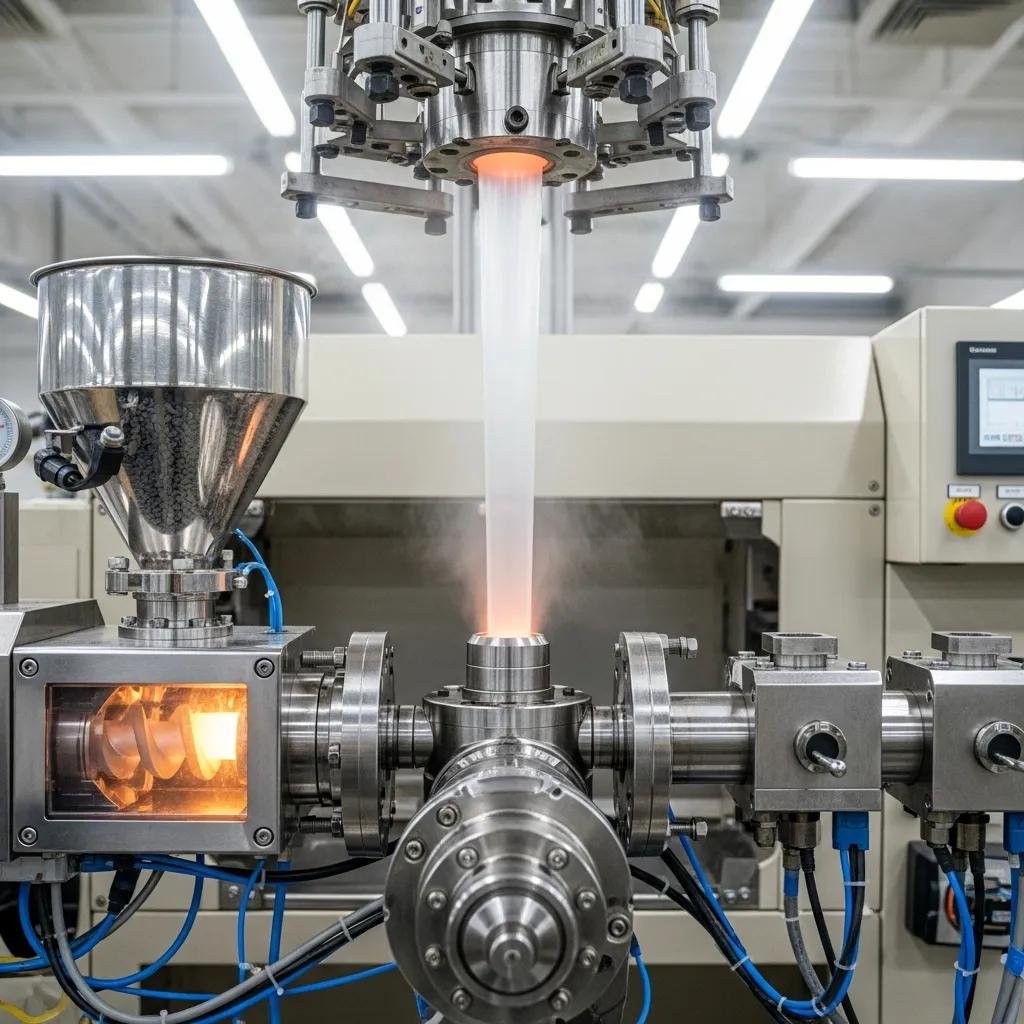
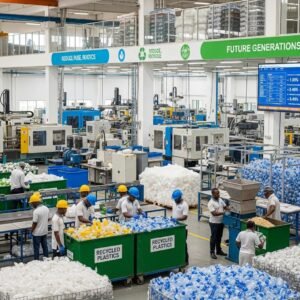
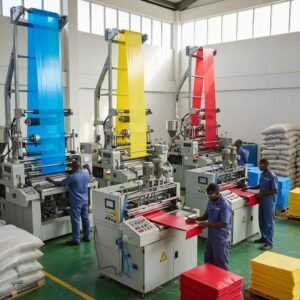
Blown film extrusion machines are the backbone of plastic film production. They work by melting plastic pellets and extruding them through a die to form a continuous film. This process allows for the production of various film types, including low-density polyethylene (LDPE) and high-density polyethylene (HDPE). The quality of the film produced directly impacts the final product’s strength and flexibility, making this machinery vital for any plastic film factory.
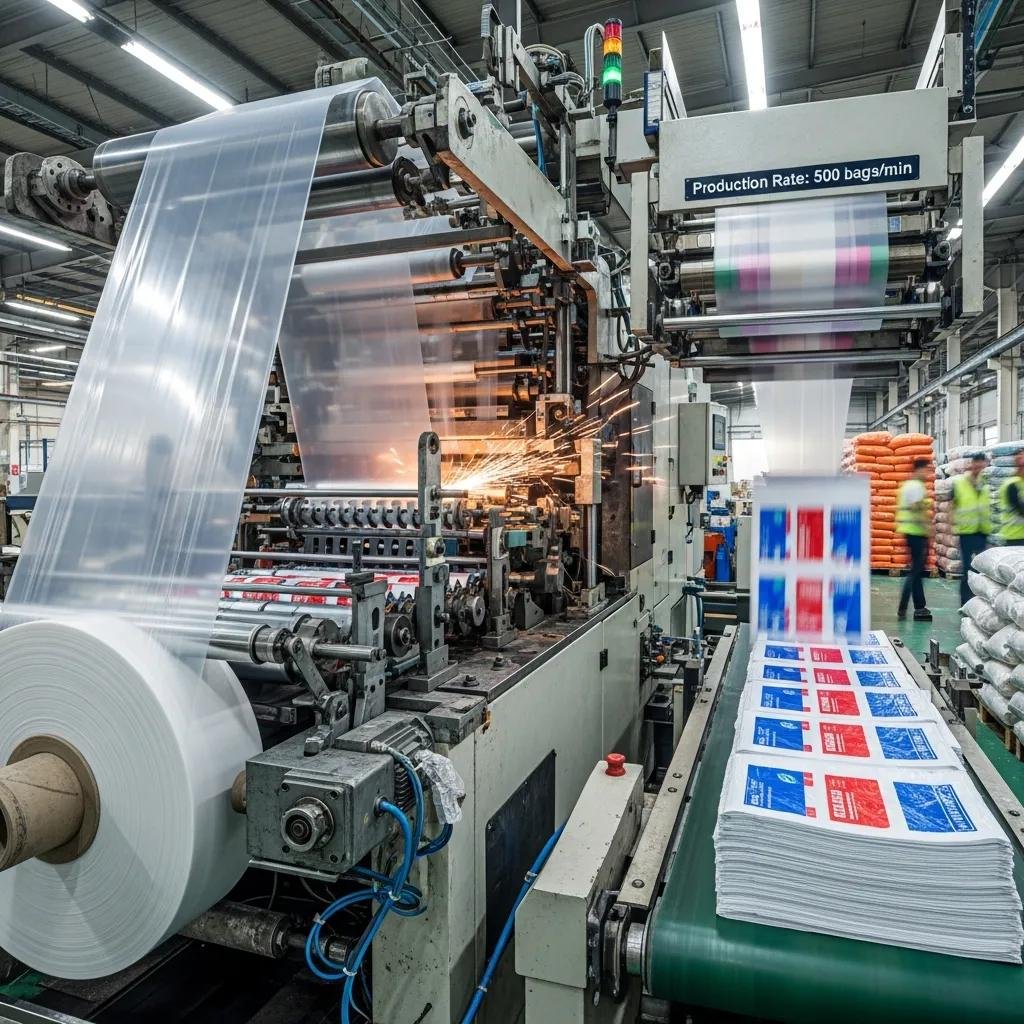
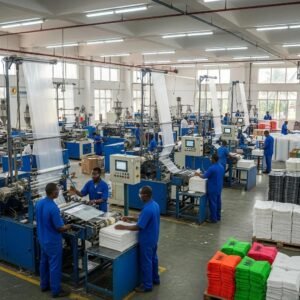
Plastic bag making machines and flexo printing machines are essential for completing the production line. The bag-making machines convert the extruded film into bags of various sizes and styles, while flexo printing machines allow for high-quality printing on the bags. This integration enhances branding opportunities and ensures that the final products meet market demands.
Creating a robust business plan is crucial for the success of your plastic film production factory. A well-structured plan outlines your business goals, financial projections, and market analysis.
Financial projections should include startup costs, expected revenue, and break-even analysis. A feasibility study is essential to assess the market demand for your products and the competitive landscape. This analysis will help you make informed decisions about pricing, production capacity, and marketing strategies.
To ensure your business plan is relevant, it is vital to stay updated on current market trends in Nigeria. This includes understanding consumer preferences, emerging technologies, and regulatory changes. By aligning your business strategy with these trends, you can position your factory for long-term success.
Sourcing high-quality raw materials is critical for producing superior plastic films. Understanding the types of materials needed and the best sourcing practices will enhance your production quality.
Commonly used polymers in plastic film production include low-density polyethylene (LDPE), high-density polyethylene (HDPE), and polypropylene (PP). Additives such as UV stabilizers, anti-block agents, and slip agents are also essential for enhancing the film’s properties. Establishing relationships with reliable suppliers will ensure a consistent supply of these materials.
Efficient logistics are crucial for sourcing raw materials. Best practices include:
Navigating the regulatory landscape is vital for operating a plastic film factory in Nigeria. Compliance with local laws ensures smooth operations and avoids legal issues.
To operate legally, you must obtain various permits, including environmental permits from the National Environmental Standards and Regulations Enforcement Agency (NESREA), business licenses from the Corporate Affairs Commission (CAC), and health and safety certifications. The specific requirements may vary by location, so it is essential to consult with local authorities to ensure compliance.
Effective waste management practices are crucial for minimizing environmental impact. Implementing recycling programs and adhering to local environmental policies will not only help you comply with regulations but also enhance your factory’s reputation. Strategies include:
Quality control is essential for maintaining high production standards in plastic film manufacturing. Implementing effective quality assurance measures will enhance product reliability and customer satisfaction.
Several quality tests are commonly performed on plastic films and bags, including:
These tests help identify any defects early in the production process, allowing for timely corrections.
An efficient factory layout is crucial for optimizing production processes. Key considerations include:
By focusing on these aspects, you can create a factory layout that enhances productivity and reduces operational costs.
| Cost Category | Description | Estimated Cost |
|---|---|---|
| Machinery | Blown film extrusion machine | $25,000 – $120,000 |
| Permits | Business licenses and environmental permits | $500 – $3,000 |
| Land | Industrial plot acquisition | $10,000 – $60,000 |
| Operational | Monthly utilities and labor | $3,000 – $12,000 |
This table summarizes the key costs involved in setting up a plastic film production factory, providing a clear overview for potential investors and entrepreneurs.
Establishing a plastic film production factory in Nigeria requires careful planning and consideration of various factors, including costs, machinery, and regulatory compliance. By following the guidelines outlined in this article, you can navigate the complexities of setting up your factory and position yourself for success in the growing Nigerian plastic industry.
Plastic Machine Deli
Comprehensive Guide
Plastic Machine Succ
Find Plastic Machine