
Plastic Machine Delivery and Logistics to Nigeria
Plastic Machine Deli
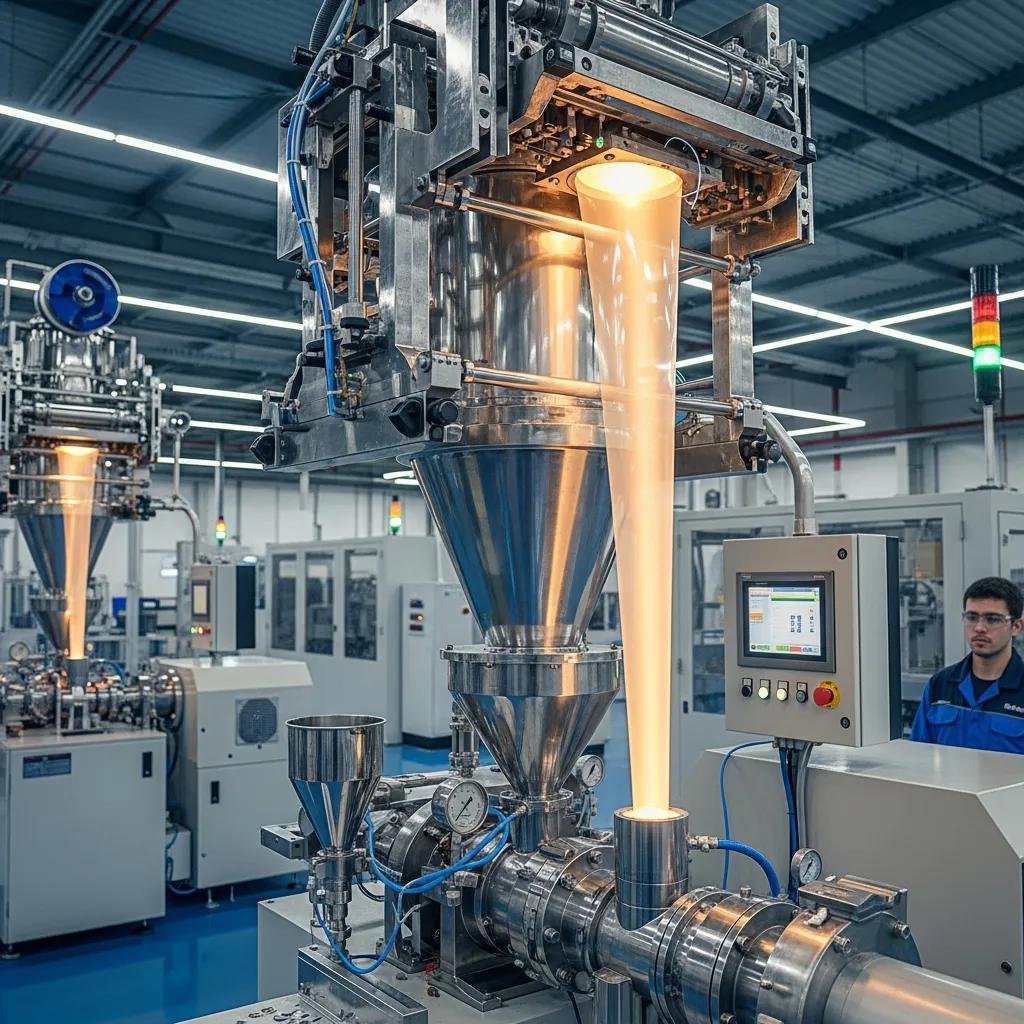
Optimizing the performance of blown film machine die heads is crucial for achieving high-quality film production and operational efficiency. This article delves into the various strategies and technologies that can enhance die head performance, ensuring that manufacturers can produce superior plastic films while minimizing waste and downtime. Readers will learn about the different types of die heads, maintenance practices, troubleshooting common extrusion problems, and advanced technologies that can significantly improve production outcomes. The challenges faced in blown film extrusion often stem from die head inefficiencies, which can lead to defects and increased costs. By understanding how to optimize die head performance, manufacturers can enhance film quality and production efficiency. This guide will cover key die head types, maintenance strategies, troubleshooting techniques, advanced technologies, and the overall impact of die head optimization on production efficiency.
Blown film die heads are essential components in the production of plastic films, and selecting the right type is critical for achieving desired film characteristics. The main types of die heads include spiral, stack, and co-extrusion die heads, each designed for specific applications and film types. Understanding the differences in design and application can help manufacturers choose the most suitable die head for their production needs.
Spiral die heads feature a unique design that allows for a more uniform melt distribution, which is essential for producing high-quality films. They are particularly effective for applications requiring consistent thickness and clarity. In contrast, stack die heads are designed for multi-layer film production, where different materials are combined to enhance film properties. Stack die heads consist of multiple flat dies stacked vertically, allowing for precise layer control. The choice between these die heads depends on the specific requirements of the film being produced, such as thickness, material compatibility, and production speed.
For mono-layer film production, a simple spiral die head is often sufficient, providing the necessary melt flow and film quality. However, for multi-layer film production, co-extrusion die heads are preferred as they allow for the simultaneous processing of different materials, resulting in films with enhanced barrier properties and mechanical strength. Understanding the material requirements and production goals is crucial in selecting the appropriate die head type to optimize film quality and production efficiency.
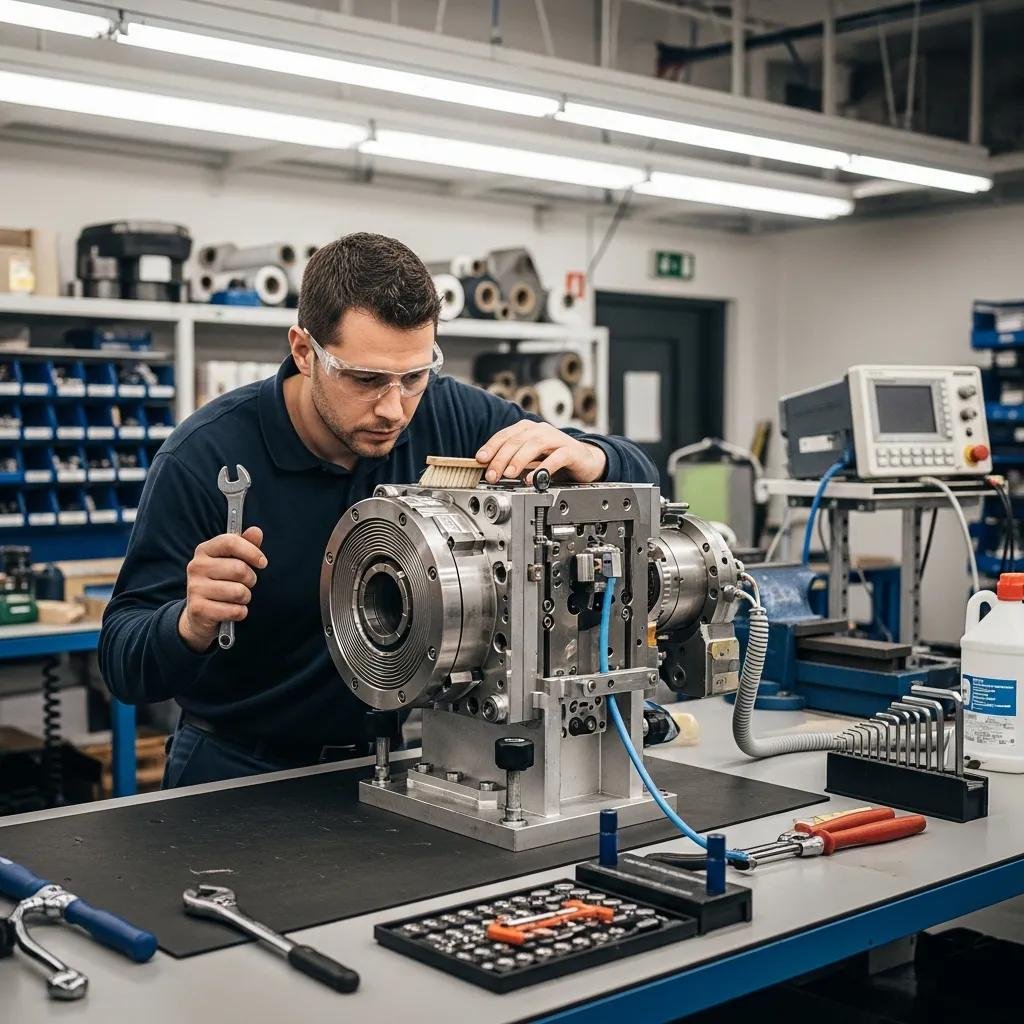
Regular maintenance of blown film die heads is vital for ensuring optimal performance and extending their lifespan. Implementing a structured maintenance schedule can significantly reduce the risk of defects and downtime, ultimately leading to improved production efficiency. Key maintenance tasks include daily inspections, cleaning, and periodic replacements of worn components.
Daily maintenance tasks for die heads should include checking for any signs of wear or damage, ensuring that the die gap is properly set, and cleaning any residual material from the die surfaces. Weekly tasks may involve more thorough inspections, such as checking the alignment of the die head and ensuring that all heating elements are functioning correctly. These routine checks help maintain consistent film quality and prevent unexpected breakdowns.
Preventative maintenance plays a crucial role in minimizing downtime and reducing film defects. By regularly inspecting and maintaining die heads, manufacturers can identify potential issues before they escalate into major problems. For instance, addressing minor wear on components can prevent more significant failures that could halt production. This proactive approach not only enhances film quality but also leads to significant cost savings by reducing the frequency of repairs and downtime.
Blown film extrusion can present various challenges, including film thickness variations, melt fractures, and surface defects. Understanding how to troubleshoot these issues is essential for maintaining production efficiency and film quality. Common problems often stem from die head settings, material inconsistencies, or equipment malfunctions.
Film thickness variations can often be traced back to improper die gap settings or inconsistent melt flow. To address these issues, operators should regularly monitor the die gap and make adjustments as necessary. Melt fractures, which appear as surface irregularities or sharkskin patterns, can be caused by excessive shear rates, high extrusion speeds, or inadequate cooling. Adjusting the processing conditions, such as reducing screw speed or optimizing cooling, can help mitigate these defects.
The die gap and air ring settings are critical in controlling the film’s thickness and cooling rate. Proper adjustments to the die gap can ensure uniform melt distribution, while the air ring helps cool the film bubble as it is extruded. By fine-tuning these parameters, operators can significantly reduce defects and improve overall film quality.
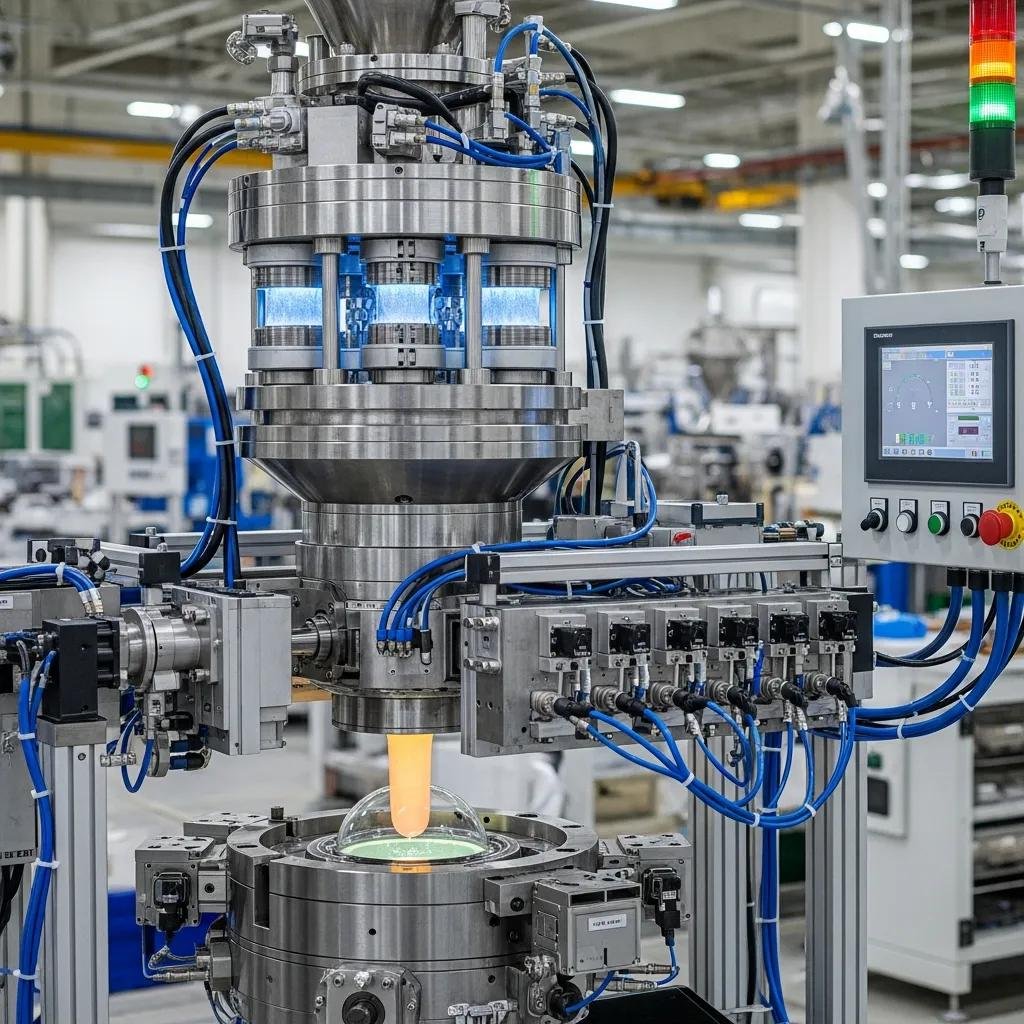
Advancements in die head technology have led to significant improvements in film quality and production efficiency. Technologies such as internal bubble cooling and automatic gauge control are becoming increasingly popular among manufacturers seeking to optimize their processes.
Internal bubble cooling (IBC) systems enhance the cooling efficiency of the extruded film bubble by directing cooled air inside the bubble, leading to improved thickness uniformity and reduced defects. Automatic gauge control (AGC) systems allow for real-time adjustments to the die gap based on feedback from thickness sensors, ensuring consistent film quality throughout the production run. These technologies not only improve film characteristics but also enhance overall production efficiency by reducing waste and downtime.
Ceramic heating elements offer several advantages over traditional band heaters, including faster heat-up times, improved temperature uniformity, and better energy efficiency. Optimized flow channel designs facilitate better melt flow and distribution, which are crucial for producing high-quality films with minimal defects. Together, these advancements contribute to enhanced film properties and reduced energy consumption during the production process.
Optimizing die head performance has a direct impact on the overall efficiency and output of blown film machines. By ensuring that die heads operate at peak performance, manufacturers can achieve higher production rates and better film quality, ultimately leading to increased profitability.
Uniform melt distribution is essential for achieving consistent film thickness and clarity. When the melt is evenly distributed across the die, it results in a more uniform film that meets quality standards. This consistency is crucial for applications where film clarity and thickness are critical, such as in packaging and agricultural films.
By optimizing die head settings, manufacturers can significantly reduce material waste caused by defects and inconsistencies. Properly calibrated die heads ensure that the melt flow is efficient, minimizing the amount of scrap produced during the extrusion process. This optimization not only increases productivity but also contributes to cost savings by reducing material costs.
| Die Head Type | Application | Key Features |
|---|---|---|
| Spiral Die Head | Mono-layer films | Uniform melt distribution, ideal for clarity |
| Stack Die Head | Multi-layer films | Multi-layer production, precise layer control |
| Co-extrusion Die Head | Barrier films | Combines different materials for enhanced properties |
Regular maintenance and optimization of die heads are essential for maximizing production efficiency and film quality. By understanding the different types of die heads and their applications, manufacturers can make informed decisions that lead to improved outcomes in blown film production.
Plastic Machine Deli

Comprehensive Guide
Plastic Machine Succ
Find Plastic Machine