

Plastic Machine Delivery and Logistics to Nigeria
Plastic Machine Deli
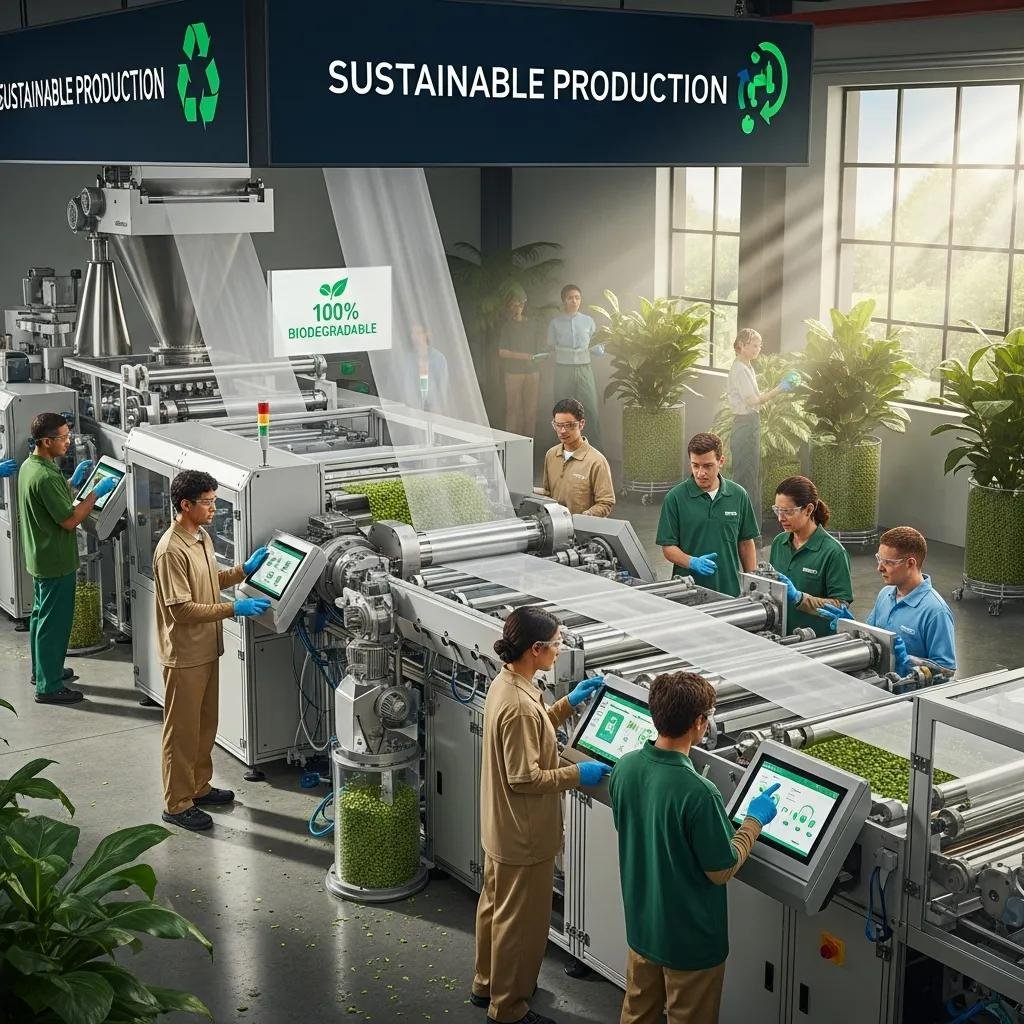
Sustainable practices in plastic film production are essential for reducing environmental impact and promoting eco-friendly solutions. This article explores various methods to implement biodegradable and sustainable practices in Nigeria’s plastic film industry. Readers will learn about the benefits of biodegradable plastic films, the role of recycling technology, and effective eco-friendly packaging options. As the world grapples with plastic pollution, adopting sustainable practices in manufacturing can significantly mitigate waste and enhance resource efficiency. This guide will cover the definition and benefits of biodegradable films, the impact of recycling technology, eco-friendly packaging options, best practices for manufacturers, and the contribution of compostable bags to waste reduction.
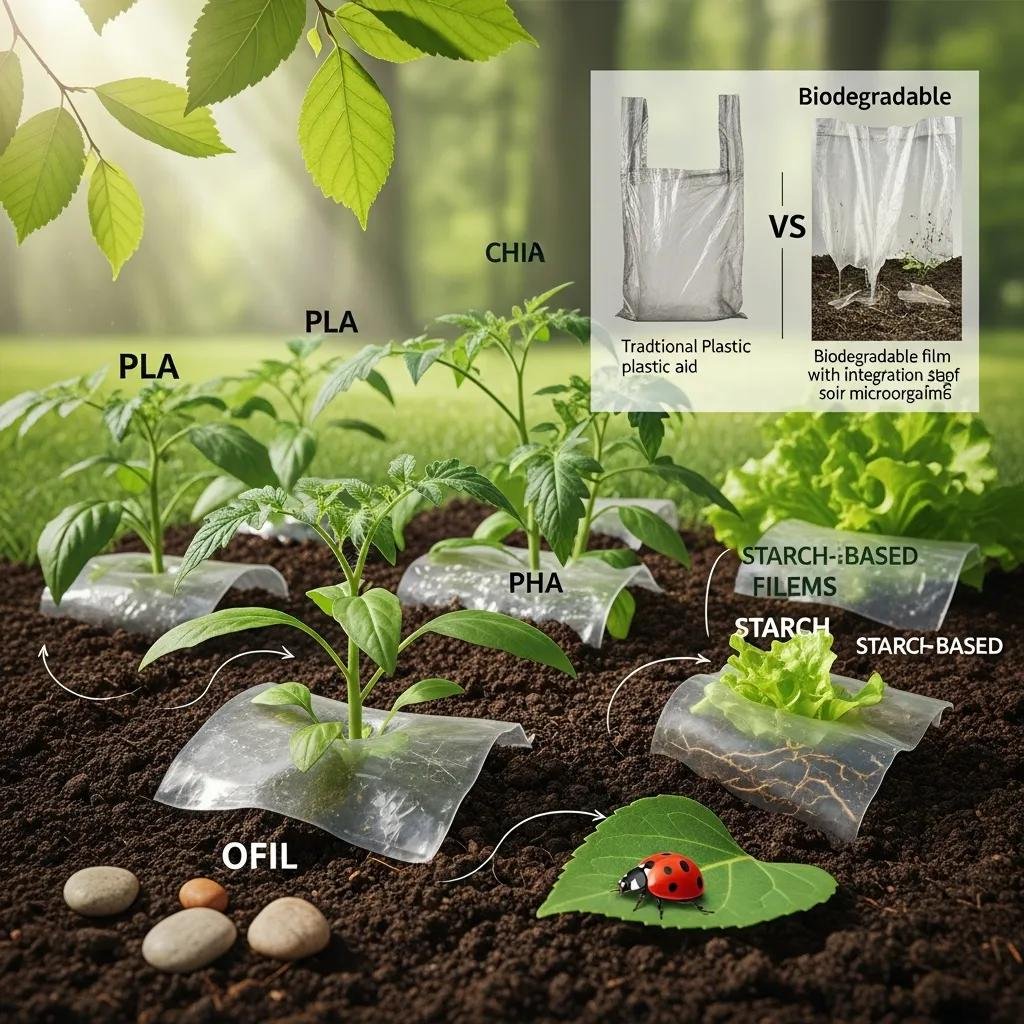
Biodegradable plastic films are designed to decompose naturally in the environment, reducing plastic waste and its harmful effects. These films break down through biological processes, making them a sustainable alternative to traditional plastics. The primary benefit of biodegradable films is their ability to minimize environmental impact by reducing the accumulation of plastic waste in landfills and oceans. In Nigeria, where plastic pollution is a growing concern, adopting biodegradable films can significantly contribute to waste management efforts and promote a cleaner environment.
Biodegradable films reduce environmental impact by breaking down into non-toxic components, which can be assimilated by natural processes. This decomposition process helps to mitigate the accumulation of plastic waste, which poses a threat to wildlife and ecosystems. For instance, studies show that biodegradable films can decompose within several months under industrial composting conditions, unlike traditional plastics that can take hundreds of years. This breakdown rate depends heavily on environmental conditions such as temperature, moisture, and microbial activity. This rapid breakdown not only lessens the burden on landfills but also reduces the risk of microplastics entering the food chain, thereby protecting wildlife and human health.
Biodegradable plastic films are typically made from renewable resources such as corn starch, potato starch, and other plant-based materials. These materials are processed to create polymers that can mimic the properties of conventional plastics while being environmentally friendly. In Nigeria, sourcing these materials locally can support agricultural economies and reduce reliance on imported plastics. Additionally, biodegradable films can be enhanced with additives that promote faster degradation, making them more effective in reducing environmental impact compared to traditional plastics. However, it is important to note that not all biodegradable plastics degrade effectively in natural environments; many require industrial composting facilities to break down properly.
Plastic recycling technology plays a crucial role in supporting sustainable manufacturing by enabling the recovery and reuse of plastic materials. This technology allows manufacturers to convert waste plastics back into usable raw materials, thereby reducing the need for virgin plastic production. In Nigeria, where plastic waste is abundant, implementing effective recycling technologies can significantly enhance resource efficiency and lower production costs for manufacturers.
In Nigeria, various types of plastic recycling machines are available to facilitate the recycling process. These include shredders, extruders, and granulators, which are essential for processing waste plastics into reusable materials. Local suppliers offer a range of machines that cater to different recycling needs, from small-scale operations to larger industrial setups. Investing in these machines not only supports local businesses but also promotes a circular economy by ensuring that plastic waste is effectively managed and repurposed.
Recycling plastic film improves resource efficiency by reducing the demand for new raw materials and minimizing energy consumption during production. By reprocessing waste plastics, manufacturers can save on material costs and reduce their carbon footprint. For instance, recycling one ton of plastic can save approximately 5,774 kWh of energy, which is roughly equivalent to the energy used by an average U.S. household in six months, highlighting the significant environmental benefits of recycling. Furthermore, the use of recycled materials can enhance the sustainability of products, making them more appealing to environmentally conscious consumers.

Eco-friendly packaging options are increasingly important in Nigerian markets as consumers become more aware of environmental issues. Sustainable packaging solutions, such as compostable bags and biodegradable films, offer effective alternatives to traditional plastic packaging. These options not only reduce waste but also align with the growing demand for environmentally responsible products among consumers.
Compostable bags provide several advantages in packaging, including their ability to break down into organic matter when disposed of properly in composting environments. This process enriches the soil and supports plant growth, making compostable bags a sustainable choice for packaging. Additionally, they are often made from renewable resources, which reduces reliance on fossil fuels. As consumers increasingly seek sustainable options, using compostable bags can enhance brand reputation and attract environmentally conscious customers. It is important to note that compostable bags require appropriate composting facilities to break down effectively and may not degrade properly if disposed of in landfills or the natural environment.
Sustainable packaging can significantly enhance brand reputation by demonstrating a commitment to environmental responsibility. Companies that adopt eco-friendly packaging solutions often experience increased customer loyalty and positive brand perception. In Nigeria, where environmental issues are becoming more prominent, brands that prioritize sustainability can differentiate themselves in a competitive market. By promoting their use of sustainable packaging, companies can appeal to a growing demographic of consumers who value eco-conscious practices.
Implementing best practices for sustainable plastic film manufacturing is essential for reducing environmental impact and promoting resource efficiency. Manufacturers can adopt various strategies, including integrating renewable materials, optimizing production processes, and minimizing waste. These practices not only contribute to sustainability but also enhance the overall efficiency and profitability of manufacturing operations.
Manufacturers can integrate renewable materials into their production processes by sourcing bioplastics and other sustainable alternatives to traditional plastics. This shift not only reduces reliance on fossil fuels but also supports local agricultural economies. For instance, using plant-based polymers derived from crops like corn or sugarcane can significantly lower the carbon footprint of plastic film production. Additionally, manufacturers can collaborate with local farmers to ensure a steady supply of renewable materials, fostering a sustainable supply chain.
Energy-efficient processes are crucial for reducing the carbon footprint of plastic film manufacturing. Implementing technologies such as energy-efficient machinery, waste heat recovery systems, and renewable energy sources can significantly lower energy consumption during production. For example, using solar panels to power manufacturing facilities can reduce reliance on non-renewable energy sources and decrease greenhouse gas emissions. By adopting these energy-efficient practices, manufacturers can not only enhance their sustainability but also reduce operational costs.
Compostable bag production is making a significant contribution to waste reduction in Nigeria by providing an alternative to traditional plastic bags. These bags are designed to decompose naturally under composting conditions, reducing the amount of plastic waste that ends up in landfills and the environment. As awareness of plastic pollution grows, the demand for compostable bags is increasing, making them a viable solution for waste management.
Standards for compostability are essential for ensuring that plastic films break down effectively in composting environments. In Nigeria, adhering to international standards such as ASTM D6400 and EN 13432 can help manufacturers produce compostable bags that meet consumer expectations. These standards outline the requirements for materials to be considered compostable, including the rate of decomposition and the absence of toxic residues. By following these guidelines, manufacturers can ensure that their products contribute positively to waste reduction efforts.
Compostable bags can be disposed of and processed locally through municipal composting programs or community composting initiatives. In Nigeria, awareness and infrastructure for composting are still developing, but increasing efforts are being made to facilitate the effective disposal of compostable bags. Local processing facilities, where available, can convert these bags into nutrient-rich compost, which can be used to enrich soil and support agricultural practices. By promoting local composting efforts, communities can enhance waste management and contribute to a more sustainable environment.
| Practice | Description | Benefits |
|---|---|---|
| Integrating Renewable Materials | Use of bioplastics and plant-based polymers | Reduces reliance on fossil fuels |
| Energy-Efficient Processes | Implementation of energy-saving technologies | Lowers carbon footprint and operational costs |
| Local Sourcing | Collaborating with local farmers for materials | Supports local economies and sustainability |
Sustainable practices in plastic film production are essential for addressing environmental challenges and promoting eco-friendly solutions. By adopting biodegradable films, leveraging recycling technology, and implementing sustainable packaging options, manufacturers can significantly reduce their environmental impact. As Nigeria continues to grapple with plastic pollution, embracing these practices will not only benefit the environment but also enhance the reputation and profitability of businesses in the plastic film industry.
Plastic Machine Deli
Comprehensive Guide
Plastic Machine Succ
Find Plastic Machine