Troubleshooting Common Plastic Machine Problems: Repair and Maintenance Guide for Plastic Film and Bag Machines
Troubleshooting plastic machines is essential for maintaining production efficiency and minimizing downtime. This guide will provide insights into common issues faced in plastic film and bag machines, along with effective solutions. Understanding these problems can help operators quickly identify and resolve issues, ensuring smooth operations. In this article, we will explore frequent issues in plastic film machine repair, troubleshooting plastic bag sealing problems, key steps in extruder machine maintenance, diagnosing injection molding machine defects, and essential maintenance tips to prevent future problems.
What Are the Most Frequent Issues in Plastic Film Machine Repair?
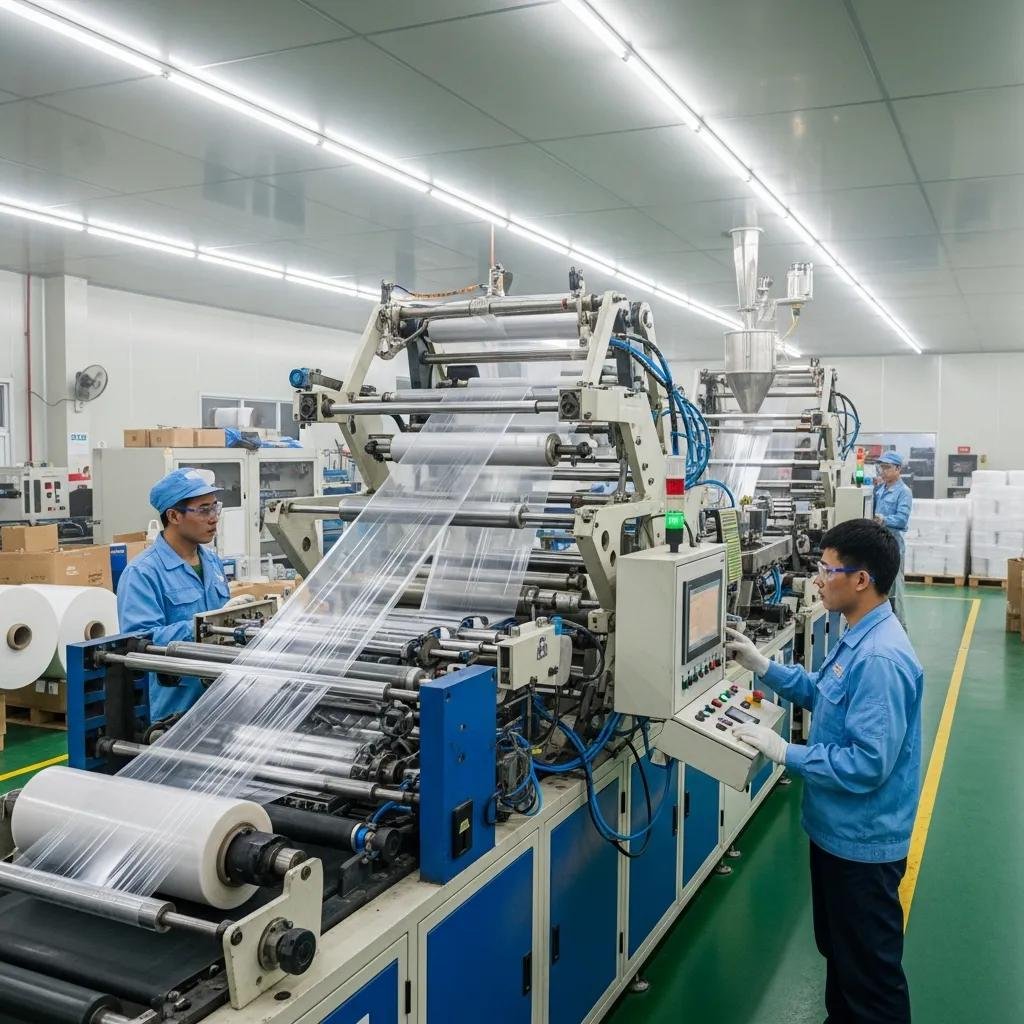
Identifying common issues in plastic film machine repair is crucial for maintaining production quality. Frequent problems can lead to significant downtime and increased operational costs. Understanding these issues allows operators to implement effective troubleshooting strategies. Here are some of the most common issues encountered:
Bubble Instability: This occurs when the film bubble fluctuates, leading to uneven thickness and quality.
Film Thickness Variation: Inconsistent film thickness can result from improper settings, equipment malfunctions, or environmental factors.
Material Feed Issues: Problems with the feeding mechanism can disrupt the production process.
How to Identify and Fix Bubble Instability in Blown Film Machines
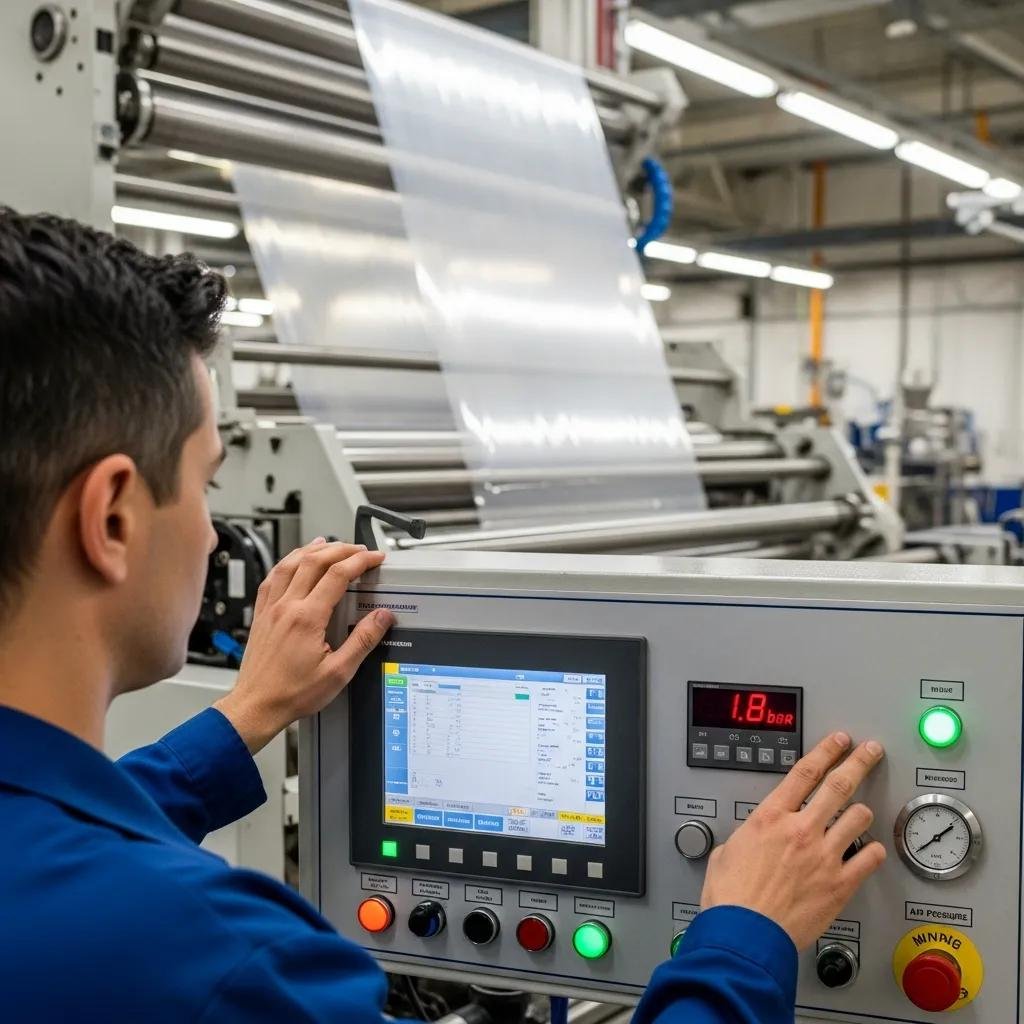
Bubble instability in blown film machines can manifest as fluctuations in the bubble size, leading to defects in the final product. Symptoms include uneven film thickness and surface defects. Common causes include improper air pressure, incorrect temperature settings, and material inconsistencies.
To fix this issue, operators should:
Check and adjust the air pressure to ensure it is within the recommended range.
Monitor the temperature settings of the extruder and adjust as necessary.
Ensure that the raw materials used are of consistent quality.
Verify that the cooling ring is functioning properly to stabilize the bubble.
What Causes Film Thickness Variation and How Can It Be Resolved?
Film thickness variation can significantly impact the quality of the final product. Factors affecting thickness include inconsistent material feed rates, temperature fluctuations, die adjustments, and environmental conditions such as humidity.
To resolve these issues, operators should:
Regularly calibrate the die to ensure uniform thickness.
Monitor the feed rate and adjust it to maintain consistency.
Conduct routine maintenance on the extruder to prevent mechanical failures.
Control environmental conditions in the production area to reduce variability.
How Do You Troubleshoot Plastic Bag Sealing Problems Effectively?
Effective troubleshooting for sealing problems in plastic bags is vital for ensuring product integrity. Common sealing issues can lead to product leaks and customer dissatisfaction. Understanding the root causes of these problems can help in implementing effective solutions.
Inconsistent Sealing: This can occur due to improper temperature settings, pressure issues, or worn sealing bars.
Bag Cutting Defects: Issues with the cutting mechanism can lead to uneven bag sizes or jagged edges.
Film Feeding Issues: Problems with the film feeding system can disrupt the sealing process.
What Are Common Causes of Inconsistent Bag Sealing and Their Solutions?
Inconsistent bag sealing can result from several factors, including incorrect temperature settings, pressure issues, and worn sealing bars.
To address these issues, operators should:
Regularly check and calibrate the sealing temperature to match the material specifications.
Inspect sealing bars for wear and replace them if necessary.
Ensure that the pressure applied during sealing is consistent and within the recommended range.
Clean sealing bars regularly to prevent contamination that can affect sealing quality.
How to Address Bag Cutting Defects and Film Feeding Issues in Bag Making Machines
Bag cutting defects can lead to significant waste and inefficiencies. Common symptoms include uneven bag sizes and improper sealing.
To resolve these issues, operators should:
Inspect the cutting blades for sharpness and replace them if dull.
Ensure that the film feeding mechanism is functioning correctly and adjust the feed rate as needed.
Regularly maintain the cutting system to prevent mechanical failures.
Check alignment of cutting blades and feeding rollers to ensure precise cuts.
What Are Key Steps in Extruder Machine Troubleshooting and Maintenance?
Key steps for troubleshooting and maintaining extruder machines are essential for ensuring optimal performance. Regular maintenance can prevent common issues and extend the lifespan of the equipment. Here are some critical steps to consider:
Routine Inspections: Regularly inspect the machine for signs of wear and tear.
Cleaning: Keep the extruder and surrounding areas clean to prevent contamination.
Lubrication: Ensure that all moving parts are adequately lubricated to reduce friction and wear.
How to Resolve Nozzle and Die Blockage in Plastic Extruders
Nozzle and die blockages can severely disrupt production. Signs of blockage include inconsistent material flow, increased pressure readings, and surface defects in the extruded film.
To resolve this issue, operators should:
Regularly clean the nozzle and die to prevent material buildup.
Monitor the temperature settings to ensure they are appropriate for the material being processed.
Use appropriate tools to clear any blockages without damaging the equipment.
Avoid sudden changes in processing parameters that can cause material degradation and blockage.
What Are Best Practices for Managing Screw and Barrel Wear?
Managing wear in screws and barrels is crucial for maintaining extruder efficiency. Signs of wear include reduced output, inconsistent material quality, and increased energy consumption.
Best practices include:
Regularly inspect screws and barrels for signs of wear and replace them as necessary.
Monitor the processing conditions to prevent excessive wear.
Use high-quality materials and coatings to reduce wear and extend the lifespan of the components.
Maintain proper temperature control to avoid premature wear due to overheating.
How to Diagnose and Repair Injection Molding Machine Defects?
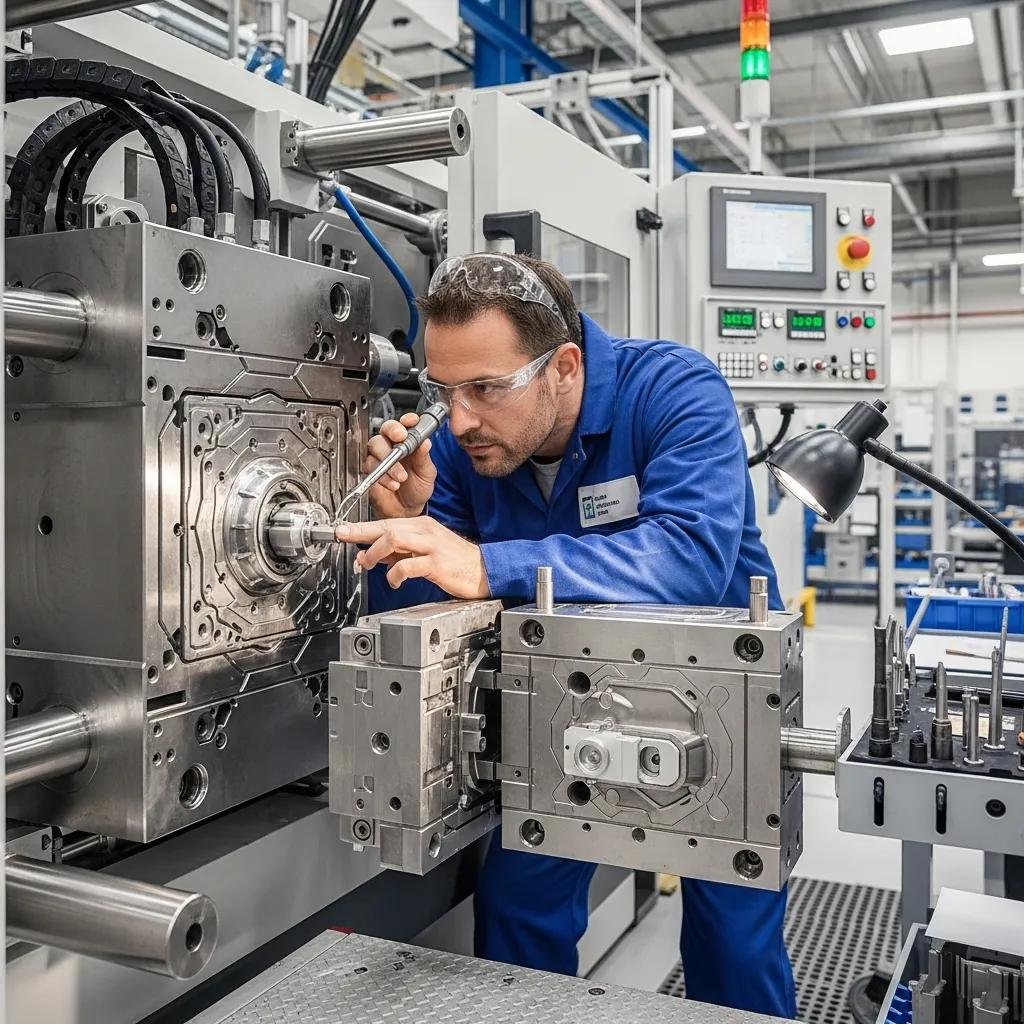
Diagnosing and repairing defects in injection molding machines is essential for maintaining production quality. Common defects can lead to significant downtime and increased costs. Understanding these defects and their solutions can help operators implement effective repairs.
Short Shots: This occurs when the mold does not fill completely, leading to incomplete parts.
Flash: Excess material can lead to unwanted projections on the finished product.
Warpage: This defect occurs when the molded part does not retain its intended shape.
What Are Common Injection Molding Defects and Their Troubleshooting Methods?
Common injection molding defects include short shots, flash, and warpage.
To troubleshoot these issues, operators should:
Adjust the injection speed, pressure, and temperature to ensure complete mold filling.
Inspect the mold for damage, wear, or improper clamping and repair any issues that may cause flash.
Monitor cooling times and mold temperature to prevent warpage and ensure proper part shape retention.
Ensure proper mold venting to avoid trapped air causing defects.
How to Interpret and Fix Injection Molding Machine Error Codes
Interpreting error codes in injection molding machines is crucial for quick troubleshooting. Common error codes can indicate issues such as temperature fluctuations, pressure problems, or mechanical failures.
To address these codes, operators should:
Refer to the machine’s manual for specific error code meanings.
Conduct routine checks on the affected systems to identify and resolve issues.
Document error occurrences to identify patterns and prevent future issues.
Contact manufacturer support if error codes persist after standard troubleshooting.
What Are Essential Plastic Machine Maintenance Tips to Prevent Problems?
Preventative maintenance is key to avoiding common plastic machine problems. Regular maintenance can help extend the lifespan of equipment and improve production efficiency. Here are some essential maintenance tips:
Regular Cleaning: Keep machines clean to prevent contamination and ensure optimal performance.
Scheduled Inspections: Conduct routine inspections to identify potential issues before they escalate.
Proper Lubrication: Ensure that all moving parts are adequately lubricated to reduce wear.
How to Perform Preventative Maintenance on Hydraulic and Electrical Systems
Preventative maintenance on hydraulic and electrical systems is crucial for ensuring machine reliability. Key steps include:
Regularly check hydraulic fluid levels and replace fluids as needed according to manufacturer recommendations.
Inspect hydraulic hoses and seals for leaks or damage.
Inspect electrical connections for signs of wear, corrosion, or damage.
Conduct routine testing of electrical systems to ensure proper functionality.
When Should You Seek Professional Help for Plastic Machine Repairs?
Identifying when to seek professional help for plastic machine repairs can save time and resources. Signs that require expert intervention include:
Persistent error codes that cannot be resolved through standard troubleshooting.
Significant wear or damage to critical components.
Frequent breakdowns that disrupt production.
Complex mechanical or electrical failures beyond routine maintenance capabilities.
Issue
Symptoms
Recommended Action
Bubble Instability
Uneven film thickness
Adjust air pressure and temperature settings; check cooling ring
Inconsistent Sealing
Leaks in bags
Check sealing temperature, pressure, and clean sealing bars
Nozzle Blockage
Reduced material flow
Clean nozzle and monitor temperature
Maintenance Task
Frequency
Importance
Routine Inspections
Weekly
Prevents unexpected breakdowns
Cleaning
Daily
Ensures optimal performance
Lubrication
Monthly
Reduces wear and extends lifespan
By following these troubleshooting and maintenance guidelines, operators can effectively manage common plastic machine problems, ensuring smooth operations and high-quality production.