
Plastic Machine Delivery and Logistics to Nigeria
Plastic Machine Deli
Polypropylene blown film extrusion equipment plays a crucial role in the production of high-quality plastic films used across various industries. This comprehensive guide will delve into the intricacies of polypropylene film manufacturing, exploring the machinery involved, the processes utilized, and the applications of the films produced. Readers will gain insights into how these machines operate, the types available, and the benefits they offer to manufacturers. As businesses increasingly seek efficient and cost-effective solutions, understanding the nuances of blown film extrusion becomes essential. This article will cover the working mechanisms of the equipment, the different types of machines, their applications, maintenance tips, purchasing considerations, and the latest market trends.
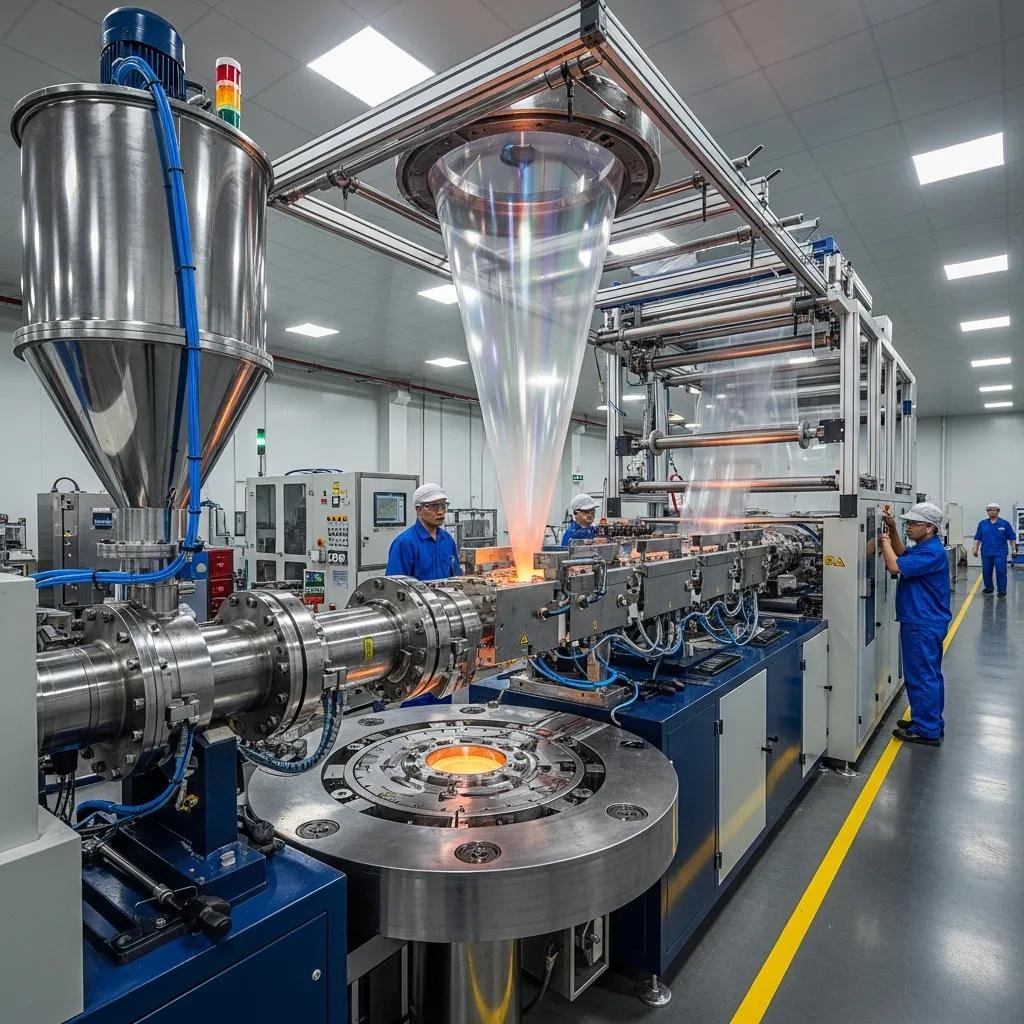
Polypropylene blown film extrusion equipment is designed to produce thin plastic films through a process that involves melting polypropylene pellets and forming them into continuous tubes. The equipment operates by feeding raw polypropylene into an extruder, where it is heated and forced through a die to create a film. This method is significant in the plastic manufacturing industry due to its efficiency and the quality of films produced, which are widely used in packaging and other applications.
A typical PP blown film machine consists of several key components, including:
Each component plays a vital role in ensuring the smooth operation and quality of the final product.
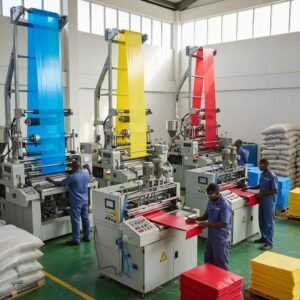
The blown film extrusion process begins with the feeding of polypropylene pellets into the extruder. As the pellets are heated, they melt and are forced through the die, forming a continuous tube. This tube is then inflated with air, creating a bubble that is cooled and solidified primarily by air cooling. The final step involves winding the film onto rolls for storage and distribution. This process allows for the production of films with varying thicknesses and properties, making it versatile for different applications.
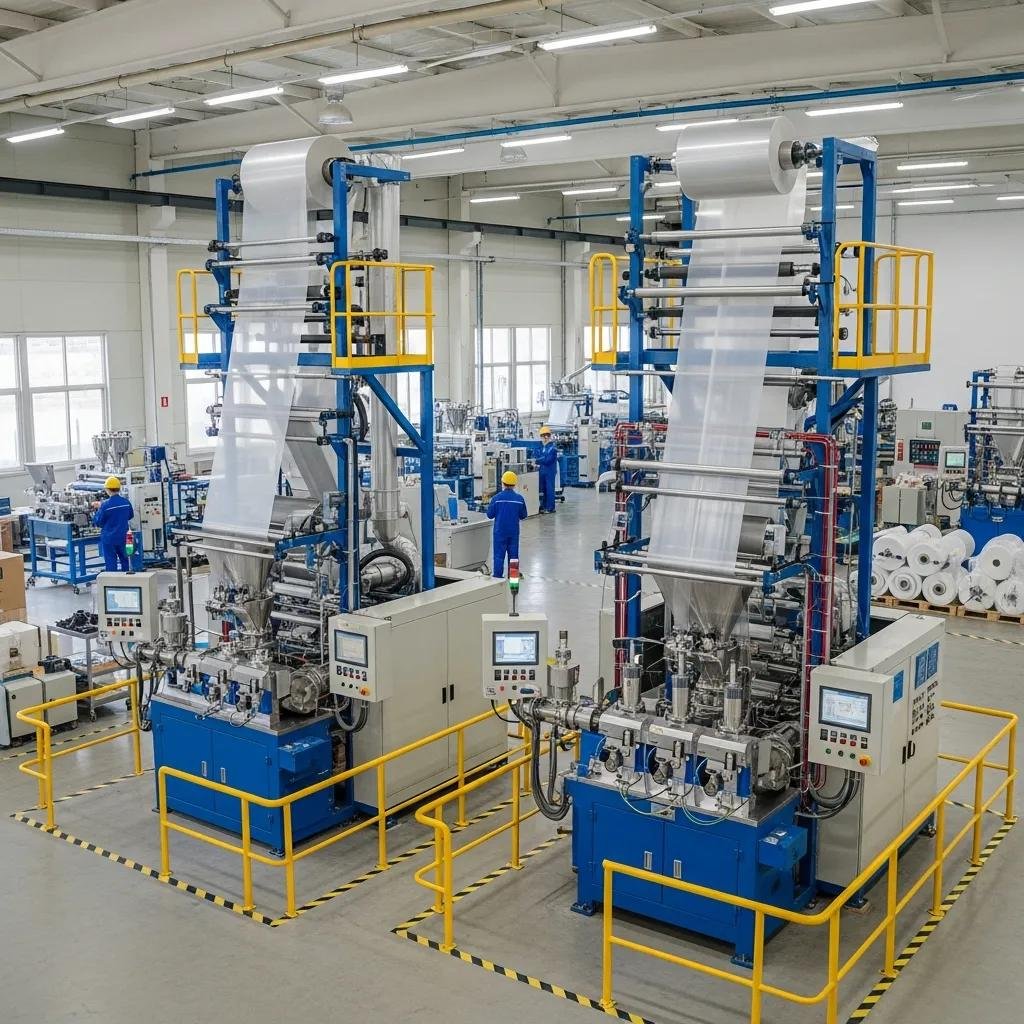
There are several types of polypropylene blown film machines available, each designed to meet specific production needs. Understanding these types can help manufacturers choose the right equipment for their operations.
Single-layer PP blown film machines produce films with a uniform structure, while multi-layer machines can create films with different layers, each serving a specific purpose. Multi-layer machines offer advantages such as improved barrier properties and enhanced strength, making them suitable for more demanding applications. However, single-layer machines are often simpler and more cost-effective for basic film production.
High-speed PP blown film extruders are designed to operate at faster production rates, significantly increasing output. While water cooling is commonly used for extruder barrels and screws to maintain temperature control, the film cooling in blown film extrusion is primarily air-based. These advancements lead to improved efficiency and reduced production costs, making them attractive options for manufacturers looking to optimize their operations.
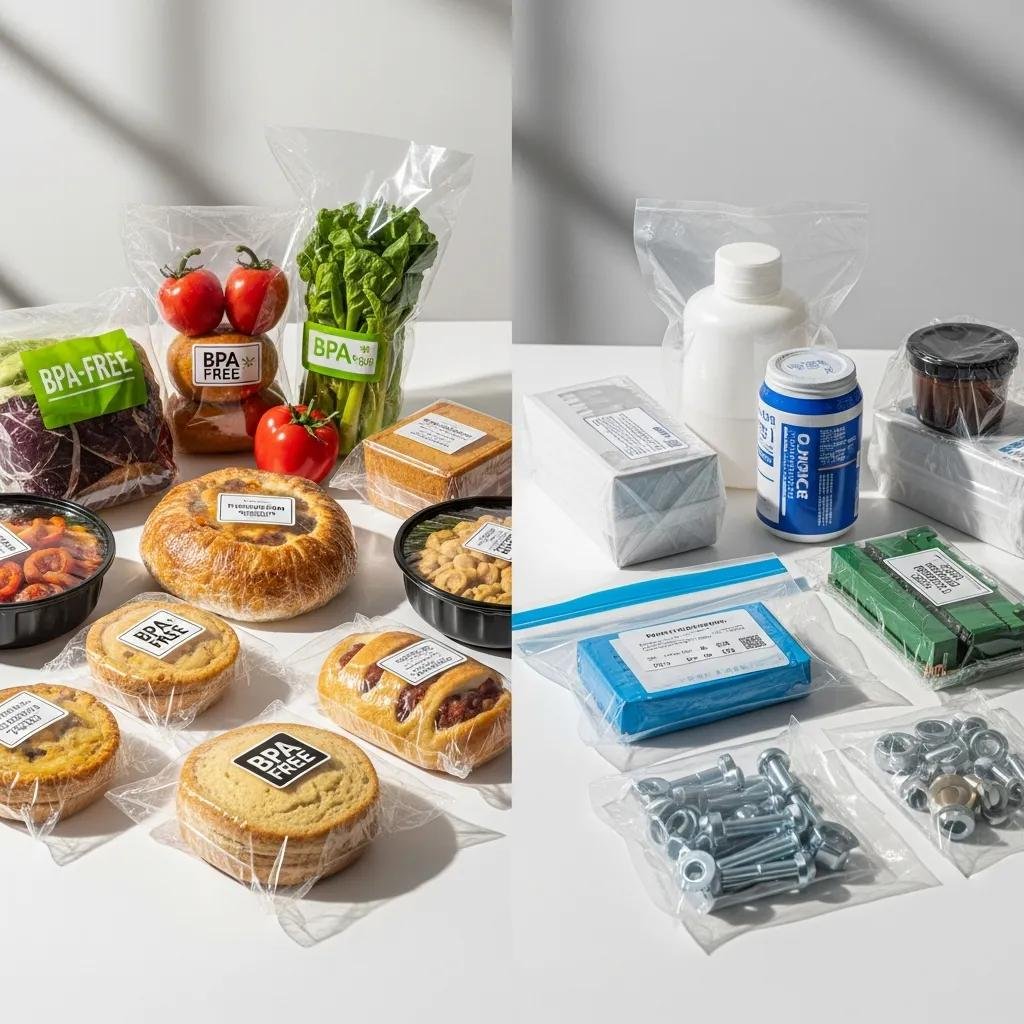
Polypropylene films produced through blown film extrusion are widely used in various applications, thanks to their unique properties and benefits.
In the food packaging industry, polypropylene films are favored for their clarity, moisture resistance, and ability to preserve freshness. They are commonly used for packaging snacks, baked goods, and other perishable items. In industrial applications, these films serve as protective barriers for products, ensuring durability and safety during transportation and storage.
Polypropylene films are known for their excellent strength-to-weight ratio, making them durable yet lightweight. Their clarity allows for attractive packaging designs, while their heat resistance enables them to withstand various processing conditions. These properties make PP films ideal for a wide range of applications, from consumer goods to industrial uses.
Proper maintenance and troubleshooting are essential for ensuring the longevity and efficiency of polypropylene blown film extrusion equipment.
Common issues in PP blown film extrusion include inconsistent film thickness, bubbles in the film, and equipment jams. To prevent these problems, operators should regularly check the extruder temperature, ensure proper material feeding, and maintain the cooling system. Regular maintenance schedules can help identify potential issues before they escalate.
Optimizing machine performance involves adjusting the extruder settings for the specific type of polypropylene being used and ensuring that the cooling system operates efficiently. Implementing energy-saving practices, such as using variable frequency drives, can also enhance energy efficiency, reducing operational costs while maintaining production quality.
When considering the purchase of PP blown film extrusion equipment, several factors can influence the decision-making process.
Cost factors include the initial investment, operational expenses, and maintenance costs. Buyers should also consider the return on investment (ROI) based on expected production output and market demand. After-sales service is crucial, as reliable support can significantly impact the machine’s performance and longevity.
China Evergreen Machinery Co., Ltd. offers tailored solutions for Nigerian customers, ensuring that the equipment meets local production needs and standards. With extensive experience in the industry since 2005 and over 1700 machines installed worldwide, the company provides valuable insights and support to help businesses succeed in the competitive market.
The polypropylene blown film extrusion market is evolving, with new trends and technologies shaping the industry.
Sustainability is becoming a key focus in the production of polypropylene films, with manufacturers seeking eco-friendly materials and processes. AI-driven technologies are also being integrated into machinery to enhance efficiency and reduce waste, allowing for smarter production practices that align with environmental goals.What is the projected growth of the polypropylene film and blown film extruder markets?
The polypropylene film market is expected to grow significantly in the coming years, driven by increasing demand in packaging and industrial applications. The blown film extruder market is also projected to expand as manufacturers invest in advanced technologies to improve production efficiency and product quality.
Plastic Machine Deli
Comprehensive Guide
Plastic Machine Succ
Find Plastic Machine