
Plastic Machine Delivery and Logistics to Nigeria
Plastic Machine Deli
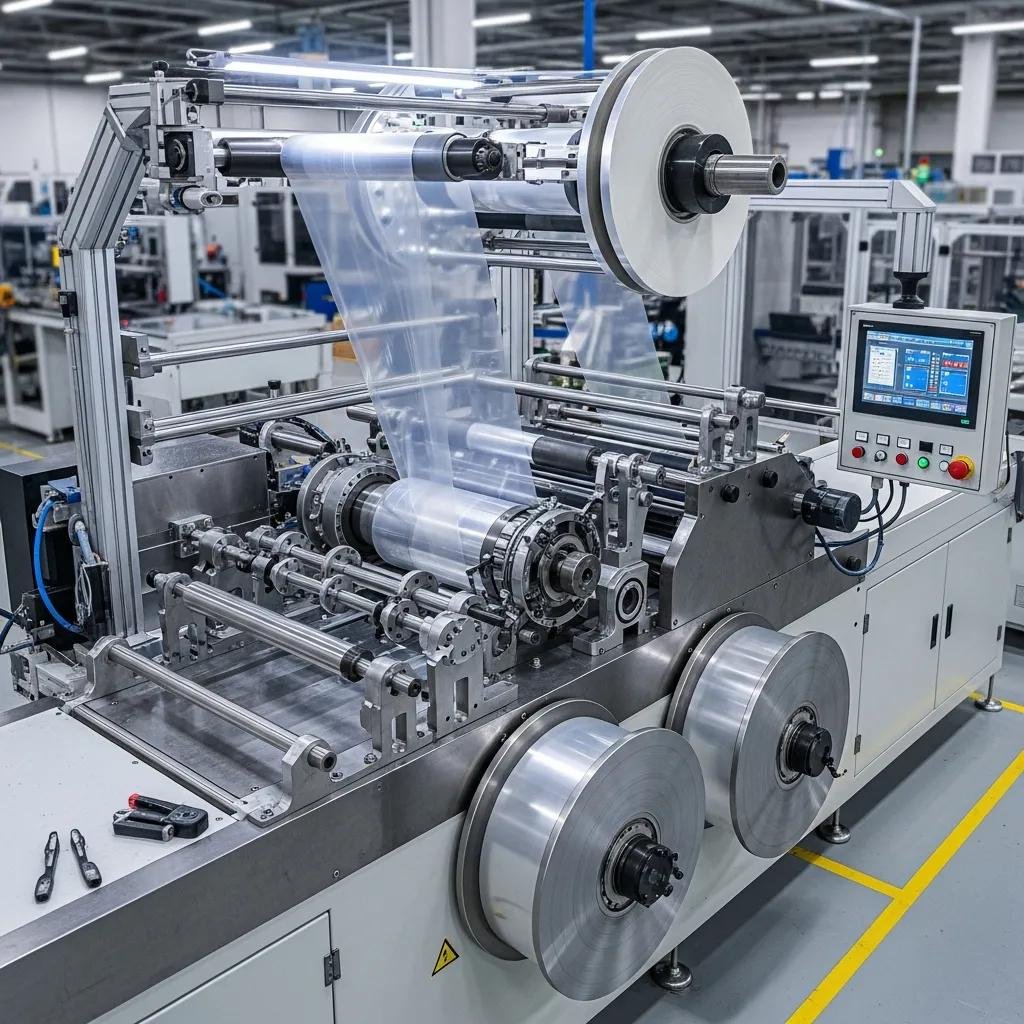
The precision slitting and rewinding machine is a vital piece of equipment in the plastic film manufacturing industry, particularly for businesses in Nigeria. This comprehensive guide will explore the functionality, importance, and various technologies associated with these machines. Readers will learn how precision slitting can enhance production efficiency and product quality, addressing common challenges faced by manufacturers. As the demand for high-quality plastic films increases, understanding the role of precision slitting and rewinding machines becomes essential for staying competitive in the market. This article will cover the definition and operation of these machines, the significance of precision, the types of slitting technologies available, key features of high-speed machines, their applications in Nigeria, and maintenance practices.
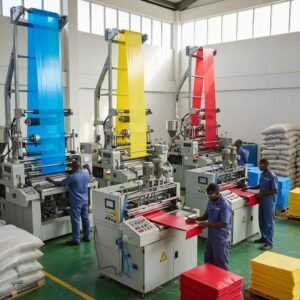
A precision slitting and rewinding machine is designed to cut large rolls of plastic film into narrower rolls with high accuracy. This machine operates by unwinding a large roll of film, slitting it into desired widths, and then rewinding the slit film onto smaller cores. The precision of this process is crucial as it directly impacts the quality of the final product, ensuring that the film is cut to exact specifications without defects. The efficiency of this machine not only enhances production rates but also minimizes waste, making it an essential tool for manufacturers.
The operation of a slitting and rewinding machine involves several key steps. Initially, the machine unwinds a large roll of plastic film, which is then fed into the slitting unit. Here, sharp blades or rotary knives cut the film into specified widths. After slitting, the film is rewound onto smaller cores, ensuring that the final product is neatly packaged for distribution. This process is automated in high-speed machines, allowing for continuous operation and increased productivity. The precision of the slitting process is vital, as any inaccuracies can lead to material waste and quality issues.
A precision slitting machine consists of several critical components, each playing a vital role in its operation:
Understanding these components helps manufacturers appreciate the complexity and efficiency of precision slitting machines.
Precision in film slitting and rewinding is crucial for several reasons. It directly affects the quality of the final product, ensuring that the film meets specific standards required by customers. High precision reduces waste, as accurately cut films minimize the amount of unusable material generated during production. Additionally, precision enhances production efficiency, allowing manufacturers to produce more with less material, ultimately leading to cost savings.
Precision in slitting reduces waste by ensuring that the film is cut to exact specifications, which minimizes the amount of scrap material produced. When films are cut inaccurately, it can lead to defects that render the product unusable. Moreover, high precision improves film quality by ensuring uniformity in width and edge quality, which is essential for applications that require consistent performance, such as packaging and printing.
For Nigerian manufacturers, precision slitting offers several advantages. It allows for better utilization of raw materials, which is particularly important in a market where costs can be high. Additionally, precision slitting enhances product quality, making it easier for manufacturers to meet the demands of local and international markets. This capability can significantly improve competitiveness, as high-quality products are more likely to attract customers and retain market share.
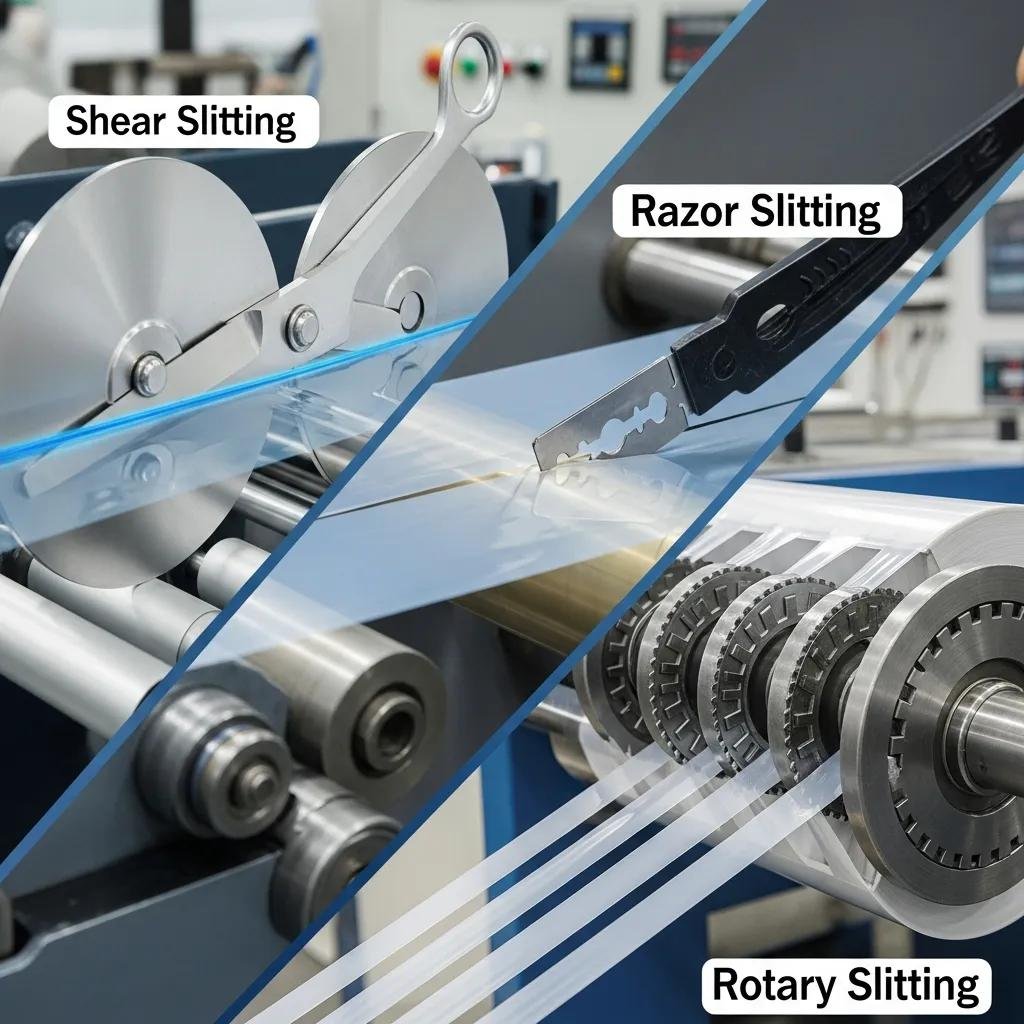
Various slitting technologies are employed in precision machines, each suited for different types of plastic films. Understanding these technologies helps manufacturers choose the right method for their specific needs.
Different slitting methods can significantly impact the quality of various film types:
High-speed precision slitting machines are characterized by several key features that enhance their performance and efficiency. These features are essential for manufacturers looking to optimize their production processes.
Automatic tension control is crucial for maintaining consistent film tension throughout the slitting process. This feature ensures that the film does not stretch or contract, which can lead to inaccuracies in cutting. By maintaining optimal tension, manufacturers can achieve higher precision and reduce the risk of defects in the final product.
Web guiding systems help align the film accurately as it passes through the machine, preventing misalignment that can lead to waste. Core handling systems facilitate the quick and efficient loading and unloading of rolls, minimizing downtime during production. Together, these systems enhance the overall efficiency and effectiveness of high-speed precision slitting machines.
Precision slitting machines play a vital role in the plastic film and bag manufacturing sector in Nigeria. They enable manufacturers to produce high-quality films and bags that meet the growing demands of the market.
Commonly processed materials include:
China Evergreen Machinery Co., Ltd. supports Nigerian businesses by providing precision slitting and rewinding machines tailored to local market needs. The company emphasizes simple operation, reliable performance, and easy maintenance, ensuring that manufacturers can rely on their equipment for consistent production. Additionally, with a sales presence in major Nigerian cities, they offer timely after-sales service, further enhancing customer satisfaction.
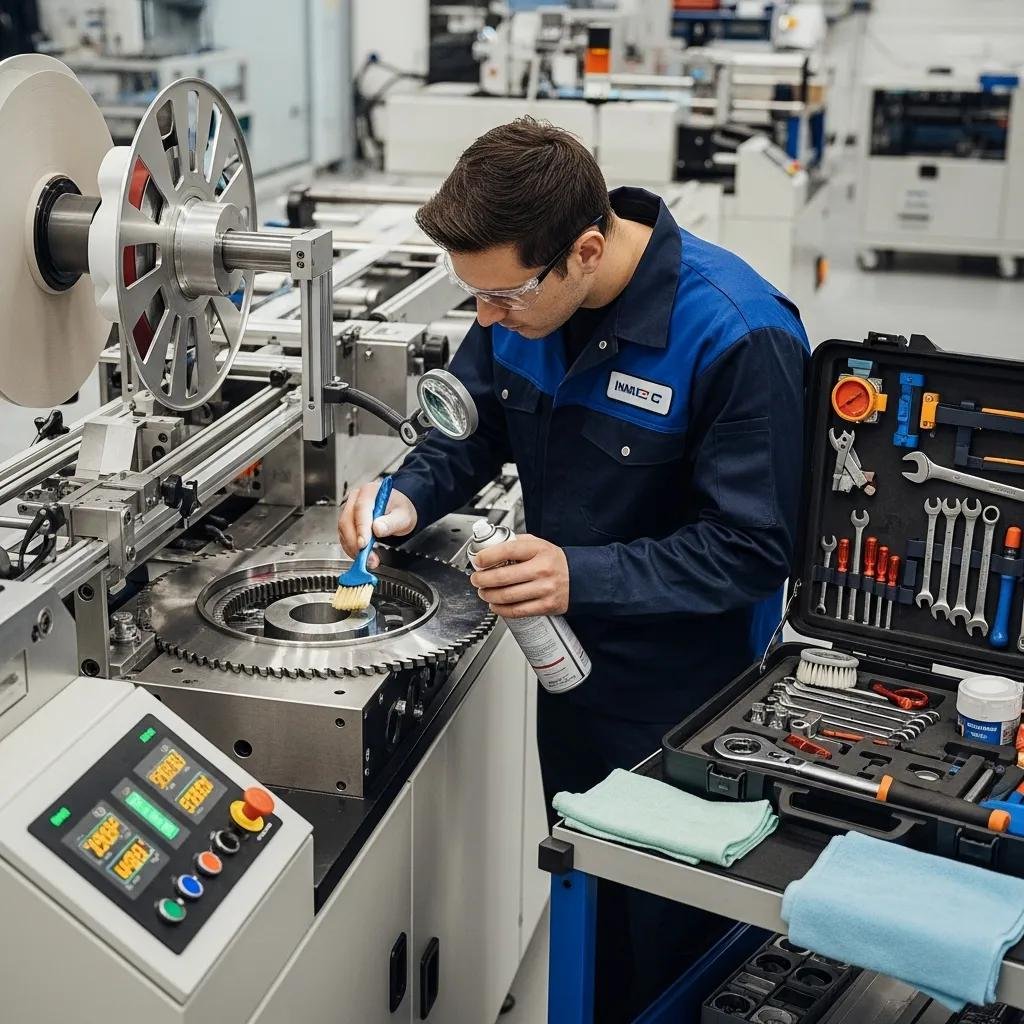
Regular maintenance is essential for ensuring the optimal performance of slitting machines. Implementing best practices can help prevent issues and extend the lifespan of the equipment.
Common issues that may arise include:
By following these maintenance practices and troubleshooting tips, manufacturers can ensure their precision slitting machines operate efficiently and effectively.
Plastic Machine Deli
Comprehensive Guide
Plastic Machine Succ
Find Plastic Machine