
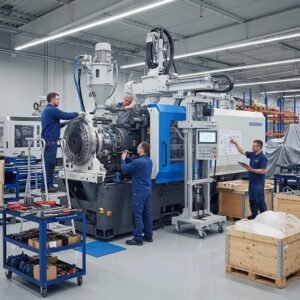
Plastic Machine Delivery and Logistics to Nigeria
Plastic Machine Deli
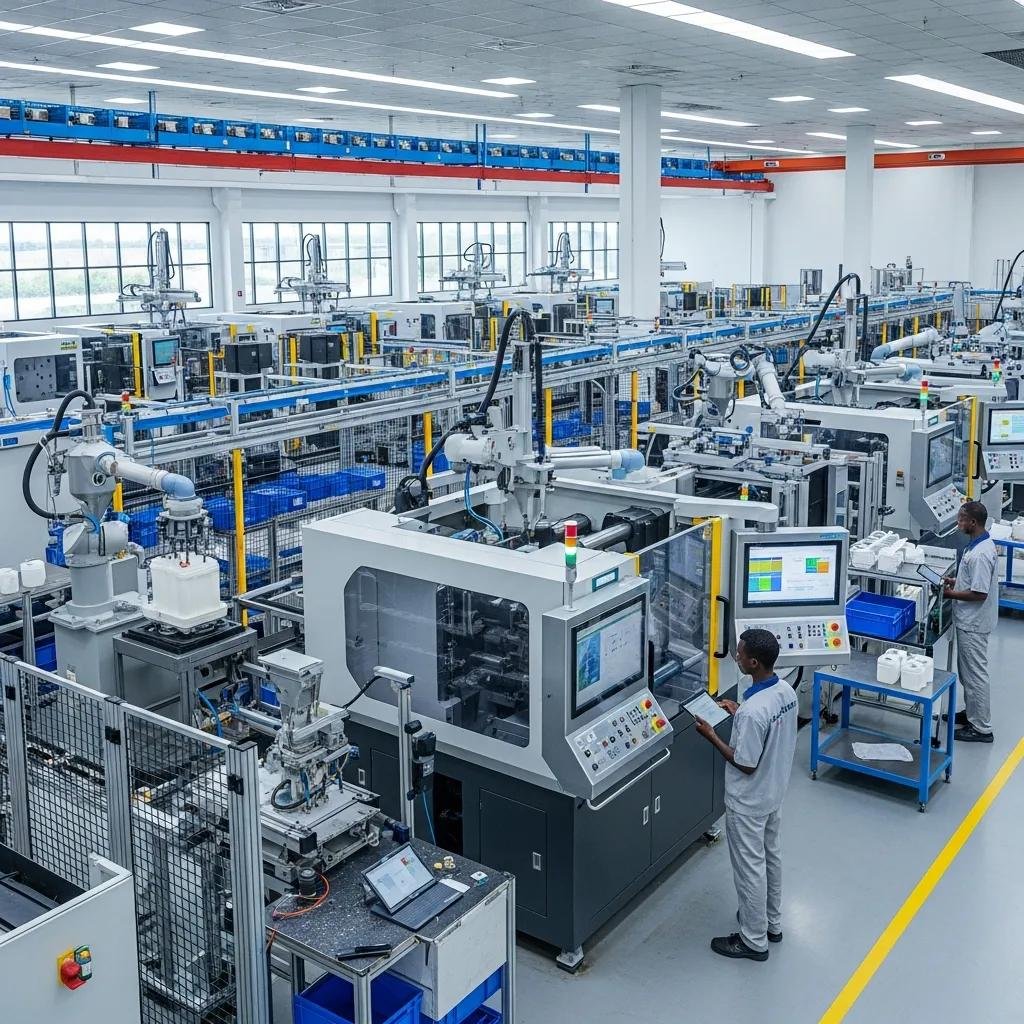
The integration of automation and Industry 4.0 technologies is transforming plastic production, including in Nigeria. This article explores how these advancements enhance efficiency, reduce waste, and improve product quality in the manufacturing sector. Readers will gain insights into the key technologies driving this transformation and the specific benefits they offer to manufacturers. As the industry faces challenges such as rising costs and environmental concerns, automation presents a viable solution to streamline operations and boost competitiveness. We will delve into the role of smart factories, automated machinery, and the impact of IoT and AI technologies on plastic production processes.
Industry 4.0 represents the fourth industrial revolution, characterized by the integration of digital technologies into manufacturing processes. This transformation enhances operational efficiency, product quality, and flexibility in production. By leveraging advanced technologies such as the Internet of Things (IoT), artificial intelligence (AI), and big data analytics, manufacturers can optimize their operations and respond swiftly to market demands. The result is a more agile and responsive production environment that can reduce lead times and operational costs.
Several key technologies define Industry 4.0 in plastics manufacturing, including:
These technologies collectively contribute to a more efficient and responsive manufacturing environment.
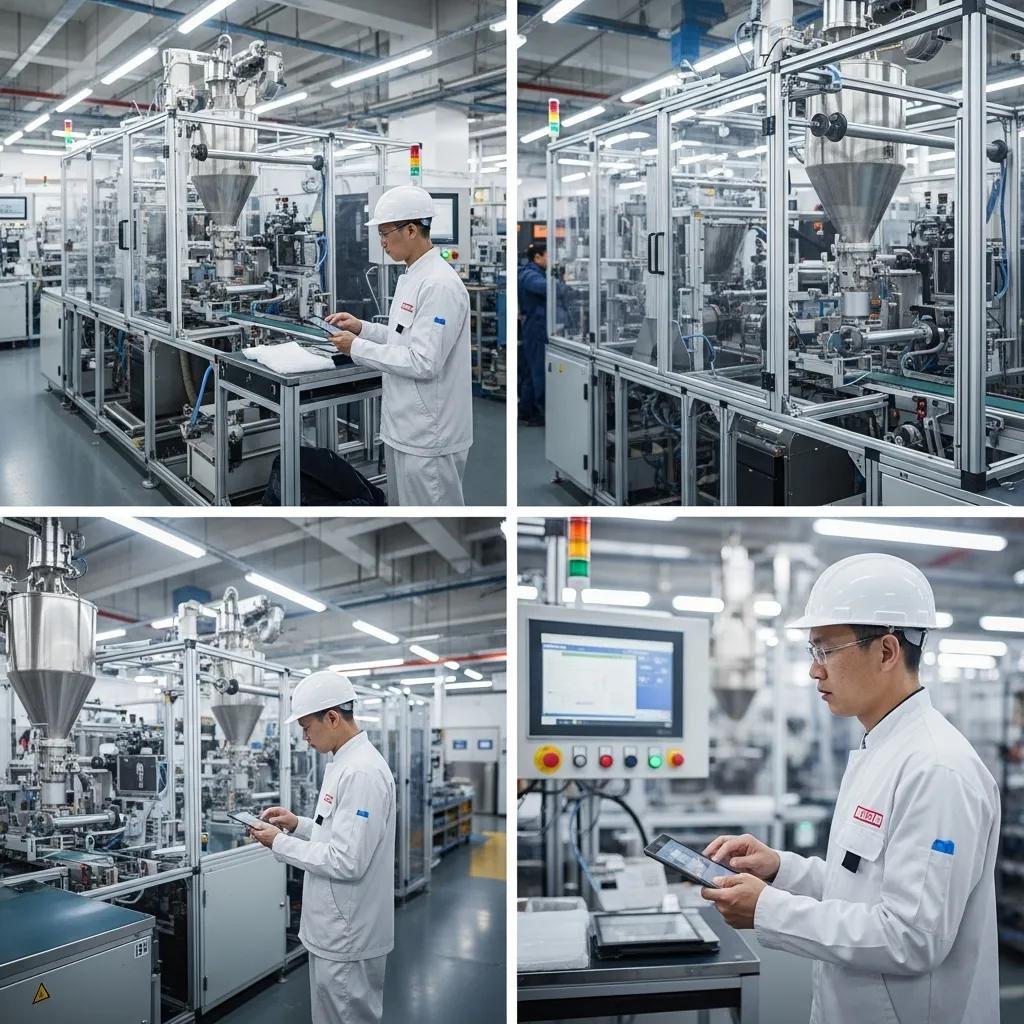
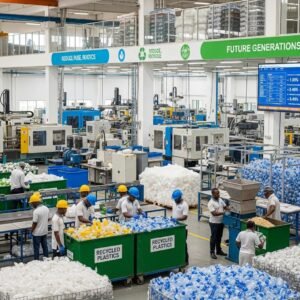
Smart factories utilize interconnected systems and real-time data to optimize production processes. For instance, they employ sensors to monitor machinery performance and product quality continuously. This real-time monitoring allows for immediate corrective actions, minimizing defects and waste. Additionally, data analytics tools provide insights into production trends, enabling manufacturers to adjust their operations proactively. As a result, smart factories can achieve higher efficiency and lower operational costs, making them a crucial component of modern plastic production.
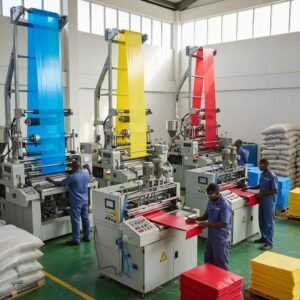
Automated blown film extrusion machines play a pivotal role in enhancing plastic film production by improving efficiency and product quality. These machines utilize advanced control systems to ensure precise processing conditions, resulting in consistent film quality. Furthermore, automation reduces the need for manual intervention, minimizing human error and increasing production speed.
These features make 5-layer co-extrusion machines essential for manufacturers aiming to produce high-quality plastic films.
Real-time quality monitoring systems are integral to improving blown film extrusion efficiency. By continuously assessing film properties during production, manufacturers can identify deviations from quality standards immediately. This proactive approach allows for quick adjustments to processing parameters, reducing waste and ensuring that the final product meets specifications. Case studies have shown that implementing real-time monitoring can lead to significant reductions in defect rates and production costs.
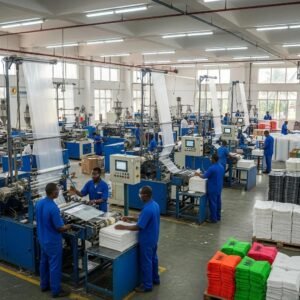
Automation in plastic bag making processes significantly enhances production precision and efficiency. Automated machines streamline various stages of production, from material handling to sealing and cutting, ensuring consistent quality and faster turnaround times.
Automatic T-shirt bag making machines utilize advanced technology to enhance production precision. These machines are designed to handle various materials and produce bags with consistent dimensions. The automation of cutting and sealing processes minimizes human error, resulting in higher quality products. Additionally, these machines can operate at higher speeds, increasing overall production capacity.
Servo motor controls are crucial in plastic bag sealing and cutting processes. They provide precise control over the speed and force applied during these operations, ensuring consistent results. The use of servo motors enhances the efficiency of the sealing process, reducing energy consumption and increasing production speed. This technology not only improves product quality but also contributes to lower operational costs.
Industry 4.0 technologies are increasingly being applied in plastic recycling automation, enhancing the efficiency and effectiveness of recycling processes. Automation in recycling facilities allows for better sorting, processing, and repurposing of plastic materials.
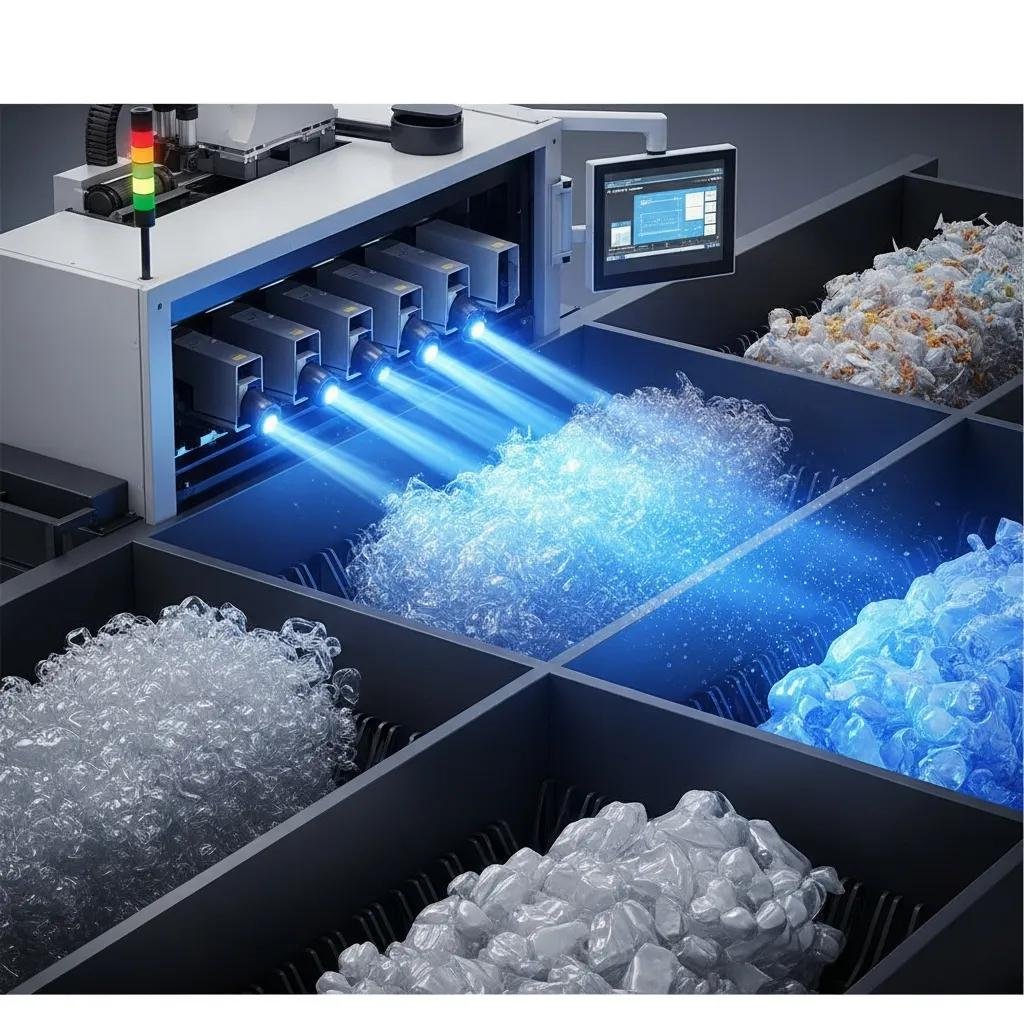
AI-powered sorting technologies utilize machine learning algorithms and optical sensors to identify and separate different types of plastics efficiently. These systems can analyze the composition of waste materials in real-time, ensuring that recyclables are sorted accurately. This optimization leads to higher recycling rates and reduced contamination in recycled materials, ultimately supporting sustainability efforts in the plastic industry.
Energy-efficient plastic pelletizing machines play a vital role in reducing the environmental impact of plastic recycling. By utilizing advanced motor technologies and optimized process controls, these machines consume less energy during the pelletizing process, leading to lower carbon emissions. Additionally, they are designed to maximize material recovery, ensuring that more plastic waste is repurposed into new products. This efficiency not only benefits the environment but also enhances the economic viability of recycling operations.
IoT and AI technologies are at the forefront of driving digital transformation in plastics manufacturing. These technologies enable manufacturers to collect and analyze vast amounts of data, leading to improved decision-making and operational efficiency.
IoT sensors provide numerous benefits for monitoring plastic extrusion processes. They enable real-time data collection on temperature, pressure, and material flow, allowing manufacturers to optimize production conditions. This data-driven approach leads to enhanced product quality and reduced waste, as adjustments can be made promptly based on sensor feedback.
AI enhances defect detection and predictive maintenance in plastic production by analyzing historical data to identify patterns and anomalies. Machine learning algorithms can predict when equipment is likely to fail, allowing for timely maintenance interventions. This proactive approach minimizes downtime and ensures that production processes run smoothly, ultimately improving overall efficiency.
Adopting Industry 4.0 automation in Nigerian plastic factories offers several benefits, including increased efficiency, reduced waste, and improved product quality. However, manufacturers also face challenges in implementing these technologies.
Automation can significantly reduce waste in Nigerian plastic manufacturing by streamlining processes and minimizing human error. Automated systems can optimize material usage, ensuring that resources are utilized effectively. Additionally, real-time monitoring allows for immediate adjustments to production parameters, further reducing waste and enhancing efficiency.
Addressing these considerations is crucial for successful implementation and maximizing the benefits of automation in the plastic manufacturing sector.
| Technology | Application | Benefit |
|---|---|---|
| IoT | Real-time monitoring | Enhanced efficiency and quality |
| AI | Predictive maintenance | Reduced downtime and costs |
| Automation | Streamlined processes | Increased production speed |
The integration of these technologies demonstrates how Industry 4.0 can transform plastic production, making it more efficient and sustainable.
In conclusion, the adoption of automation and Industry 4.0 technologies in plastic production presents a significant opportunity for Nigerian manufacturers. By leveraging these advancements, companies can enhance their operational efficiency, reduce waste, and improve product quality, positioning themselves competitively in the global market.
Plastic Machine Deli
Comprehensive Guide
Plastic Machine Succ
Find Plastic Machine