
Plastic Machine Delivery and Logistics to Nigeria
Plastic Machine Deli
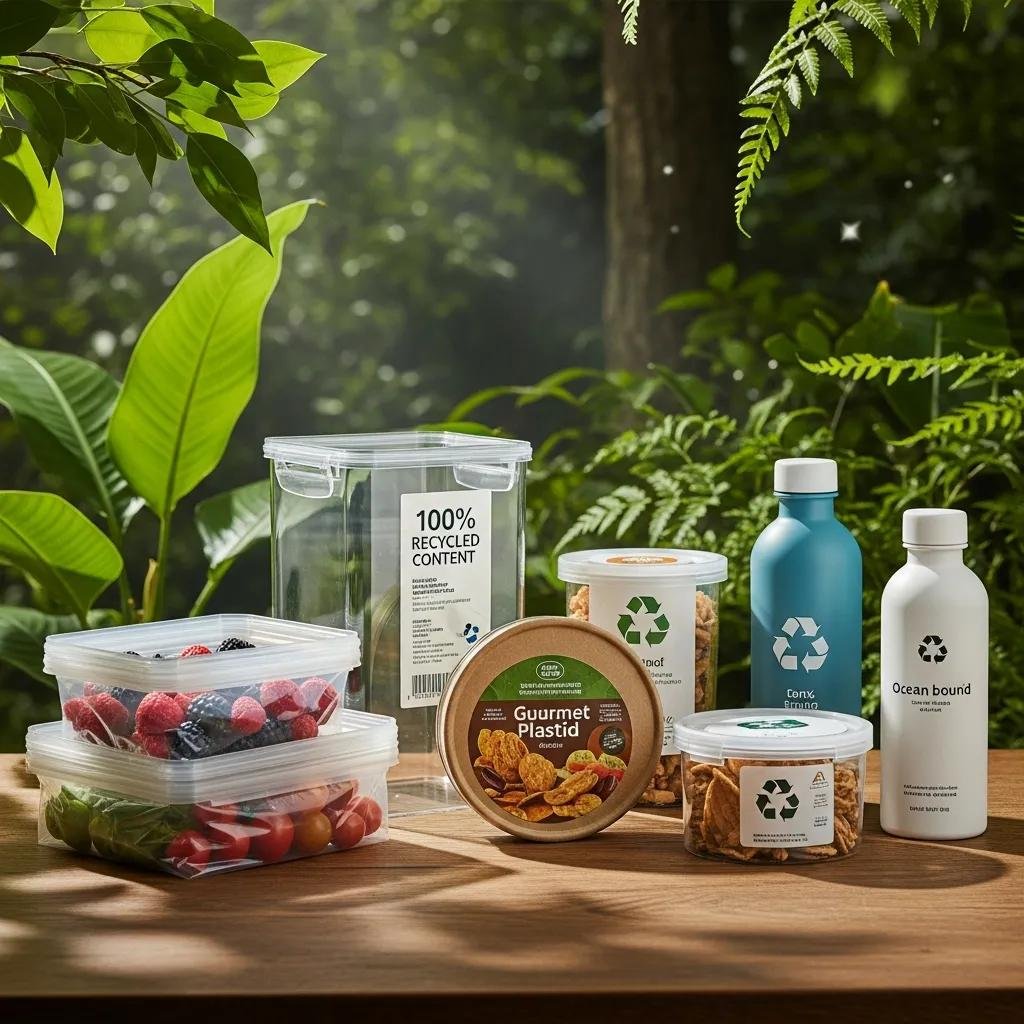
The plastic packaging industry is undergoing a significant transformation as sustainability becomes a central focus for manufacturers and consumers alike. This article explores the future trends shaping the plastic packaging landscape, emphasizing innovations that prioritize environmental responsibility. Readers will gain insights into how sustainability, technological advancements, and regulatory frameworks are influencing the industry. As the demand for eco-friendly solutions grows, understanding these trends is crucial for stakeholders in the packaging sector. This article will cover key global trends, the impact of technology, regulatory influences, market evolution in Nigeria and Africa, and how China Evergreen Machinery Co., Ltd. supports sustainable packaging initiatives.
The plastic packaging industry is evolving rapidly, driven by several key global trends that prioritize sustainability and innovation. These trends include the increasing demand for eco-friendly materials, advancements in technology, and the influence of regulatory frameworks. As consumers become more environmentally conscious, manufacturers are compelled to adapt their practices to meet these expectations.
Sustainability is at the forefront of the circular economy, which emphasizes reducing waste and promoting the reuse of materials. In the plastic packaging sector, this translates to designing products that can be recycled or repurposed. Companies are increasingly adopting practices such as using recycled materials in production and creating packaging that is easier to recycle. This shift not only reduces environmental impact but also aligns with consumer preferences for sustainable products.

Biodegradable and compostable materials are becoming essential components of packaging innovation. These materials break down more easily in the environment compared to traditional plastics, reducing pollution and landfill waste. Innovations in bioplastics, derived from renewable resources, are gaining traction as manufacturers seek to create packaging solutions that are both functional and environmentally friendly. The market for these materials is expected to grow significantly as consumers demand more sustainable options.
Technological advancements are revolutionizing the plastic packaging industry, enabling manufacturers to create more efficient and sustainable solutions. Innovations such as smart packaging and lightweighting are enhancing the functionality and environmental performance of packaging products.

Smart packaging integrates technology to enhance user experience and product safety. By incorporating sensors and IoT capabilities, manufacturers can provide real-time information about product freshness and safety. This technology not only improves consumer engagement but also reduces food waste by ensuring products are consumed before they spoil. The integration of smart packaging is expected to become increasingly common in the industry, driving further innovation.
Lightweighting involves reducing the amount of material used in packaging without compromising strength or functionality. This practice leads to significant cost savings in production and transportation, as lighter packages require less energy to transport. Additionally, lightweighting contributes to sustainability by decreasing the overall material footprint of packaging products. As manufacturers strive for efficiency, lightweighting will play a crucial role in the future of plastic packaging.
Regulatory frameworks are increasingly shaping the plastic packaging landscape, influencing how products are designed and produced. Governments worldwide are implementing stricter regulations aimed at reducing plastic waste and promoting sustainable practices.
Extended Producer Responsibility (EPR) mandates that manufacturers take responsibility for the entire lifecycle of their products, including post-consumer waste. This approach encourages companies to design packaging that is easier to recycle and reduces waste. By integrating EPR principles, manufacturers are incentivized to innovate and create sustainable packaging solutions that align with regulatory requirements.
In Nigeria, regulations addressing the environmental impact of plastic packaging are evolving, with increasing focus on reducing plastic waste through initiatives that promote recycling and the use of sustainable materials. The Nigerian government and various stakeholders have introduced policies and campaigns aimed at curbing plastic pollution, including bans on single-use plastics in some states. As these regulations develop, local manufacturers will need to adapt their practices to comply with new standards, presenting both challenges and opportunities for growth in the market.
The plastic packaging market in Nigeria and Africa is experiencing significant growth, driven by increasing demand for packaged goods and a shift towards sustainable practices. As the market evolves, local manufacturers are presented with unique opportunities to innovate and expand their offerings.
Nigerian manufacturers are poised for growth as the demand for sustainable packaging solutions rises. With a growing population and increasing urbanization, the need for efficient packaging is more critical than ever. Manufacturers who invest in sustainable practices and technologies will likely capture a larger share of the market, positioning themselves as leaders in the industry.
Global trends in sustainability and innovation are influencing local practices in Nigeria and Africa. As international companies adopt eco-friendly packaging solutions, local manufacturers are encouraged to follow suit. This alignment with global standards not only enhances competitiveness but also meets the expectations of increasingly environmentally conscious consumers.
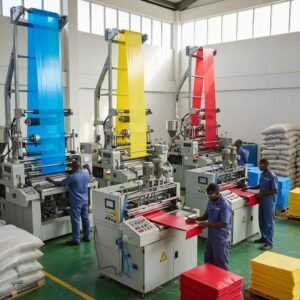
China Evergreen Machinery Co., Ltd., operating as Kingdom Machinery, plays a vital role in supporting sustainable packaging initiatives in Nigeria. The company specializes in manufacturing equipment for plastic film and bag production, emphasizing efficiency and sustainability.
Advanced blown film extrusion machines from China Evergreen Machinery Co., Ltd. are designed to accommodate biodegradable materials, enabling manufacturers to produce eco-friendly packaging solutions. These machines offer precise control over the extrusion process, ensuring high-quality film production that meets the demands of sustainable packaging.
Plastic bag making machines provided by China Evergreen Machinery Co., Ltd. facilitate the production of bags using recycled and biodegradable materials. By investing in such technology, manufacturers can reduce their environmental impact while meeting consumer demand for sustainable packaging options. This commitment to eco-friendly production aligns with the broader trends in the plastic packaging industry.
To remain competitive in the evolving plastic packaging landscape, manufacturers must adopt strategies that prioritize sustainability and innovation. This includes integrating circular economy principles and embracing new technologies.
Integrating circular economy principles involves designing products for longevity, reuse, and recyclability. Manufacturers can implement practices such as using recycled materials in production and creating take-back programs for used packaging. By adopting these strategies, companies can reduce waste and enhance their sustainability profile.
Best practices for adopting sustainable plastic packaging technologies include investing in research and development, collaborating with suppliers to source eco-friendly materials, and educating consumers about the benefits of sustainable packaging. By prioritizing these practices, manufacturers can position themselves as leaders in the sustainable packaging movement, ensuring long-term success in the industry.
Plastic Machine Deli
Comprehensive Guide
Plastic Machine Succ
Find Plastic Machine